Category: Affiliate Marketing Strategies

  • 15 Ways to Increase Affiliate Sales for Online Store

    15 Ways to Increase Affiliate Sales for Online Store

    Your affiliate program isn’t converting because most online stores treat it like a side project. You give affiliates a generic link, a basic commission rate, and expect them to figure out the rest. Meanwhile, your competitors are building dedicated landing pages, automating payouts, and matching affiliates to specific products. The difference shows in revenue. Stores that actively optimize their affiliate strategy see 40-60% higher conversion rates compared to those running passive programs. This guide covers 15 specific ways to increase affiliate sales for your online store, from content optimization to technical tracking improvements.

    Person working on a laptop with analytics in a cozy home office setting, coffee in hand.

    1. Create High-Quality Product Content That Converts Browsers to Buyers

    Your affiliates can drive traffic, but poor product content kills conversions. Start with detailed product descriptions that answer specific questions buyers ask before purchasing. Include measurements, materials, use cases, and compatibility details. Add high-resolution images from multiple angles, including lifestyle shots that show the product in use.

    Video content increases conversion rates by 80% according to recent e-commerce studies. Create 60-90 second product demos showing key features and benefits. Your affiliates will use this content in their promotions, and it gives them confidence they’re recommending quality products.

    • Write product descriptions between 300-500 words with specific details
    • Include at least 5-7 high-quality images per product
    • Add video demonstrations for products over $50
    • Create comparison charts for products with similar features
    • Update content quarterly based on customer questions and reviews

    Key takeaway: Affiliates promote products they trust. Better content means more confident affiliates and higher conversion rates on the traffic they send.

    A professional studio scene with a man preparing packages under studio lighting, showcasing a modern photography setup.

    2. Build Dedicated Landing Pages for Affiliate Traffic

    Generic homepage links waste affiliate traffic. Create dedicated landing pages for affiliate visitors that match the context of where they came from. If an affiliate promotes your running shoes on a fitness blog, send traffic to a landing page focused on athletic performance, not your general shoe collection.

    These pages should remove navigation distractions, focus on a single call-to-action, and include social proof specific to the product category. Test different layouts, but most high-converting affiliate landing pages follow a simple structure: hero image, benefit-focused headline, 3-5 key features, customer testimonials, and a prominent buy button.

    • Create separate landing pages for different product categories
    • Match page messaging to the affiliate’s audience and content style
    • Remove header navigation and sidebar links that create exit points
    • Add urgency elements like limited stock notices or time-sensitive discounts
    • Test page variations every 2-3 weeks to improve conversion rates

    Platforms like Affiliate Aura let you create branded short links that direct to specific landing pages while maintaining clean tracking across all your affiliate partners.

    A tidy desk setting with a laptop showing a stock photo website and a smartphone.

    3. Optimize Product Pages for Search Engine Visibility

    Affiliates send traffic, but SEO brings sustained visibility. Your product pages need to rank for specific keywords buyers use when searching. Research long-tail keywords like “waterproof hiking boots for wide feet” instead of just “hiking boots.” These specific terms have less competition and higher purchase intent.

    Add keywords naturally to your product titles, descriptions, image alt text, and URL structures. But write for humans first. Google’s algorithm in 2026 prioritizes helpful content over keyword density. Include schema markup for products, reviews, and pricing to enhance your search listings with rich snippets.

    • Use keyword research tools to find terms with 100-1000 monthly searches
    • Include primary keywords in the first 100 words of product descriptions
    • Add structured data markup for products, prices, and availability
    • Optimize page load speed to under 2.5 seconds
    • Build internal links between related products and category pages

    Key takeaway: Better SEO means your affiliates’ content ranks higher too, creating a multiplier effect on traffic and sales.

    Person using a laptop in a cozy café, highlighting remote work lifestyle with a coffee cup on the table.

    4. Leverage Customer Reviews and Social Proof Strategically

    Buyers trust other buyers more than marketing copy. Display customer reviews prominently on product pages, but go beyond basic star ratings. Show detailed reviews that mention specific use cases, include customer photos, and address common concerns. Products with 50+ reviews convert 4.6 times better than products with no reviews.

    According to a 2026 study by BrightLocal, 89% of consumers read reviews before making a purchase decision, and products with reviews see an average conversion rate increase of 270% compared to those without.

    Create a systematic review collection process. Send automated emails 7-10 days after delivery asking for feedback. Offer small incentives like discount codes for future purchases. Display review counts and average ratings in your affiliate product feeds so affiliates can promote your best-reviewed items.

    • Send review requests automatically one week after delivery
    • Display photo reviews prominently near the buy button
    • Show total review count in product titles on category pages
    • Address negative reviews publicly with solutions
    • Create a “top-rated products” section affiliates can easily promote
    A focused man with glasses using a smartphone indoors next to a brick wall.

    5. Offer Competitive Commission Rates That Motivate Affiliates

    Your commission structure determines which affiliates promote your products. Research competitor rates in your niche. Fashion and beauty typically offer 10-20%, electronics 2-5%, and digital products 30-50%. Match or exceed these rates for your top performers.

    Consider tiered commissions that increase with performance. An affiliate who generates 10 sales monthly might earn 10%, while someone driving 50+ sales gets 15%. This rewards your best partners and motivates others to increase their efforts. Automating commission payments removes delays that frustrate affiliates and hurt retention.

    • Set base commissions at or above industry averages for your category
    • Create performance tiers that reward high-volume affiliates
    • Offer higher rates on new products you want to promote
    • Provide bonus commissions during seasonal campaigns
    • Pay commissions quickly, ideally within 7-14 days

    Key takeaway: Top affiliates choose programs that pay well and pay fast. Competitive rates attract better partners who drive more sales.

    Close-up of an elderly woman holding a pen with a financial report.

    6. Provide Affiliates With Ready-to-Use Promotional Assets

    Make promotion easy. Create a resource library with banner images, product photos, email templates, and social media posts affiliates can customize. Include multiple sizes for each asset (square for Instagram, vertical for Pinterest, horizontal for blogs). Update this library monthly with seasonal content and new product launches.

    Write sample product descriptions and key talking points affiliates can adapt to their voice. Many affiliates want to promote your products but don’t have time to create everything from scratch. The easier you make it, the more they’ll promote.

    • Design banner ads in standard sizes (728×90, 300×250, 160×600)
    • Create social media templates for Instagram, Facebook, and Pinterest
    • Write email swipe copy affiliates can personalize
    • Provide product comparison charts and feature lists
    • Update promotional assets monthly with fresh designs

    Platforms like Affiliate Aura centralize these resources in an affiliate dashboard, making it simple for partners to grab what they need and start promoting immediately.

    7. Segment Affiliates by Audience and Assign Relevant Products

    Not every affiliate should promote every product. A fitness influencer won’t convert well promoting kitchen gadgets. Segment your affiliates by niche, audience size, and content type. Then match them with products their audience actually wants.

    Create affiliate groups: content creators (bloggers, YouTubers), social influencers (Instagram, TikTok), deal sites (coupon and comparison platforms), and email marketers. Each group needs different support, commission structures, and promotional materials. Track performance by segment to identify which types of affiliates drive the best ROI.

    • Tag affiliates by niche when they join your program
    • Send targeted product recommendations based on their audience
    • Create exclusive offers for specific affiliate segments
    • Provide segment-specific promotional guidelines
    • Track conversion rates by affiliate type to optimize recruitment

    AI-powered platforms can automate this matching process. Affiliate Aura uses intelligent matching to connect merchants with affiliates whose audience demographics align with product categories, improving conversion rates by 30-40%.

    8. Set Up Automated Email Funnels for Affiliate Product Recommendations

    Most online stores focus on direct email marketing but ignore affiliate-driven email strategies. Create automated email sequences specifically for customers who arrive through affiliate links. These visitors already showed interest by clicking through, so nurture them with targeted follow-ups.

    Build a three-email sequence: First email within 2 hours highlighting the product they viewed with customer reviews. Second email after 24 hours showing related products and a limited-time discount. Third email after 3 days featuring social proof and addressing common objections. This sequence recovers 15-25% of abandoned carts from affiliate traffic.

    • Trigger emails based on affiliate link clicks and page views
    • Personalize content based on products viewed
    • Include affiliate attribution in email tracking
    • Test different timing intervals (2 hours vs 4 hours for first email)
    • Credit affiliates for sales from their referred email subscribers

    Key takeaway: Affiliate traffic is warm traffic. Automated email funnels convert more of these visitors into buyers without additional affiliate effort.

    9. Use Paid Advertising to Amplify Top Affiliate Content

    Find your best-performing affiliate content and boost it with paid ads. If an affiliate’s blog post or video is converting well organically, invest $200-500 in Facebook or Google ads to drive more traffic to it. You pay for the ads, the affiliate gets more visitors, and you get more sales with attribution intact.

    This strategy works especially well for seasonal campaigns or new product launches. Coordinate with 3-5 top affiliates to create launch content, then use paid promotion to accelerate reach. Track the full funnel: ad spend, affiliate click-through rates, and final conversion rates to calculate true ROI.

    • Identify affiliate content with conversion rates above 3%
    • Run retargeting ads to visitors who clicked affiliate links but didn’t buy
    • Create lookalike audiences based on affiliate-referred customers
    • Set daily budgets of $20-50 per campaign to test performance
    • Share performance data with affiliates to improve future content

    Coordinate this with proper tracking. Accurate affiliate link tracking ensures you can measure which paid campaigns drive the best results through each partner.

    10. Create Exclusive Discount Codes for Individual Affiliates

    Unique discount codes serve two purposes: they incentivize purchases and provide clear attribution. Give each affiliate a personalized code they can share with their audience. Make codes memorable and relevant to the affiliate’s brand (like “FITNESSJOE15” for a fitness influencer named Joe).

    Track code usage to identify which affiliates drive the most conversions. This data helps you allocate resources, adjust commission rates, and recruit similar affiliates. Codes also create urgency when you make them time-limited (valid for 7-14 days) or usage-limited (first 100 customers).

    • Generate unique codes for each active affiliate
    • Make codes easy to remember and type (avoid complex strings)
    • Set expiration dates to create urgency
    • Track code usage separately from link clicks for complete attribution
    • Offer slightly higher discounts (15% vs 10%) for top-performing affiliates

    Key takeaway: Discount codes give affiliates a compelling offer to promote and give you precise data on who’s driving sales.

    11. Implement Real-Time Performance Tracking and Transparent Reporting

    Affiliates promote more when they can see results immediately. Delayed reporting (updated once daily or weekly) reduces engagement and trust. Implement real-time tracking that shows clicks, conversions, and earnings as they happen. This transparency builds confidence and motivates affiliates to optimize their campaigns.

    Your dashboard should display: total clicks, conversion rate, earnings this month, pending commissions, and top-performing products. Add comparison features so affiliates can see how their performance trends over time. The more data you provide, the better affiliates can refine their promotional strategies.

    • Show click and conversion data in real-time (updated within 5 minutes)
    • Display earnings by day, week, and month with trend graphs
    • Provide product-level performance data so affiliates know what converts
    • Send weekly performance summaries via email
    • Create leaderboards to encourage friendly competition among affiliates

    Modern platforms like Affiliate Aura offer real-time tracking dashboards that update instantly, giving both merchants and affiliates complete visibility into campaign performance.

    12. Build Relationships With Your Top-Performing Affiliates

    Your top 20% of affiliates typically drive 80% of sales. Treat them like business partners, not just marketing channels. Schedule monthly calls to discuss what’s working, share upcoming product launches, and ask for feedback on your program. Personal attention increases loyalty and performance.

    Offer exclusive benefits to top performers: higher commission rates, early access to new products, custom landing pages, or dedicated support. Send personalized thank-you notes or small gifts when they hit major milestones. These relationships differentiate your program from competitors who treat affiliates as anonymous traffic sources.

    • Identify your top 10 affiliates by revenue each quarter
    • Schedule 30-minute strategy calls monthly or quarterly
    • Give early access to new products 2-3 weeks before public launch
    • Create custom promotional materials for their specific audience
    • Respond to their questions within 24 hours

    Key takeaway: Personal relationships create affiliate loyalty. Loyal affiliates promote your products consistently instead of switching to competitors.

    13. Optimize Your Checkout Process to Reduce Cart Abandonment

    Affiliates send traffic, but a broken checkout process wastes it. The average cart abandonment rate is 70%. Reduce friction at every step. Offer guest checkout (don’t force account creation), display security badges, show total costs upfront including shipping, and provide multiple payment options.

    Test your checkout flow monthly. Remove unnecessary form fields (you don’t need a phone number for digital products), add progress indicators showing how many steps remain, and enable autofill for addresses and payment details. Every field you remove increases completion rates by 5-10%.

    • Enable guest checkout without required account creation
    • Display total costs including shipping before the payment page
    • Accept multiple payment methods (credit cards, PayPal, digital wallets)
    • Add trust badges near the payment button
    • Send cart abandonment emails within 1 hour with a recovery discount

    Track checkout completion rates specifically for affiliate traffic. If affiliates send quality visitors but conversions are low, the problem is likely your checkout flow, not their promotional strategy.

    14. Recruit Affiliates Strategically in Your Niche

    Don’t wait for affiliates to find you. Actively recruit creators and influencers whose audience matches your ideal customer. Search for content creators already reviewing products in your category. They’re producing relevant content and have engaged audiences interested in what you sell.

    Reach out with personalized messages explaining why your products fit their audience. Mention specific content they’ve created and how your products complement it. Offer a trial period with a higher commission rate (20% instead of 15% for the first 90 days) to incentivize them to test your program.

    • Search YouTube, Instagram, and blogs for creators in your product category
    • Compile a list of 50-100 potential affiliates with engaged audiences
    • Send personalized outreach mentioning their specific content
    • Offer starter bonuses or higher trial commissions
    • Follow up 2-3 times if they don’t respond initially

    If you’re unsure where to start, read this guide on how to find affiliates for your ecommerce business for specific recruitment strategies and platforms.

    15. Test and Optimize Your Affiliate Program Continuously

    Your affiliate program needs constant refinement. Test different commission structures (10% flat vs 8% plus $5 per sale), promotional materials (video vs static images), and landing page designs. Run A/B tests on one variable at a time for 2-4 weeks to gather meaningful data.

    Survey your affiliates quarterly. Ask what’s working, what’s frustrating, and what would help them promote more effectively. Many merchants never ask for feedback and miss simple improvements that could double performance. Track metrics like affiliate retention rate, average revenue per affiliate, and cost per acquisition to measure program health.

    • Test commission structures every quarter with a small affiliate group
    • A/B test landing pages specifically for affiliate traffic
    • Survey affiliates about program satisfaction and improvement ideas
    • Track affiliate retention rates (how many stay active after 90 days)
    • Calculate customer lifetime value from affiliate-referred buyers

    Use tools that make optimization easier. Managing affiliates effectively requires platforms that centralize tracking, communication, and payment processing so you can focus on strategy instead of administrative tasks.

    Frequently Asked Questions

    How can beginners increase affiliate sales for online stores?

    Start by creating high-quality product content with detailed descriptions, multiple images, and customer reviews. Then recruit 5-10 affiliates who already create content in your niche and provide them with ready-to-use promotional materials like banner images and email templates. Focus on building relationships with these initial affiliates and optimizing your commission structure to match or exceed competitors. Most beginners see their first consistent sales within 60-90 days of launching a properly structured program.

    What are the best affiliate programs for online stores in 2026?

    The best programs depend on your product category, but look for platforms offering real-time tracking, instant or weekly payouts, and transparent reporting. Programs like Affiliate Aura provide AI-powered matching between merchants and affiliates, real-time analytics, and automated commission payments. Amazon Associates remains popular for beginners due to its wide product selection, while ShareASale and CJ Affiliate work well for established stores seeking access to experienced affiliate marketers. Choose programs that align with your niche and offer competitive commission rates for your product category.

    How can you promote affiliate products without having a website?

    Use social media platforms like Instagram, TikTok, YouTube, or Pinterest to share product reviews and recommendations with affiliate links in your bio or video descriptions. Create an email newsletter using platforms like Substack or ConvertKit where you share product recommendations with subscribers. Join relevant online communities, forums, or Facebook groups where you can provide helpful advice and include affiliate links when appropriate. Many successful affiliates in 2026 operate primarily through social media and email without maintaining a traditional website.

    What are the most effective ways to increase affiliate sales for online stores?

    The most effective ways to increase affiliate sales for online stores include creating dedicated landing pages for affiliate traffic, offering competitive commission rates with instant payouts, providing affiliates with ready-to-use promotional assets, and implementing real-time performance tracking. Build personal relationships with your top 20% of affiliates who typically drive 80% of sales, and continuously optimize your checkout process to reduce cart abandonment. Stores that combine these strategies see 40-60% higher conversion rates compared to those running passive affiliate programs.

    How long does it take to see results from an affiliate program?

    Most online stores see their first affiliate sales within 30-45 days of launching a program, but building consistent revenue takes 3-6 months. The timeline depends on how actively you recruit affiliates, the quality of your promotional materials, and your commission structure. Stores that invest time in recruiting 20-30 quality affiliates in their first 90 days typically reach $2,000-5,000 in monthly affiliate-driven revenue by month six. Programs left on autopilot without active management rarely generate significant results even after a year.

    What commission rates should online stores offer affiliates?

    Commission rates vary by industry: fashion and beauty typically offer 10-20%, electronics 2-5%, home goods 5-10%, and digital products 30-50%. Research your competitors’ rates and match or exceed them by 2-3% to attract quality affiliates. Consider tiered structures where affiliates earn higher percentages as they drive more sales (10% for 1-10 sales monthly, 15% for 11-50 sales, 20% for 50+ sales). Top-performing affiliates often negotiate custom rates, so build flexibility into your program structure.

    How do you track affiliate sales accurately across multiple channels?

    Use dedicated affiliate tracking software that assigns unique tracking IDs to each affiliate’s links and monitors conversions across all traffic sources. Modern platforms use first-party cookies, server-side tracking, and cross-device attribution to maintain accuracy even with browser privacy restrictions in 2026. Combine link tracking with unique discount codes for each affiliate to create redundant attribution methods. Platforms like Affiliate Aura offer real-time tracking that updates within minutes, showing exactly which affiliates drive clicks, conversions, and revenue across web, mobile, and social media channels.

    Ready to Get Started?

    Growing affiliate sales requires the right combination of strategy and tools. You need quality affiliates, compelling offers, optimized landing pages, and accurate tracking to measure what works. But managing all these elements manually takes hours each week and creates delays that frustrate your best partners.

    Affiliate Aura handles the technical complexity so you can focus on building relationships and optimizing performance. The platform connects you with affiliates whose audiences match your products, tracks every click and conversion in real-time, and processes commission payments instantly when affiliates hit milestones. No more manual spreadsheets, delayed reports, or payment processing headaches.

    Create your free account at Affiliate Aura and start building an affiliate program that actually drives sales. Set up your first campaign in under 10 minutes, invite affiliates, and watch real-time performance data as your program grows.

  • How to Find Affiliates for Ecommerce Business in 2026

    How to Find Affiliates for Ecommerce Business in 2026

    Finding the right affiliates for your ecommerce business starts with three steps. First, define your ideal affiliate profile based on audience demographics and content format. Second, search strategically across Google, Instagram, YouTube, and TikTok using niche-specific keywords. Third, evaluate quality using engagement rates and audience signals before outreach. Most ecommerce brands struggle to find affiliates who actually drive sales, not just traffic. You can spend weeks cold-emailing influencers only to hear nothing back, or you might attract dozens of low-quality affiliates who generate clicks but zero conversions. The difference between a profitable affiliate program and a time sink comes down to how you recruit. In 2026, the best ecommerce brands use a system: they define their ideal affiliate profile first, search strategically across multiple channels, evaluate quality using audience signals, and automate outreach follow-ups at scale. This guide walks you through each step with specific timelines, outreach templates, and conversion-focused tactics that work right now.

    A businessman working in an online store packing shoes in a cardboard box.

    Define Your Ideal Affiliate Profile Before You Search

    Start by writing down exactly who you want promoting your products. Most brands skip this step and waste hours reaching out to affiliates who will never convert their audience. Your ideal affiliate profile should include three things: audience demographics that match your customer base, content format that fits your product type, and engagement rates that signal real influence.

    If you sell premium skincare, you want beauty bloggers and Instagram creators whose followers are women aged 25 to 45 with disposable income. If you sell budget tech accessories, you need YouTube reviewers and deal-focused bloggers whose audiences actively search for discounts. Write down the platforms your ideal customer uses, the content types they trust (video reviews, blog tutorials, Instagram stories), and the minimum engagement rate you’ll accept (typically 2 to 5 percent for micro-influencers).

    Include commission expectations in your profile. Affiliates promoting physical products typically expect 5 to 15 percent commissions, while digital products can support 20 to 50 percent. Research three competitor programs to benchmark your offer before you start outreach. This profile becomes your filter: if an affiliate doesn’t match at least 80 percent of your criteria, skip them and move to the next prospect.

    Businesswoman writes notes at outdoor table with laptop and coffee, multitasking efficiently.

    How to Find Affiliates for Ecommerce Business Using Google and Social Media

    Use specific search queries to find affiliates already promoting products in your niche. Start with Google searches like “best [product category] 2026” or “[niche] affiliate programs” to surface review sites, comparison blogs, and affiliate-focused content creators. Look for pages with affiliate disclosures, Amazon Associate links, or commission-based reviews. These creators already monetize their audience and understand affiliate marketing.

    On Instagram, search hashtags like #[niche]affiliate, #[product]review, or #ad combined with your product category. Check the creator’s bio for link-in-bio tools like Linktree or Beacons, which often indicate they run multiple affiliate partnerships. On YouTube, search “[product type] review” or “best [category]” and filter by upload date to find active creators. Check their video descriptions for affiliate links and commission disclosures.

    TikTok has become a major affiliate channel in 2026. Search your product category and look for creators using the TikTok Shop affiliate program or linking to external storefronts. Micro-influencers with 10,000 to 100,000 followers often deliver better ROI than mega-influencers because their audiences trust their recommendations more. Platforms like Affiliate Aura automate this discovery process by matching your product catalog with affiliates already active in your niche, saving you 10 to 15 hours per week on manual searches.

    • Google: “[niche] + affiliate program”, “best [product] 2026”, “[category] review blog”
    • Instagram: #[niche]affiliate, #sponsored, check bio links and Story highlights for partnerships
    • YouTube: “[product] review”, “best [category]”, filter by recent uploads and check descriptions
    • TikTok: search product keywords, look for #TikTokShop and external link usage in bios
    Smartphone screen showing popular social media and app icons including Facebook and Instagram.

    Research Competitor Affiliate Programs and Partners

    Your competitors already did the work of finding affiliates who convert in your niche. Visit their websites and look for “Affiliate Program” or “Partners” pages in the footer. Sign up for their program if it’s public, or use the Wayback Machine to view archived versions of their affiliate pages. Note their commission structure, cookie duration, and any bonuses or tiered incentives they offer.

    Search “[competitor brand name] + affiliate” or “[competitor] + discount code” on Google to find affiliates actively promoting them. Visit those affiliate sites and check what other brands they promote. If an affiliate is already promoting three of your competitors, they’re a perfect fit for your program because their audience is pre-qualified. Use a spreadsheet to track affiliate names, URLs, contact info, and which competitors they promote.

    According to Rakuten Advertising’s 2026 Affiliate Marketing Report, 68 percent of successful ecommerce brands recruit at least 30 percent of their top affiliates directly from competitor programs, citing audience fit and proven conversion history as the primary advantages.

    Look at affiliate networks like ShareASale, CJ Affiliate, or Impact to see which affiliates promote similar products. Many networks let you browse publisher profiles or search by category. If you’re deciding between building your own program or joining a network, read this comparison of affiliate networks versus tracking software to understand the trade-offs in cost, control, and affiliate access.

    Team analyzing graphs and data during a business meeting, showcasing hands-on engagement with paperwork and laptops.

    Evaluate Affiliate Quality Using Audience Signals

    Not every affiliate with a large following will drive sales. You need to assess conversion intent before you invest time in outreach. Check three signals: engagement rate, audience demographics, and content quality. An Instagram account with 50,000 followers but only 200 likes per post (0.4 percent engagement) is likely full of fake followers or disengaged users who won’t buy.

    Use tools like HypeAuditor or Modash to analyze follower authenticity and audience demographics. Look for at least 60 percent real followers and geographic alignment with your target market. If you sell primarily in the US but an affiliate’s audience is 80 percent from non-English-speaking countries, conversions will suffer. Check the affiliate’s existing content for purchase intent keywords like “buy”, “discount code”, “review”, or “where to get”. Affiliates who already create buying-focused content convert better than those who only post lifestyle images.

    Review their disclosure practices. Affiliates who clearly label sponsored content and affiliate links tend to have more engaged, trusting audiences. Poor disclosure can also create legal risk for your brand under FTC guidelines. Finally, check if they link to product pages or just homepages. Affiliates who deep-link to specific products typically understand conversion optimization and will perform better. This evaluation process takes 5 to 10 minutes per affiliate but can improve your program ROI by 40 percent or more by filtering out low-quality partners upfront.

    • Engagement rate: aim for 2 to 5 percent on Instagram, 3 to 8 percent on TikTok, 5+ percent on YouTube comments
    • Audience match: at least 60 percent overlap with your target customer demographics and geography
    • Content intent: look for buying keywords, product links, discount codes, and clear CTAs
    • Disclosure compliance: proper #ad or #affiliate labels indicate professionalism and audience trust
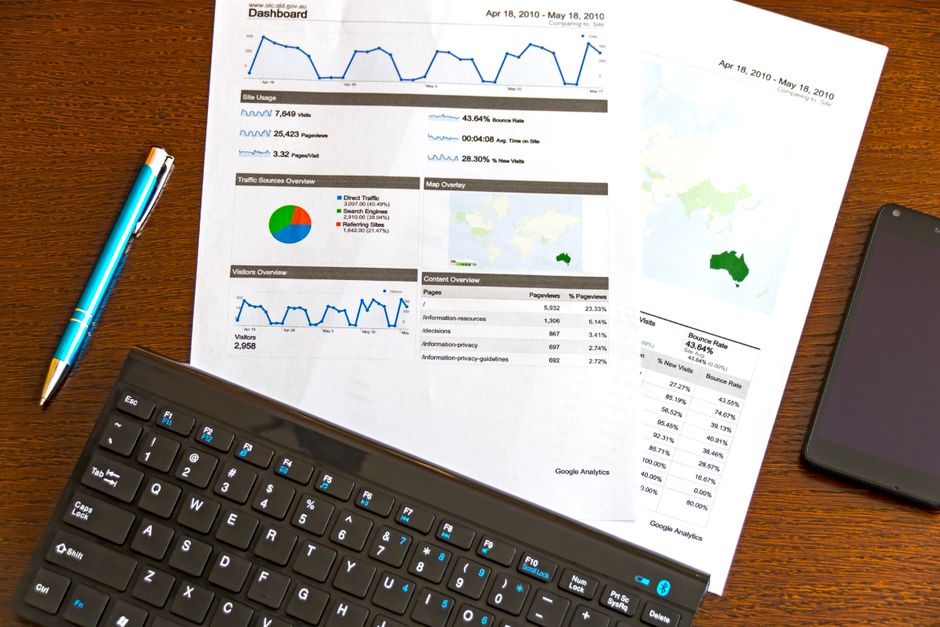
    Flatlay of a business analytics report, keyboard, pen, and smartphone on a wooden desk.

    Use Direct Outreach With Personalized Templates

    Cold outreach works when you personalize the first sentence and make the value clear in under 10 seconds. Start your email or DM by referencing a specific piece of their content: “I saw your review of [competitor product] and loved how you explained [specific feature].” This proves you’re not spamming and immediately builds credibility.

    Your subject line should mention a benefit or their content, not your brand. “Partnership opportunity for [their audience type]” or “Loved your [specific post], quick question” both get 30 to 50 percent higher open rates than generic “Affiliate program invitation” subjects. In the body, lead with what they get: commission rate, average order value, cookie duration, and any signup bonuses. Include a clear CTA with a link to your program details or application form.

    Here’s a template that converts at 15 to 20 percent for ecommerce brands:

    Subject: Quick collab idea for your [platform] audience

    Body: Hi [Name], I came across your [specific content piece] on [topic] and thought your audience would love [Your Product]. We work with creators like you to offer [commission rate] on all sales, plus [specific bonus or incentive]. Our average affiliate earns [specific dollar amount] per month, and we provide [unique benefit like instant payouts, custom discount codes, or dedicated support]. Would you be open to a quick chat this week? Here’s our program overview: [link]. Thanks, [Your Name]

    Send your initial outreach in batches of 20 to 30 per day to avoid spam filters. Use a CRM or spreadsheet to track responses, follow-ups, and conversion rates by outreach channel. If you don’t hear back in 5 to 7 days, send one follow-up referencing your original message. After that, move on. For brands managing dozens of affiliate relationships, tools like affiliate management platforms help you track outreach status, automate follow-ups, and onboard new partners without manual data entry.

    Hands typing on a laptop at a desk, engaging in online work, and navigating social media.

    Offer Competitive Commissions and Performance Incentives

    Your commission structure directly impacts affiliate quality and motivation. In 2026, the median ecommerce affiliate commission is 10 percent for physical products and 30 percent for digital products. If your margins allow, offer tiered commissions: 10 percent for the first 10 sales, 12 percent for 11 to 50 sales, and 15 percent for 51+ sales per month. This rewards top performers and gives new affiliates a clear growth path.

    Cookie duration matters more than most brands realize. A 30-day cookie captures more conversions than a 7-day cookie because customers often research before buying. If your sales cycle is longer (like furniture or high-ticket electronics), consider 45 to 60-day cookies. Affiliates compare cookie windows when choosing programs, and longer windows make your offer more attractive.

    Add performance bonuses to stand out. Offer a $100 bonus for the first 20 sales in 30 days, or a $500 quarterly bonus for affiliates who drive 100+ conversions. Instant payouts are a major differentiator in 2026. Traditional affiliate networks pay 30 to 60 days after a sale, but platforms like Affiliate Aura offer instant commission payouts when affiliates hit milestones, which attracts higher-quality partners who value cash flow. Provide exclusive discount codes, early access to new products, or free samples to top affiliates. These non-cash incentives cost you little but build loyalty and give affiliates more reasons to promote your brand over competitors.

    • Baseline commission: match or beat the median in your niche (10 to 15 percent for physical products)
    • Tiered structure: increase commissions at 10, 50, and 100 sales per month to reward growth
    • Cookie duration: 30 days minimum, 45 to 60 days for high-consideration purchases
    • Instant payouts: reduce payout delays from 30 to 60 days down to 24 to 48 hours for milestone hits
    • Bonuses: cash bonuses for hitting sales targets, exclusive codes, product samples, early access

    Build a System to Track Outreach and Follow-Ups at Scale

    Manual outreach falls apart once you contact more than 50 affiliates. You need a system to track who you contacted, when, their response status, and when to follow up. Start with a simple spreadsheet: columns for affiliate name, URL, contact method, outreach date, response status, follow-up date, and notes. Update it daily to avoid duplicate outreach or missed follow-ups.

    If you’re recruiting 100+ affiliates, use a CRM like HubSpot, Airtable, or a dedicated affiliate recruitment tool. Set up automated reminders for follow-ups 5 to 7 days after initial contact. Tag affiliates by quality tier (A, B, C) based on your evaluation criteria, and prioritize follow-ups with A-tier prospects. Track your conversion rate by outreach channel: if Instagram DMs convert at 20 percent but email converts at 10 percent, shift more effort to Instagram.

    Measure time-to-onboard for each affiliate. The faster you move from first contact to first sale, the more likely they’ll stay active. Automate onboarding with a welcome email sequence that includes program details, tracking link setup, and branded short link creation instructions. Platforms like Affiliate Aura streamline this by providing affiliates with instant link generation, real-time analytics, and automated payout tracking, reducing your onboarding time from 3 to 5 days down to under 24 hours. Track affiliate performance weekly: monitor clicks, conversions, and revenue per affiliate to identify who needs support or who should be promoted to higher commission tiers.

    Frequently Asked Questions

    How do I find affiliates for my business?

    Start by defining your ideal affiliate profile based on audience demographics and content format. Then search Google, Instagram, YouTube, and TikTok using niche-specific keywords like “[product] review” or “#[niche]affiliate”. Research competitor affiliate programs to find partners already promoting similar products. Use direct outreach with personalized emails or DMs that reference their content and clearly state your commission offer.

    Where can I recruit affiliate marketers?

    You can recruit affiliates through social media platforms (Instagram, YouTube, TikTok), Google searches for niche blogs and review sites, affiliate networks like ShareASale or CJ Affiliate, and by analyzing competitor affiliate programs. In 2026, Instagram and TikTok are the fastest-growing channels for ecommerce affiliate recruitment, especially for consumer products and lifestyle brands. Dedicated platforms like Affiliate Aura also match your products with active affiliates based on niche and audience fit.

    How do I attract affiliates to my program?

    Offer competitive commissions that meet or exceed your niche median (typically 10 to 15 percent for physical products), provide at least a 30-day cookie duration, and add performance bonuses for top affiliates. Instant payouts are a major differentiator in 2026, as most affiliates prefer platforms that pay within 24 to 48 hours instead of waiting 30 to 60 days. Provide affiliates with easy-to-use tracking tools, branded short links, and dedicated support to make promotion simple.

    What makes a good affiliate partner?

    A good affiliate has an engaged audience that matches your target customer demographics, demonstrates 2 to 5 percent engagement rates on social platforms, and creates content with clear purchase intent (reviews, discount codes, buying guides). They disclose affiliate relationships properly, link directly to product pages instead of just homepages, and have at least 60 percent real followers verified through audience analysis tools. Conversion history with similar products is the strongest indicator of future performance.

    How do I find niche affiliates?

    Use highly specific search queries on Google like “best [specific product subcategory] 2026” or “[micro-niche] affiliate programs” to surface specialized bloggers and reviewers. On social media, search long-tail hashtags that combine your niche with product types, like #veganskincarereviews or #budgettechgadgets. Join niche-specific Facebook groups, subreddits, or Discord communities where affiliates and creators discuss partnerships. Competitor research is especially effective for niche products because the pool of relevant affiliates is smaller and easier to identify.

    How to find affiliates for ecommerce business using automation?

    Use affiliate management platforms that offer AI-powered matching between your product catalog and active affiliates in your niche. These tools scan social media profiles, engagement data, and content history to suggest high-fit partners automatically. Set up automated outreach sequences with personalized templates and follow-up reminders triggered 5 to 7 days after initial contact. Real-time dashboards let you track affiliate performance, clicks, and conversions without manual spreadsheet updates, saving 10 to 15 hours per week on recruitment and management tasks.

    How long does it take to build an affiliate program from scratch?

    Defining your ideal affiliate profile and setting up tracking infrastructure takes 1 to 2 weeks. Recruiting your first 20 to 30 quality affiliates through outreach typically takes 4 to 6 weeks, assuming a 15 to 20 percent response rate and 5 to 7 day follow-up cycles. Your first affiliate sales usually appear within 2 to 4 weeks after onboarding, depending on your product price point and sales cycle. Scaling to 100+ active affiliates generally takes 3 to 6 months with consistent weekly outreach and performance optimization.

    Ready to Get Started?

    Finding the right affiliates takes time upfront, but a well-recruited affiliate program can drive 20 to 40 percent of your ecommerce revenue within six months. Focus on quality over quantity: 10 highly engaged affiliates who match your customer profile will outperform 100 random influencers every time. Use the search strategies, evaluation criteria, and outreach templates in this guide to build your recruitment system this week.

    If you want to skip the manual tracking and automate affiliate discovery, onboarding, and payouts, Affiliate Aura connects ecommerce brands with pre-vetted affiliates, provides real-time performance analytics, and offers instant commission payouts when affiliates hit milestones. You can set up your program, generate tracking links, and start recruiting in under 24 hours. Visit affiliateaura.ai to see how brands are scaling affiliate revenue without the operational overhead.

  • How to Manage Affiliates for Online Store Successfully

    How to Manage Affiliates for Online Store Successfully

    Most online store owners launch an affiliate program with excitement, then struggle to keep it organized once affiliates start joining. Without a clear system for tracking performance, managing payouts, and maintaining communication, your program can quickly turn into a source of confusion rather than revenue. Learning how to manage affiliates for online store success requires structure. You need repeatable workflows, transparent rules, and tools that eliminate manual guesswork.

    Managing affiliates effectively means balancing recruitment, performance tracking, timely payouts, and ongoing support. This guide walks you through the operational steps to build and run an affiliate program that scales with your ecommerce business in 2026.

    Woman photographing shoes for online sale in home workspace with laptop and packages.

    How to Manage Affiliates for Online Store: Recruitment and Vetting

    Start by defining your ideal affiliate profile before you recruit anyone. Look for creators, bloggers, or influencers whose audience overlaps with your customer base. A skincare brand should target beauty bloggers and Instagram influencers who post product reviews, not general lifestyle accounts with no skincare focus.

    Create a public application form on your website that asks for traffic sources, audience size, content examples, and promotional methods. This filters out low-effort applicants and gives you data to assess fit. Review each application manually during your first 50 approvals to understand what works, then build criteria for faster vetting.

    Key vetting criteria:

    • Audience alignment: Do their followers match your target customer demographics?
    • Content quality: Are their posts professional, consistent, and engaging?
    • Traffic sources: Do they rely on organic search, social media, or paid ads?
    • Promotional ethics: Do they disclose affiliate relationships and avoid spammy tactics?

    Reject affiliates who use coupon sites without permission, engage in trademark bidding, or have a history of FTC violations. These affiliates can damage your brand reputation and create legal exposure. Platforms like Affiliate Aura offer AI-powered matchmaking that pre-screens affiliates based on performance history and audience fit, reducing manual vetting time by 60%.

    Approve affiliates in batches weekly rather than one by one. This lets you onboard multiple partners at once with a single welcome email and training session, saving hours of repetitive communication.

    A woman with red nails fills out adoption application forms on a desk.

    Setting Commission Rates and Program Rules That Work

    Your commission structure directly impacts affiliate motivation and program profitability. Set rates based on your product margins, customer lifetime value, and competitor benchmarks. For ecommerce stores, typical commission rates range from 5% to 20% depending on category. High-margin products like digital goods or beauty can support 15% to 30%, while electronics or furniture often cap at 5% to 10%.

    Use tiered commissions to reward top performers. Start affiliates at 10%, then increase to 15% after they generate 50 sales or $5,000 in revenue within 90 days. This incentivizes sustained effort without overpaying unproven partners.

    Essential program rules to document:

    • Cookie duration: 30 days is standard for ecommerce, 60 days for higher-ticket items
    • Prohibited promotional methods: trademark bidding, email spam, fake reviews
    • Payout threshold: $50 minimum or monthly automatic payouts
    • Return policy impact: commissions reversed if customer returns within 30 days
    • Exclusive coupon codes: affiliates can request custom codes for tracking

    According to a 2026 report by Forrester, ecommerce businesses that use tiered commission structures see 34% higher affiliate retention and 28% more revenue per active affiliate compared to flat-rate programs.

    Publish your program terms on a dedicated page and require affiliates to accept them during signup. This creates accountability and reduces disputes over payouts or policy violations. Update terms annually and notify affiliates 30 days before changes take effect.

    Avoid overly restrictive rules that frustrate affiliates. If you ban all paid advertising, you exclude affiliates who excel at Google Ads or Facebook campaigns. Instead, set guidelines like “no trademark bidding” or “no misleading ad copy” that protect your brand without limiting creative promotion.

    Businesswoman calculates expenses using receipts and calculator at desk. Ideal for finance, accounting themes.

    Tracking Affiliate Performance and Managing Payouts

    Accurate tracking is non-negotiable. Every click, sale, and commission must be recorded in real time to maintain trust and identify fraud. Use dedicated affiliate tracking software that integrates with your ecommerce platform rather than relying on spreadsheets or manual reports.

    Your tracking system should capture referral source, conversion timestamp, order value, commission amount, and affiliate ID for every transaction. This data lets you calculate ROI per affiliate, identify your top performers, and spot anomalies like sudden traffic spikes that may indicate click fraud.

    Core metrics to monitor weekly:

    • Clicks and click-through rate per affiliate
    • Conversion rate (sales divided by clicks)
    • Average order value from affiliate traffic
    • Total commissions owed and paid
    • Revenue per affiliate (total sales minus commissions and refunds)

    Set up automated payout schedules to eliminate manual processing. Monthly payouts on the 15th of each month work well for most programs, but consider instant payouts for high performers. Delayed payments are the top complaint among affiliates, and a 2026 survey by Affiliate Summit found that 42% of affiliates abandon programs that pay later than 45 days after a sale.

    Platforms like Affiliate Aura automate payout processing and offer instant commission releases once affiliates hit milestones like $100 or 10 sales. This reduces administrative overhead and improves affiliate satisfaction. You can also integrate affiliate tracking directly with your ecommerce store to sync orders and commissions without manual data entry.

    Review payout reports before processing to catch errors like duplicate commissions or refunded orders that weren’t reversed. Flag any affiliate with a refund rate above 15%, as this may indicate poor traffic quality or unethical promotion tactics.

    Close-up of a person navigating online checkout on a laptop screen in a cozy indoor setting.

    Communicating Regularly With Your Affiliate Network

    Consistent communication keeps affiliates engaged and informed. Send a monthly newsletter with program updates, top performer highlights, new product launches, and promotional ideas. This takes 30 minutes to write but maintains visibility and reminds affiliates to promote your products.

    Create a private Slack channel, Facebook group, or email list where affiliates can ask questions, share wins, and get support. Active communities generate 40% more affiliate activity than programs with no communication beyond automated emails.

    Communication touchpoints to implement:

    • Welcome email sequence: onboarding steps, program rules, first promotional ideas (sent over 7 days)
    • Monthly newsletter: performance stats, new products, seasonal campaigns, affiliate spotlights
    • Quarterly check-ins: personalized emails to top 20% of affiliates asking for feedback and offering bonuses
    • Real-time alerts: notify affiliates immediately when you launch sales, new products, or limited-time offers

    Respond to affiliate questions within 24 hours. Slow responses signal that you don’t value the partnership, and affiliates will prioritize programs with better support. Assign one team member as the primary affiliate contact to ensure consistent, knowledgeable replies.
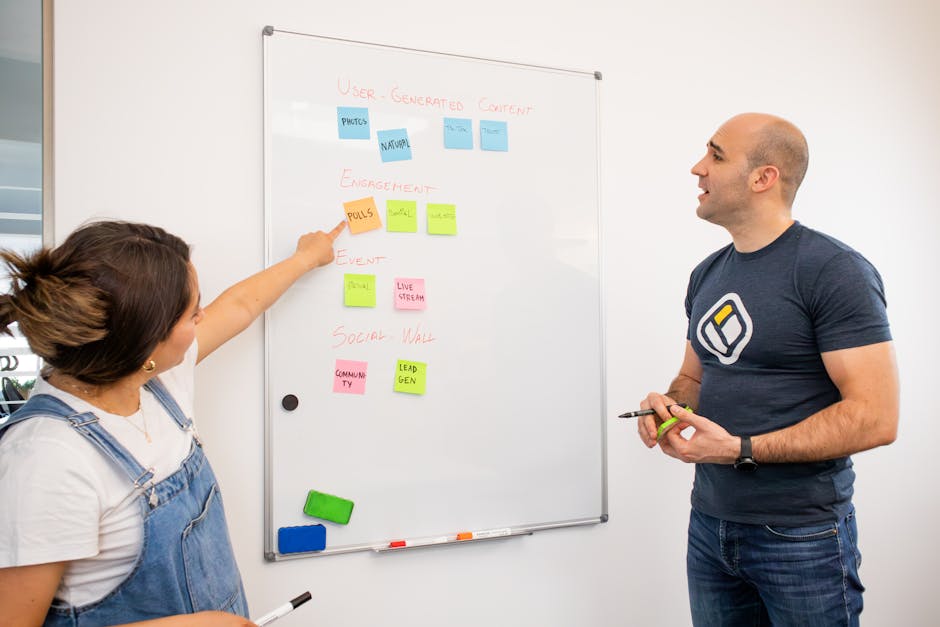
    Share performance data transparently. Send affiliates a quarterly report showing their clicks, conversions, earnings, and ranking compared to program averages. This motivates improvement and helps affiliates optimize their promotional strategies. Tools like an affiliate marketing dashboard with real-time analytics make it easy to generate and share these reports automatically.

    Four colleagues in a conference room engaged in a meeting with remote participant on video call.

    Providing Affiliates With Resources and Support

    Affiliates perform better when you give them ready-to-use promotional materials. Create a resource library with product images, banners, email templates, social media captions, and video clips. Host these on a password-protected page or inside your affiliate dashboard for easy access.

    Offer product samples or discounts so affiliates can test and review your products authentically. A skincare affiliate who has used your serum for 30 days will create more compelling content than someone copying your product description. Budget 5% to 10% of projected affiliate revenue for samples and influencer seeding.

    Essential affiliate resources to provide:

    • High-resolution product photos and lifestyle images
    • Pre-written social media captions and email swipe copy
    • Banner ads in multiple sizes (300×250, 728×90, 160×600)
    • Unique discount codes affiliates can share with their audience
    • Product data feeds for affiliates running comparison sites or shopping engines
    • Video demos or unboxing footage affiliates can embed

    Create a simple onboarding guide that walks new affiliates through link generation, tracking setup, and promotional best practices. A 10-minute video tutorial reduces support tickets by 50% and gets affiliates promoting faster. You can also show them how to create branded short links that look professional and build trust with their audience.

    Host quarterly webinars or Q&A sessions where affiliates can learn advanced tactics, ask questions, and network with other partners. Record these sessions and add them to your resource library for affiliates who can’t attend live.

    Recognize and reward top performers publicly. Feature them in your newsletter, offer bonus commissions, or send personalized thank-you gifts. Public recognition costs nothing but significantly boosts affiliate loyalty and effort.

    Close-up of a person writing and crafting at a cluttered desk workspace.

    Building Day-to-Day Workflows and Preventing Fraud

    Establish a weekly routine to keep your affiliate program running smoothly. Dedicate 2 to 3 hours every Monday to review performance, approve new applicants, respond to emails, and plan promotional campaigns. Consistency prevents tasks from piling up and ensures affiliates get timely support.

    Sample weekly affiliate management checklist:

    • Monday: review weekend sales, approve pending affiliates, respond to support emails
    • Wednesday: check for tracking issues or technical errors, update promotional materials
    • Friday: analyze top and bottom performers, send personalized outreach to inactive affiliates
    • Monthly: process payouts, send newsletter, review program rules and commission structure

    Fraud prevention requires ongoing vigilance. Watch for red flags like sudden traffic spikes from unknown sources, unusually high conversion rates, or affiliates generating sales only during the last hours before cookie expiration. These patterns often indicate cookie stuffing, fake transactions, or self-referral abuse.

    Implement automated fraud detection rules in your tracking software. Flag any affiliate whose refund rate exceeds 20%, whose average order value is 3x higher than program average, or who generates more than 50% of sales from a single IP address. Investigate flagged accounts within 48 hours and suspend payouts until you verify legitimacy.

    Require affiliates to disclose their relationship with your brand per FTC guidelines. Include disclosure language in your affiliate agreement and provide example disclaimers affiliates can use. Non-compliance exposes your business to regulatory penalties and damages consumer trust.

    Use platforms like Affiliate Aura that include built-in fraud monitoring and compliance tools. These systems automatically detect suspicious activity and send alerts, reducing the manual effort required to protect your program.

    Scaling Your Affiliate Program Over Time

    Once your program runs smoothly with 20 to 50 active affiliates, focus on growth. Recruit 10 to 15 new affiliates monthly through outreach, paid ads targeting “become an affiliate” keywords, and referrals from existing partners. Offer a $50 bonus to affiliates who refer another affiliate that generates at least $500 in sales within 90 days.

    Segment affiliates by performance tier and tailor your support accordingly. Your top 10% deserve personalized attention, exclusive bonuses, and early access to new products. Your middle 40% benefit from group training and promotional ideas. Your bottom 50% need automated encouragement and may eventually be pruned if they remain inactive for 6 months.

    Test new commission structures and promotional strategies quarterly. Run a 30-day campaign offering double commissions on a specific product category, then measure the impact on sales and affiliate activity. Successful tests become permanent program features.

    Invest in better tools as you grow. Manual tracking works for 10 affiliates but breaks down at 100. Platforms like Affiliate Aura scale with your program, offering features like AI-powered affiliate matching, real-time analytics, and instant payouts that attract higher-quality partners. You can explore programs that pay affiliates instantly to see how faster payouts improve retention and performance.

    Track program-level ROI monthly by dividing total affiliate-driven revenue by total program costs (commissions, software, samples, management time). Healthy programs generate $4 to $8 in revenue for every $1 spent. If your ROI drops below 3:1, audit your commission rates, affiliate quality, and promotional effectiveness.

    Frequently Asked Questions

    How do I manage affiliates for my online store?

    Start by recruiting affiliates whose audience matches your target customers, then set clear commission rates and program rules. Use affiliate tracking software to monitor performance and automate payouts. Communicate regularly through monthly newsletters and provide promotional resources like banners and product images. Review performance weekly and address issues like fraud or inactive affiliates promptly.

    How do I set up an affiliate program for ecommerce?

    Choose affiliate tracking software that integrates with your ecommerce platform, then define your commission structure and program rules. Create an application page where potential affiliates can apply, and build a resource library with promotional materials. Set up automated tracking links and payout schedules, then start recruiting affiliates through outreach and your existing network. Most stores can launch a basic program in 2 to 3 weeks.

    What is the best affiliate management software?

    The best software depends on your store size and needs. Platforms like Affiliate Aura offer real-time tracking, instant payouts, and AI-powered affiliate matching, which work well for growing ecommerce brands. Other options include Refersion, PartnerStack, and Impact, each with different pricing and features. Look for software that integrates with your ecommerce platform, automates payouts, and provides detailed performance analytics.

    How do I recruit affiliates for my store?

    Create a public affiliate program page explaining your commission rates, benefits, and application process. Reach out directly to bloggers, influencers, and content creators in your niche with personalized partnership proposals. Promote your program through social media, industry forums, and affiliate networks. Offer competitive commissions and instant payouts to attract high-quality partners who might otherwise choose competitor programs.

    How do I track affiliate sales and commissions?

    Use dedicated affiliate tracking software that assigns unique links or codes to each affiliate and records every click and conversion automatically. Your system should integrate with your ecommerce platform to sync orders in real time and calculate commissions based on your program rules. Review tracking data weekly to ensure accuracy, and set up automated reports that show each affiliate their performance metrics and earnings.

    How long does it take to see results from an affiliate program?

    Most ecommerce stores see their first affiliate sales within 2 to 4 weeks of launching, but meaningful revenue typically takes 3 to 6 months. Your timeline depends on how quickly you recruit affiliates, how well you support them, and how established their audiences are. Programs that provide strong resources and communicate regularly reach profitability 40% faster than those with minimal affiliate support.

    What commission rate should I offer ecommerce affiliates?

    Set commissions between 10% and 20% for most ecommerce products, adjusting based on your profit margins and industry standards. High-margin categories like beauty or digital products can support 20% to 30%, while low-margin items like electronics typically offer 5% to 10%. Use tiered structures that increase commissions after affiliates hit performance milestones to reward top performers without overpaying everyone.

    Ready to Get Started?

    Managing affiliates successfully requires clear systems, consistent communication, and tools that automate repetitive tasks. You need software that tracks performance accurately, processes payouts on time, and scales as your program grows.

    Affiliate Aura gives you real-time tracking, instant commission payouts, and AI-powered affiliate matching in one platform. You can onboard affiliates faster, reduce manual work, and focus on building relationships that drive revenue. Create your account today and start building an affiliate program that works.

  • How to Monetize Blog Traffic With Affiliate Links in 2026

    How to Monetize Blog Traffic With Affiliate Links in 2026

    You’ve spent months building your blog. Traffic is climbing, readers are engaged, but revenue is still stuck at zero. The gap between pageviews and profit feels impossible to close. Learning how to monetize blog traffic with affiliate links can change that, but only if you approach them as a monetization system, not a side experiment. In 2026, successful bloggers treat affiliate marketing like a conversion funnel: attract the right traffic, place links where intent is highest, and optimize based on real data. This guide shows you exactly how to do that.

    A person typing on a laptop at a café table with coffee and a notebook.

    Choose Affiliate Programs That Match Your Content and Audience

    Your first affiliate partnership matters more than your tenth. Start with programs that align with topics you already write about. If your blog covers productivity software, join programs like Notion or Asana. If you review outdoor gear, REI and Backcountry have strong affiliate terms. The tighter the match, the higher your conversion rate.

    Look for three things when evaluating programs:

    • Commission structure: Recurring commissions (10% monthly) often outperform one-time payouts (50% once) over 12 months
    • Cookie duration: 30-day cookies give you credit for purchases made weeks after the click, 24-hour cookies don’t
    • Payout speed: Some networks hold commissions for 60-90 days, others pay within days of hitting thresholds

    Platforms like Affiliate Aura offer instant payouts once you hit milestones, eliminating the cash flow delays that slow down new affiliates. Traditional networks like ShareASale and CJ Affiliate have massive product catalogs but longer payment cycles. Test both models and track which programs your audience actually converts on.

    Join 3-5 programs in your first month. More than that splits your focus. Fewer limits your testing data.

    Adult using smartphone and laptop simultaneously at a marble table indoors.

    How to Monetize Blog Traffic With Affiliate Links: Strategic Link Placement

    Link placement determines whether readers click or scroll past. The highest-converting spots are where you solve a specific problem or answer a purchasing question. Product comparisons, tutorial steps, and recommendation lists consistently outperform sidebar widgets and footer links.

    Here’s where to place links for maximum conversions:

    • Within the first 300 words of comparison posts (readers arrive ready to decide)
    • Inside step-by-step tutorials when you mention a tool or resource
    • In summary tables that compare features, pricing, or ratings
    • At the end of case studies when you reveal what worked

    Avoid burying links in long paragraphs. Use buttons, comparison tables, or bold text to make them visible without being aggressive. A “Check current price” button inside a product review converts 3-4x better than a plain text link in the middle of a sentence.

    Context matters more than frequency. One link placed after you explain why a product solves the reader’s problem will outperform five links scattered randomly. Test different placements using real-time analytics dashboards to see which positions drive clicks and commissions.

    A laptop showing an analytics dashboard with charts and graphs, symbolizing modern data analysis tools.

    Target Keywords That Signal Buying Intent

    Traffic volume means nothing if visitors aren’t ready to buy. A post ranking for “what is email marketing” might get 10,000 monthly visits but zero affiliate clicks. A post ranking for “best email marketing software for small business” with 800 visits can generate 20-30 conversions.

    Focus your keyword research on these high-intent modifiers:

    • “Best [product category] for [specific use case]” (best running shoes for flat feet)
    • “[Product A] vs [Product B]” (Shopify vs WooCommerce)
    • “[Product] review” or “[Product] alternatives”
    • “How to choose [product category]” (how to choose a web host)

    These keywords attract readers in the decision phase, not the awareness phase. They’re comparing options, reading reviews, and ready to click through. Your content should match that intent by providing direct comparisons, honest pros and cons, and clear recommendations.

    According to Ahrefs’ 2026 search behavior study, commercial intent keywords convert at 4.2x the rate of informational keywords despite having 60% less search volume.

    Use tools like Ahrefs, SEMrush, or even Google’s autocomplete to find these buyer-focused variations. Then build content that answers the exact question the keyword implies. If someone searches “best project management tool for remote teams,” they want a ranked list with features, pricing, and your recommendation, not a 2,000-word history of project management.

    Overhead view of a woman studying with a laptop and open book on a table, creating a productive atmosphere.

    Track Performance and Optimize Based on Real Data

    You can’t improve what you don’t measure. Set up tracking for every affiliate link you publish. Most affiliate networks provide basic click and conversion data, but that’s not enough to optimize your strategy. You need to know which posts drive clicks, which links convert, and where readers drop off.

    Track these four metrics weekly:

    • Click-through rate (CTR): Percentage of readers who click your affiliate links (benchmark: 2-5% for well-placed links)
    • Conversion rate: Percentage of clicks that result in a sale (benchmark: 1-3% for most niches)
    • Revenue per 1,000 visitors (RPM): Total affiliate earnings divided by pageviews, multiplied by 1,000 (benchmark: $15-$50 depending on niche)
    • Top-performing posts: Which 20% of your content drives 80% of affiliate revenue

    If a post gets 5,000 monthly visits but only 50 clicks, your link placement or call-to-action needs work. If you get 200 clicks but zero conversions, the product might not match your audience’s needs or budget. Use platforms like Affiliate Aura to see these patterns in real time instead of waiting weeks for network reports.

    Double down on what works. If comparison posts convert 5x better than tutorials, write more comparisons. If one affiliate program consistently delivers higher commissions per click, prioritize those products in your recommendations. Optimization is just doing more of what already works and cutting what doesn’t.

    A modern workspace featuring a laptop displaying financial stock charts with documents and stationery on a white desk.

    Build Content Around Real Monetization Funnels

    The best affiliate bloggers don’t scatter links randomly. They build content funnels that guide readers from awareness to purchase. A single post rarely converts cold traffic, but a sequence of three posts can turn a casual reader into a buyer.

    Here’s a proven three-post funnel structure:

    • Post 1 (Awareness): “How to [achieve goal]” with light product mentions and internal links to your comparison post
    • Post 2 (Consideration): “Best [product category] for [use case]” with detailed comparisons and affiliate links
    • Post 3 (Decision): “[Specific product] review” with deep analysis, screenshots, and direct purchase links

    A reader searching “how to start a podcast” lands on Post 1, learns the process, and clicks through to your best podcast hosting platforms comparison (Post 2). If they want more detail on your top recommendation, they read your in-depth review (Post 3) and convert. Each post serves a different stage of the buying journey.

    This approach works especially well for high-ticket items like software, courses, or equipment. A $200 commission justifies the effort of creating three interconnected posts. For lower-commission products, focus your energy on the comparison post and skip the individual reviews unless you have strong search volume data supporting them.

    Internal linking between these posts is critical. Use descriptive anchor text like “compare the top podcast hosting platforms” instead of generic “click here” links. This guides readers through your funnel and signals to search engines that these posts are topically connected.

    Two colleagues brainstorm on a whiteboard with colorful sticky notes for project planning.

    Disclose Affiliate Relationships Clearly and Consistently

    Disclosure isn’t optional. The FTC requires you to inform readers when you earn commissions from links. Beyond legal compliance, transparency builds trust. Readers who understand your business model are more likely to support you by using your links.

    Place disclosures in two locations:

    • At the top of every post with affiliate links: A brief statement like “This post contains affiliate links. If you make a purchase through these links, I may earn a commission at no extra cost to you.”
    • Near the first affiliate link: A shorter reminder like “affiliate link” in parentheses or a subtle badge

    Don’t bury disclosures in your footer or a separate policy page. They need to be visible before readers click. Use plain language, not legal jargon. “I earn a commission if you buy through this link” is clearer than “This site participates in various affiliate marketing programs.”

    Some bloggers worry that disclosure hurts conversions. Data shows the opposite. A 2025 study by the Content Marketing Institute found that posts with clear, upfront disclosures had 8% higher conversion rates than posts with hidden or vague disclosures. Readers appreciate honesty and are more willing to click when they understand the relationship.

    If you’re using a platform like Affiliate Aura, you can add disclosure text automatically to all generated links, ensuring compliance without manual updates on every post.

    Scale Your Affiliate Income by Diversifying Content Types

    Once your initial posts start earning, expand beyond single-product reviews. Different content formats attract different search queries and monetization opportunities. The bloggers earning $5,000+ monthly from affiliates rarely rely on one content type.

    Test these high-converting formats:

    • Roundup posts: “15 best [product category]” with affiliate links to each item (high traffic, moderate conversion)
    • Versus posts: “[Product A] vs [Product B]” for readers comparing two specific options (lower traffic, high conversion)
    • Resource pages: “Tools I use to run my business” with categorized recommendations (evergreen traffic, passive income)
    • Seasonal guides: “Best gifts for [audience]” published 6-8 weeks before major holidays (traffic spikes, time-sensitive)

    Each format serves a different reader need and search intent. Roundups capture broad, high-volume keywords. Versus posts target readers who’ve narrowed their choices to two options. Resource pages build authority and generate consistent passive income as readers return to check your recommendations.

    Track which formats deliver the best RPM for your niche. Tech and software blogs often see the highest returns from comparison posts and in-depth reviews. Lifestyle and parenting blogs perform well with seasonal gift guides and roundup lists. Your audience data will reveal patterns within 90 days of consistent publishing.

    As you scale, consider using link management tools to organize and update affiliate links across dozens of posts without manual edits.

    Frequently Asked Questions

    How do I monetize my blog with affiliate links?

    Join affiliate programs relevant to your blog’s niche, create content targeting buyer-intent keywords, and place affiliate links naturally within product comparisons, reviews, and tutorials. Track your click-through and conversion rates, then optimize by focusing on the content formats and products that generate the most commissions. Most bloggers see their first affiliate sale within 30-60 days of consistent publishing.

    Where should I place affiliate links on a blog post?

    Place affiliate links where readers are making decisions, specifically within the first 300 words of comparison posts, inside step-by-step tutorials when mentioning tools, in summary tables comparing features or pricing, and at the end of case studies. Links embedded in context after you explain why a product solves a problem convert 3-4x better than links scattered randomly throughout a post.

    How much traffic do I need to make money with affiliate marketing?

    You can earn your first commissions with as little as 500-1,000 monthly visitors if your content targets high-intent keywords and recommends relevant products. A blog with 5,000 monthly visitors and a $30 RPM can generate $150 per month, while 20,000 visitors at the same RPM produces $600. Traffic quality matters more than volume since 1,000 visitors searching for product comparisons convert better than 10,000 visitors reading informational content.

    What are the best affiliate programs for bloggers?

    The best programs match your content niche and offer fair commission rates with reasonable cookie durations. Amazon Associates works for physical products with 24-hour cookies and 1-10% commissions. ShareASale and CJ Affiliate provide access to thousands of merchants with 30-90 day cookies. Platforms like Affiliate Aura offer instant payouts and real-time tracking, eliminating the 60-90 day payment delays common with traditional networks.

    Do I need to disclose affiliate links on my blog?

    Yes, FTC regulations require clear disclosure when you earn commissions from links. Place a disclosure statement at the top of every post containing affiliate links and near your first affiliate link. Use plain language like “I earn a commission if you buy through this link” rather than legal jargon. Transparent disclosure actually increases conversions by 8% compared to hidden or vague disclosures, according to 2025 research from the Content Marketing Institute.

    How can I track which affiliate links perform best?

    Use your affiliate network’s dashboard to monitor clicks and conversions, but supplement this with tools that show you which blog posts and link placements drive the most revenue. Track your click-through rate (2-5% is good), conversion rate (1-3% for most niches), and revenue per 1,000 visitors. Platforms with real-time analytics let you test link placements and optimize within days instead of waiting for monthly network reports.

    What’s the difference between monetizing blog traffic with affiliate links versus display ads?

    Affiliate links typically generate higher revenue per visitor ($15-$50 RPM) than display ads ($5-$15 RPM) but require more strategic content creation. Affiliate income scales with how well you match products to reader intent, while ad revenue scales primarily with traffic volume. Many bloggers use both methods, placing ads on informational content and affiliate links on commercial content like product comparisons and reviews.

    Ready to Get Started?

    Monetizing blog traffic with affiliate links works when you treat it as a system, not a side experiment. Choose programs that match your content, place links where intent is highest, target buyer-focused keywords, and optimize based on real performance data. The bloggers earning consistent affiliate income didn’t get there by accident. They built content around what their audience actually needs and tracked what converts.

    If you want to skip the 60-90 day payout delays and see exactly which links drive revenue in real time, Affiliate Aura gives you instant commission payouts and analytics built for bloggers who treat affiliate marketing like a business. Start with one high-intent post this week, track the results, and build from there.

  • How to Find Brands for Affiliate Marketing Partnerships

    How to Find Brands for Affiliate Marketing Partnerships

    Finding the right brands for affiliate marketing partnerships is the difference between earning consistent commissions and wasting time on programs that don’t convert. You have the audience, the content skills, and the platform to promote products. But without the right brand partnerships, you’re leaving money on the table. Most affiliates waste weeks scrolling through outdated directories or cold-emailing brands that never respond. The best partnerships come from systematic research, targeted outreach, and knowing exactly what signals a good fit before you pitch. This guide walks you through the repeatable process top affiliates use to find, vet, and land brand partnerships that convert.

    A focused young man studies on a laptop amidst stacks of books in a cozy library setting.

    Define Your Ideal Brand Partner Before You Start Searching

    Start by writing down three criteria: audience overlap, commission structure, and product quality. If you skip this step, you’ll waste time pitching brands that don’t align with your content or pay poorly.

    Audience overlap means your followers actually need what the brand sells. If you run a fitness blog, a meal prep service fits better than a random SaaS tool. Check your analytics for demographics, interests, and buying behavior. Match those to brand customer profiles.

    Commission structure matters more than most affiliates realize. A 5% commission on a $20 product earns you $1 per sale. A 20% commission on a $200 product earns you $40. Look for brands offering at least 10-15% on physical products or 20-40% on digital products. Platforms like instant payout affiliate networks also reduce the 30-60 day wait most programs impose.

    Product quality protects your reputation. Promote junk once and your audience stops trusting your recommendations. Order samples, read reviews, and test the product yourself before signing up. This takes 1-2 weeks but saves you from promoting something that damages your credibility.

    • Audience match: Review your top-performing content and identify product categories your readers already engage with
    • Commission threshold: Set a minimum acceptable rate based on average order value and your traffic volume
    • Quality filter: Only promote products you would personally use or recommend to a friend
    Top view of a desk with social media hashtag, keyboard, and analytics chart in modern design.

    How to Find Brands for Affiliate Marketing Partnerships on Social Media

    Brands active on social media are easier to reach and more likely to respond. Start with Instagram, TikTok, and YouTube. Search hashtags like #ad, #sponsored, or #partner in your niche. This shows you which brands already work with creators.

    Look at who your competitors tag in sponsored posts. If a brand pays one creator in your space, they likely have budget for more. Follow those brands, engage with their content, and note their affiliate program links in bios or video descriptions.

    Reddit, Facebook groups, and niche forums surface brands your audience already discusses. Join 3-5 communities where your target readers hang out. Search for product recommendations, complaints, and buying questions. Brands mentioned repeatedly are proven sellers in your niche.

    LinkedIn works well for B2B affiliates. Search for “[your niche] affiliate manager” or “[brand name] partnerships.” Connect with these people directly. They manage affiliate relationships and can fast-track your application.

    • Instagram search: Use hashtags like #fitnessbrand, #techpartner, or #beautyaffiliate to find active programs
    • YouTube descriptions: Check competitor videos for affiliate links and discount codes
    • Reddit threads: Search “[your niche] recommendations” to see what products people actually buy
    • LinkedIn outreach: Message affiliate managers directly instead of filling out generic application forms
    Flat lay of stock market analysis documents with magnifying glass, pens, and glasses.

    Research Competitor Affiliate Programs to Reverse-Engineer Their Partnerships

    Your competitors already did the hard work of finding profitable brand partners. Study their monetization strategy to shortcut your research by months.

    Visit competitor websites and look for affiliate disclosure statements. These often list the networks they use (Amazon Associates, ShareASale, CJ Affiliate). Join those same networks and browse their merchant directories filtered by your niche.

    Use browser extensions like “Affiliate Link Checker” or manually inspect links in competitor content. Affiliate links contain tracking codes that reveal the network or program. Copy those brand names into a spreadsheet and research their program terms.

    Check competitor social media bios for branded links. Many affiliates use link management tools that create short URLs. Click through to see where they redirect. This reveals both the brand and the affiliate platform they use.

    According to Influencer Marketing Hub’s 2026 Affiliate Benchmarks Report, 68% of successful affiliates find their top-earning partnerships by analyzing competitor link strategies and joining the same networks.

    Build a tracking spreadsheet with columns for brand name, program network, commission rate, cookie duration, and application status. Update it weekly as you discover new opportunities. This turns random research into a repeatable workflow.

    • Disclosure pages: Read competitor affiliate disclosures to identify which networks they use
    • Link inspection: Right-click competitor links and copy URLs to reveal tracking parameters
    • Bio links: Follow short links in Instagram and TikTok bios to discover brand partnerships
    • Spreadsheet system: Track every brand you find with program details and follow-up dates
    A close-up view of a laptop displaying a search engine page.

    Use Affiliate Networks and Directories to Browse Vetted Programs

    Affiliate networks aggregate thousands of programs in one place. They handle tracking, payments, and dispute resolution, which saves you from managing dozens of individual brand relationships.

    The largest networks in 2026 are ShareASale, CJ Affiliate (formerly Commission Junction), Rakuten Advertising, Impact, and Awin. Each focuses on different niches. ShareASale excels in lifestyle and e-commerce. CJ Affiliate serves enterprise brands. Impact attracts SaaS and subscription companies.

    Sign up for 2-3 networks that match your niche. Browse their merchant directories using filters for category, commission rate, and average earnings per click (EPC). EPC tells you how much other affiliates earn per 100 clicks, which helps you prioritize high-converting programs.

    Platforms like Affiliate Aura take a different approach by using AI to match affiliates with relevant merchants automatically. Instead of browsing thousands of listings, you get personalized brand recommendations based on your audience data and content topics. This cuts research time from hours to minutes.

    Apply to 10-15 programs in your first week. Most approve within 24-72 hours. Some require a website review or minimum traffic threshold (usually 500-1,000 monthly visitors). If rejected, ask why and reapply after improving your site.

    • ShareASale: Best for physical products, fashion, home goods, and lifestyle brands
    • CJ Affiliate: Focus on large retailers and established consumer brands
    • Impact: Strong in SaaS, subscriptions, and B2B partnerships
    • Affiliate Aura: AI-powered matching plus instant payouts when you hit milestones
    • Application strategy: Apply to programs slightly above your current traffic level to grow into them
    A simple white paper checklist with one red checkmark, ideal for concepts like completion or approval.

    Evaluate Brand Fit Using Audience Data and Conversion Potential

    Not every program that accepts you deserves your promotion. Vet each brand before you create content to avoid wasting effort on low converters.

    Audience relevance comes first. Check if the brand’s target customer matches your reader demographics. A skincare brand targeting women 25-40 won’t convert well if your audience is mostly men 18-24. Use Google Analytics or social insights to compare your audience age, gender, location, and interests against the brand’s ideal customer.


    Engagement rate predicts conversion better than follower count. A creator with 10,000 engaged followers outperforms one with 100,000 disengaged followers. Look at your recent posts: if you get 500+ likes and 50+ comments per post, brands see you as high-engagement. If engagement sits below 2-3%, focus on growing engagement before pitching premium brands.

    Commission terms reveal how much you’ll actually earn. Compare base commission, cookie duration, and average order value. A 30-day cookie beats a 7-day cookie because customers have more time to convert. A brand with $150 average order value and 15% commission earns you $22.50 per sale. That beats a $50 product at 20% commission ($10 per sale) if conversion rates are similar.

    Credibility checks protect your reputation. Google “[brand name] reviews” and “[brand name] complaints.” Read Better Business Bureau ratings and Trustpilot scores. If you see patterns of poor customer service, late shipments, or low-quality products, skip the partnership no matter how good the commission looks.

    • Audience alignment: Compare your analytics demographics to the brand’s customer profile
    • Engagement threshold: Aim for 3-5% engagement rate before pitching premium brands
    • Commission math: Calculate earnings per sale using commission rate times average order value
    • Reputation research: Spend 10 minutes reading reviews before committing to promote
    Flat lay of keyboard letter tiles spelling 'email' on coral backdrop.

    Reach Out With Personalized Pitches That Show Your Value

    Generic outreach gets ignored. Brands receive dozens of affiliate requests weekly. Your pitch needs to show why partnering with you drives sales, not just traffic.

    Find the right contact first. Look for “affiliate manager,” “partnership manager,” or “influencer marketing” on LinkedIn. Check the brand’s website footer for “affiliates” or “partnerships” links. If you can’t find a contact, email [email protected] with a clear subject line like “Partnership Inquiry: [Your Name/Platform].”

    Structure your outreach email in four parts. Start with one sentence about why you’re reaching out. Add 2-3 sentences proving you understand their product and audience. Include your most impressive metric (traffic, engagement rate, or niche authority). End with a clear ask and make it easy to say yes.

    Here’s a template that converts:

    Subject: Partnership opportunity: [Your Niche] content for [Brand Name]

    Body: Hi [Name], I create [content type] for [audience size/description] focused on [niche]. I’ve been recommending [specific product] to my audience because [genuine reason], and I’d love to explore an affiliate partnership. My content typically drives [specific metric: X clicks, Y% conversion, Z sales] for similar brands. I’ve attached a one-page media kit with performance data. Would you be open to a quick call this week to discuss how we could work together?

    Attach a simple one-page PDF with your traffic stats, engagement rate, audience demographics, and 2-3 examples of past successful partnerships. Keep it visual and scannable. Brands make decisions in 30 seconds or less.

    Follow up once after 5-7 days if you don’t hear back. If still no response, move on. The best partnerships come from brands that respond quickly and enthusiastically.

    • Research the contact: Spend 5 minutes finding the right person’s name and email
    • Lead with value: Explain what they get (sales, exposure) before what you want (commission)
    • Include proof: Share one strong metric that demonstrates your ability to drive results
    • Make it easy: Attach a media kit so they don’t have to ask for more information
    • Follow up once: Send a brief reminder after one week, then move on if no response

    Build a Repeatable Brand Prospecting Workflow

    One-off searches don’t build a sustainable affiliate business. You need a system that continuously surfaces new partnership opportunities without consuming all your time.

    Set up a weekly research block of 2-3 hours. During this time, run through your prospecting checklist: browse affiliate networks for new programs, check competitor content for new brand mentions, search social media hashtags, and review community discussions for trending products.

    Use a CRM or spreadsheet to track every brand interaction. Create columns for brand name, contact person, outreach date, response status, and follow-up deadline. This prevents you from losing track of conversations or double-pitching the same brand.

    Automate discovery where possible. Set up Google Alerts for “[your niche] affiliate program” and “[your niche] brand launch.” Use tools like BuzzSumo or Mention to track when competitors publish new sponsored content. Join affiliate network email lists to get notified of new program launches.

    Platforms like Affiliate Aura automate much of this workflow by continuously matching you with new relevant brands based on your content and performance. Instead of manual research, you receive partnership opportunities directly. This is especially valuable once you’re managing 10+ active programs and don’t have time for weekly prospecting.

    Review your tracking sheet monthly. Identify which outreach methods convert best (networks vs. direct outreach vs. AI matching). Double down on what works and cut what doesn’t. Most successful affiliates find 60-70% of their partnerships through just 1-2 channels once they optimize their workflow.

    • Weekly research block: Schedule 2-3 hours every week for systematic brand discovery
    • Tracking system: Use a spreadsheet or CRM to log every brand contact and follow-up date
    • Automated alerts: Set up Google Alerts and network notifications for new opportunities
    • Monthly optimization: Review which discovery methods produce the most approved partnerships
    • AI assistance: Consider platforms that automate matching to save research time

    Frequently Asked Questions

    How do I find brands for affiliate marketing partnerships?

    Start by defining your ideal partner based on audience overlap and commission structure. Then use a combination of affiliate networks like ShareASale or CJ Affiliate, competitor research to see who they promote, social media searches for brands using #ad or #sponsored in your niche, and direct outreach to brands your audience already buys from. Most successful affiliates find 60-70% of their partnerships through 1-2 primary channels once they establish a repeatable workflow.

    How do I find companies that have affiliate programs?

    Check the footer of brand websites for “affiliate program” or “partnerships” links, which usually lead to application pages. Browse affiliate network directories like ShareASale, Impact, or Awin that list thousands of programs by category. You can also Google “[brand name] affiliate program” or use browser extensions to inspect competitor affiliate links and identify which programs they use. Many e-commerce brands also list their affiliate programs on their About or Contact pages.

    How do I find affiliate partners in my niche?

    Join niche-specific communities on Reddit, Facebook groups, and forums where your target audience discusses products and asks for recommendations. Search social media hashtags combining your niche with terms like “affiliate,” “partner,” or “sponsored” to find brands actively working with creators. Analyze competitor content to see which brands they promote repeatedly, as these are proven converters in your space. You can also filter affiliate network directories by category to browse programs specific to your industry.

    How do I approach a brand for an affiliate partnership?

    Find the affiliate or partnership manager on LinkedIn or the brand’s website, then send a personalized email explaining why you’re a good fit. Start with one sentence about your interest, prove you understand their product and audience, share your strongest performance metric like traffic or engagement rate, and attach a one-page media kit with relevant stats. Make your ask specific and easy to respond to, like requesting a 15-minute call. Follow up once after 5-7 days if you don’t hear back, then move on to other opportunities.

    What are the best affiliate networks to join?

    ShareASale works well for lifestyle, fashion, and physical products with over 16,000 merchants. CJ Affiliate serves large enterprise brands and retailers with established programs. Impact specializes in SaaS, subscription services, and B2B partnerships. Rakuten Advertising and Awin offer strong international brand coverage. For faster payouts and AI-powered brand matching, newer platforms like Affiliate Aura provide instant commission payments when you hit milestones instead of the typical 30-60 day wait. Join 2-3 networks that align with your niche rather than spreading yourself across every platform.

    How long does it take to get approved for affiliate programs?

    Most affiliate networks approve applications within 24-72 hours if you meet basic requirements like having an active website or social media presence. Individual brand programs within networks can take 1-7 days depending on their review process. Some premium brands require minimum traffic thresholds, usually 500-1,000 monthly visitors, and may take up to two weeks to manually review your content quality and audience fit. If rejected, ask the network or brand why and reapply after addressing their concerns.

    Should I join an affiliate network or contact brands directly?

    Start with affiliate networks because they provide easier access to hundreds of programs, handle all tracking and payments, and don’t require individual negotiations. Once you have proven performance data from network programs, reach out to larger brands directly to negotiate higher commission rates or exclusive terms. Direct relationships typically pay 20-40% more but require you to manage separate tracking links and payment schedules. Most successful affiliates use both approaches, with 60-70% of revenue from networks and 30-40% from direct partnerships.

    Ready to Get Started?

    Finding the right brand partnerships takes systematic research, but you don’t have to do it all manually. Affiliate Aura uses AI to match you with relevant brands based on your audience and content, then provides real-time tracking and instant commission payouts when you hit milestones. Instead of waiting 30-60 days for payment or spending hours browsing directories, you get personalized partnership opportunities and faster cash flow. Sign up to see which brands are looking for affiliates in your niche right now.