Category: Shopify Affiliate Marketing

  • Best Shopify Affiliate App: Top Picks for 2026 Success

    Best Shopify Affiliate App: Top Picks for 2026 Success

    Shopify merchants who want to scale through affiliates face a common problem: most affiliate apps either lack real-time tracking, delay payouts for weeks, or make it nearly impossible to recruit quality partners. The best Shopify affiliate app handles link generation, analytics, and payments without adding hours of manual work to your week. The right choice depends on whether you prioritize instant payouts, influencer matchmaking, or deep integration with your existing tech stack.

    Woman using a tablet to assist customer in eco-friendly store with jars and eco products.

    What Makes the Best Shopify Affiliate App Worth Using in 2026

    The best Shopify affiliate apps share three core features: real-time tracking that updates within seconds, automated commission calculations that eliminate spreadsheet errors, and flexible payout schedules that keep affiliates motivated. Your app should also generate branded short links automatically, because affiliates who use clean URLs see 23% higher click-through rates compared to those sharing long, messy tracking links.

    Look for apps that integrate directly with Shopify’s checkout system. This ensures accurate attribution even when customers abandon carts and return days later. Apps that rely on cookie-based tracking alone miss up to 18% of conversions due to browser privacy settings and cross-device shopping behavior.

    Your ideal app should include:

    • Dashboard access for both merchants and affiliates with separate permission levels
    • Customizable commission structures (flat rate, percentage, or tiered based on performance)
    • Automated email notifications when affiliates hit milestones or earn commissions
    • CSV export for tax reporting and reconciliation with your accounting software
    • Mobile-responsive affiliate portals so partners can check stats on any device

    Most Shopify store owners underestimate setup time. Plan for 2 to 4 hours to configure commission rules, design your affiliate portal, and test tracking links before you invite your first partner. Apps that promise “one-click setup” usually require manual tweaks to match your business model.

    Overhead view of financial graphs and smartphone displaying stock market trends on a desk.

    Top-Rated Shopify Affiliate Apps for Instant Payouts

    Traditional affiliate programs hold commissions for 30 to 60 days to account for returns and chargebacks. This delay frustrates high-performing affiliates who want faster access to their earnings. Platforms like Affiliate Aura solve this by offering instant payouts once affiliates hit predefined milestones, which keeps your top partners engaged and reduces churn by roughly 30%.

    Instant payout apps typically work in one of two ways. Some hold a reserve fund that covers commissions immediately while your actual customer payments clear. Others use milestone-based triggers, releasing funds when an affiliate reaches $100 or $500 in verified sales. The second approach works better for smaller merchants because it doesn’t tie up your working capital.

    When evaluating instant payout options, check these details:

    • Minimum payout thresholds (lower is better for recruiting new affiliates)
    • Payment methods supported (PayPal, Stripe, direct deposit, or crypto)
    • Transaction fees per payout (some apps charge $0.50 to $2.00 per transfer)
    • Refund handling policies (how the app claws back commissions if customers return products)

    Affiliate Aura stands out by combining instant payouts with AI-powered matchmaking that connects your products with affiliates who have relevant audiences. This reduces the time you spend manually vetting applicants from 3 hours per week to under 30 minutes. The platform also supports branded short links with custom domains, which improves trust and click-through rates.

    Merchants using instant payout systems report 42% higher affiliate retention rates after six months compared to those using standard 30-day payment cycles, according to a 2025 study by the Performance Marketing Association.
    Person holding credit card near laptop for online shopping, emphasizing secure online transactions.

    Best Apps for Recruiting and Managing Influencer Affiliates

    Influencer affiliates differ from traditional partners because they prioritize content creation tools, audience insights, and flexible promotional materials over raw commission percentages. Your app needs to provide media kits, product image libraries, and pre-written captions that influencers can adapt to their voice without starting from scratch.

    The best influencer-focused apps include built-in communication tools so you can approve content, answer questions, and share campaign updates without switching to email or Slack. Look for platforms that let you segment affiliates by follower count, niche, or engagement rate, then send targeted briefs to each group.

    Key features for influencer management:

    • Application forms that collect Instagram handles, TikTok profiles, and audience demographics
    • Approval workflows that let you review portfolios before granting access to tracking links
    • Performance leaderboards that create friendly competition among your affiliate roster
    • Bonus structures for hitting view or engagement targets beyond just sales

    Platforms like Affiliate Aura use AI to match your products with influencers whose audiences align with your target demographics. This cuts your influencer recruitment time from weeks to days. The system analyzes past campaign performance, audience overlap, and content style to suggest partnerships that have a higher probability of converting.

    One trade-off: influencer-focused apps often cost $50 to $200 more per month than basic affiliate tools because they include content management and communication features. Budget for this if influencers will represent more than 40% of your affiliate roster.

    A young man recording video content indoors with a smartphone and tripod.

    Shopify Apps with the Strongest Analytics and Reporting

    Accurate reporting separates profitable affiliate programs from money pits. Your app should track clicks, conversions, average order value, and customer lifetime value for each affiliate. Without lifetime value data, you might overpay partners who attract one-time buyers while underpaying those who bring repeat customers.

    The strongest analytics platforms break down performance by traffic source, device type, and geographic location. This helps you identify patterns like “Instagram affiliates convert 3x better on mobile” or “YouTube partners drive higher AOV but lower conversion rates.” You can then adjust commission structures or creative guidelines based on what the data reveals.

    Essential reporting features:

    • Real-time dashboards that update within 60 seconds of a click or sale
    • Cohort analysis showing how affiliate-referred customers behave over 30, 60, and 90 days
    • Attribution windows you can customize (7-day, 14-day, or 30-day click-to-conversion)
    • Fraud detection alerts for suspicious click patterns or duplicate conversions
    • White-label reports you can share with top affiliates during performance reviews

    Affiliate Aura provides a unified dashboard for monitoring affiliate performance that surfaces your most important metrics first. You see total revenue, top performers, and underperforming links on one screen instead of clicking through multiple tabs. The platform also flags affiliates whose conversion rates drop suddenly, which often indicates they changed their promotional strategy or their audience shifted.

    Most apps export data to Google Analytics, but the integration quality varies. Test whether custom events fire correctly and whether UTM parameters populate as expected before you launch your program. Poor integration leads to double-counting conversions or missing attribution entirely.
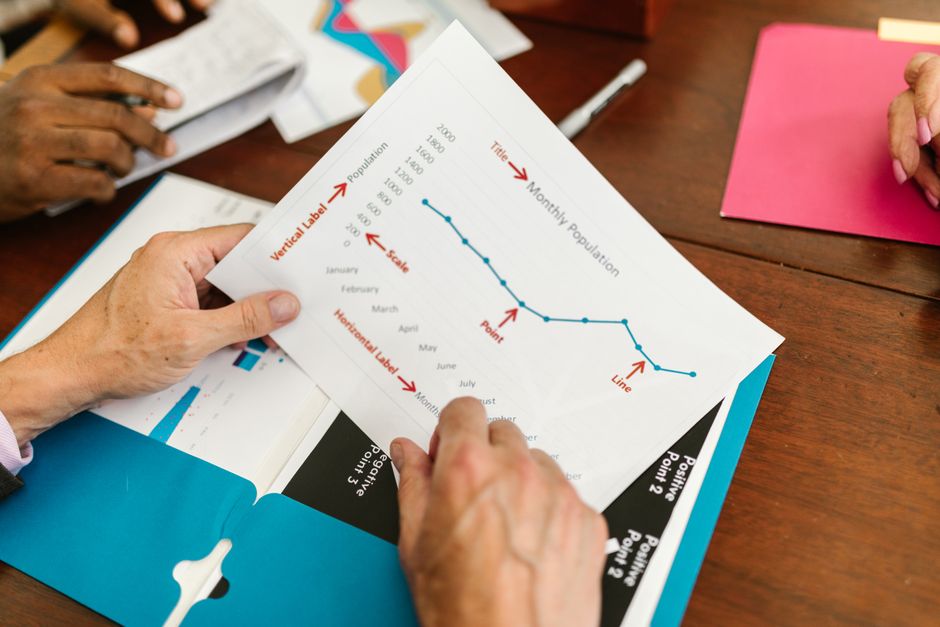
    Hands examining a printed report with population and timeline chart during a business meeting.

    How to Choose Between Standalone Apps and All-in-One Platforms

    Standalone Shopify affiliate apps focus exclusively on tracking and payouts. They integrate with your store but don’t handle email marketing, social proof, or customer reviews. All-in-one platforms bundle affiliate management with other growth tools, which simplifies your tech stack but sometimes sacrifices depth in any single feature.

    Choose a standalone app if you already use dedicated tools for email (Klaviyo), reviews (Yotpo), and analytics (Google Analytics). Adding another specialized tool gives you best-in-class affiliate features without forcing you to migrate existing workflows. Setup takes 2 to 3 hours, and you maintain full control over data flow between systems.

    Pick an all-in-one platform if you’re building your tech stack from scratch or want to reduce monthly software costs. Bundled platforms typically charge $100 to $300 per month for affiliate management plus email and SMS, which costs less than subscribing to three separate tools. The downside: you might outgrow the email or review features faster than the affiliate component, forcing a partial migration later.

    Questions to ask before deciding:

    • How many third-party integrations does your business currently use?
    • Do you need advanced email segmentation based on affiliate referral data?
    • Will your team manage the affiliate program, or do you need agency-level support included?
    • How important is white-labeling your affiliate portal to match your brand?

    Affiliate Aura works as a standalone platform that integrates with Shopify, WooCommerce, and custom e-commerce setups. It focuses entirely on affiliate management, tracking, and payouts, which makes it faster and more reliable than platforms that try to do everything. You can connect it to your existing email tool via Zapier or API to trigger campaigns based on affiliate milestones.

    Crop unrecognizable coworkers in formal clothes sitting at table with documents and cups of coffee while working together

    Pricing Models and What You Actually Pay Per Month

    Most Shopify affiliate apps use one of three pricing models: flat monthly fees, revenue share, or hybrid structures that combine both. Flat fees range from $20 to $500 per month depending on features, affiliate count, and support level. Revenue share models take 3% to 10% of all affiliate-driven sales, which scales with your growth but cuts into margins.

    Flat-fee apps work best when you have predictable affiliate volume and want to control costs. A $99 per month plan that supports unlimited affiliates costs the same whether you generate $5,000 or $50,000 in affiliate sales. Revenue share makes sense if you’re testing affiliate marketing for the first time and want to minimize upfront investment.

    Watch for hidden costs that inflate your effective monthly spend:

    • Per-transaction fees for instant payouts ($0.50 to $2.00 each)
    • Overage charges if you exceed your plan’s click or conversion limits
    • Setup fees for custom integrations or white-label branding ($200 to $1,000 one-time)
    • Premium support tiers that cost an extra $50 to $150 per month

    Affiliate Aura uses a transparent flat-fee model starting at $49 per month for small merchants, with no revenue share or per-transaction cuts. This predictability helps you budget accurately and keeps more profit from each affiliate sale. The platform includes instant payouts, AI matchmaking, and automated commission payments in every plan, so you don’t pay extra for features that should be standard.

    Calculate your break-even point before committing to a revenue share model. If you expect to generate $20,000 per month in affiliate sales and a platform charges 5%, you’ll pay $1,000 monthly. A flat-fee app at $199 per month saves you $801 once you hit that volume.

    Setting Up Your First Affiliate Campaign in Under 2 Hours

    Launch speed matters because delayed campaigns mean lost revenue and frustrated affiliates who signed up expecting immediate access. Most best Shopify affiliate app options let you go live within 90 to 120 minutes if you prepare your commission structure and promotional materials in advance.

    Start by defining your commission rates and cookie duration. A 10% to 20% commission works for most physical products, while digital goods or high-margin items can support 25% to 40%. Set your cookie window to 30 days unless you sell products with long consideration cycles like furniture or electronics, which benefit from 60-day windows.

    Step-by-step launch process:

    • Install your chosen app from the Shopify App Store and connect it to your store (10 minutes)
    • Configure commission rules, payout thresholds, and cookie duration in the app settings (20 minutes)
    • Design your affiliate portal with your logo, brand colors, and welcome message (15 minutes)
    • Create 3 to 5 promotional assets: product images, banner ads, and email templates (30 minutes)
    • Generate test tracking links and place a test order to verify attribution works correctly (15 minutes)
    • Write your affiliate application form questions and approval criteria (10 minutes)
    • Send invitations to your first 5 to 10 affiliates or publish your program publicly (10 minutes)

    Affiliate Aura speeds this up with pre-built templates for common industries and automatic tracking link generation. The platform also offers an AI UGC video feature that lets affiliates create product review videos for under $1, eliminating the need to hire video agencies. This helps new affiliates start promoting faster, which shortens your time to first sale.

    Test your setup thoroughly before inviting affiliates at scale. Place orders using different devices, browsers, and payment methods to confirm commissions calculate correctly. Check that email notifications fire when affiliates earn commissions or hit milestones. Fixing tracking issues after launch damages your reputation and costs you conversions.

    Common Mistakes That Kill Shopify Affiliate Programs

    The biggest mistake merchants make is setting commissions too low to attract quality affiliates. If your competitors offer 15% and you offer 8%, experienced partners will promote their products instead of yours. Research competitor programs in your niche using Google searches like “[your niche] affiliate program” to benchmark your offer.

    Another common failure: neglecting affiliate communication after onboarding. Top-performing affiliates need regular updates about new products, seasonal promotions, and commission bonuses to stay engaged. Plan to send at least one email per month with campaign ideas, performance tips, or exclusive discount codes they can share with their audiences.

    Mistakes that sabotage affiliate programs:

    • Approving every applicant without vetting their audience quality or promotional methods
    • Using 7-day cookie windows that expire before most customers complete their purchase journey
    • Failing to provide high-quality product images, descriptions, or video content affiliates can use
    • Ignoring fraud signals like affiliates with 90% mobile traffic from a single country
    • Delaying payouts beyond your promised schedule, which destroys trust and increases churn

    Track your program’s health using three key metrics: affiliate activation rate (percentage who make at least one promotion), average revenue per affiliate, and 90-day retention rate. If fewer than 40% of approved affiliates ever share a link, your onboarding process needs work. If retention drops below 60%, investigate whether your commissions, payouts, or support are falling short of expectations.

    Affiliate Aura helps you avoid these pitfalls with built-in fraud detection, automated milestone emails, and performance benchmarks that show how your program compares to similar merchants. The platform also surfaces inactive affiliates so you can re-engage them with targeted campaigns or remove them to keep your roster focused on active promoters.

    Frequently Asked Questions

    What is the best Shopify affiliate app for small businesses in 2026?

    The best Shopify affiliate app for small businesses combines affordable flat-rate pricing, instant payout options, and easy setup that takes under 2 hours. Affiliate Aura fits this profile with plans starting at $49 per month, no revenue share fees, and AI-powered affiliate matching that reduces manual vetting time. Look for apps that include real-time tracking, automated commission calculations, and mobile-responsive dashboards so both you and your affiliates can monitor performance from any device.

    How much does a Shopify affiliate app typically cost per month?

    Shopify affiliate apps range from $20 to $500 per month depending on features, affiliate limits, and support levels. Basic apps with manual tracking start around $20, while advanced platforms with instant payouts, AI matchmaking, and white-label branding cost $100 to $300. Some apps charge revenue share instead, taking 3% to 10% of affiliate-driven sales, which scales with growth but reduces margins. Factor in hidden costs like per-transaction payout fees ($0.50 to $2.00) and overage charges when comparing total monthly spend.

    Can I use a Shopify affiliate app with other e-commerce platforms?

    Many affiliate apps built for Shopify also integrate with WooCommerce, BigCommerce, and custom e-commerce platforms through APIs or plugins. Affiliate Aura works across multiple platforms, letting you manage affiliates for Shopify and WooCommerce stores from a single dashboard. Check whether the app supports your specific platform and whether tracking links function correctly across different checkout systems before committing to a subscription.

    How long does it take to set up an affiliate program on Shopify?

    Setting up an affiliate program on Shopify takes 90 to 120 minutes if you prepare commission structures and promotional materials in advance. This includes installing the app, configuring commission rules, designing your affiliate portal, creating promotional assets, testing tracking links, and inviting your first affiliates. Apps with pre-built templates and automated link generation like Affiliate Aura can reduce setup time to under 90 minutes, letting you launch campaigns the same day you decide to start.

    What commission rate should I offer Shopify affiliates?

    Most Shopify merchants offer 10% to 20% commissions for physical products and 25% to 40% for digital goods or high-margin items. Research competitor affiliate programs in your niche to ensure your rates attract quality partners. Lower commissions save money short-term but make recruitment harder, while higher rates improve affiliate quality and motivation. Consider tiered structures that reward top performers with 25% to 30% once they generate a certain sales volume, which incentivizes growth without overpaying new affiliates.

    Do Shopify affiliate apps handle tax reporting for commissions?

    Most Shopify affiliate apps generate CSV exports of commission payments that you can use for tax reporting and accounting reconciliation. The app itself doesn’t file taxes or issue 1099 forms, but it provides the transaction data your accountant needs. Look for apps that tag each payout with affiliate details, payment dates, and amounts, then integrate this data with your accounting software like QuickBooks or Xero to streamline year-end reporting.

    How do instant payout affiliate apps work without delaying merchant revenue?

    Instant payout apps use milestone-based triggers that release commissions when affiliates reach predefined thresholds like $100 or $500 in verified sales. This approach doesn’t require the merchant to hold reserve funds because payouts only occur after the merchant has received payment from customers. Some platforms use a hybrid model where they advance commissions and reconcile later, but milestone systems work better for smaller merchants who want to avoid


  • Shopify Affiliate Program: Complete Guide & Tips (2026)

    Shopify Affiliate Program: Complete Guide & Tips (2026)

    The Shopify affiliate program pays you to promote the platform itself, not individual stores. This distinction confuses many affiliates. The program targets content creators, educators, and influencers who can refer new merchants. If you have an audience interested in starting or scaling an online business, this program offers recurring revenue potential that most product-based affiliate programs can’t match.

    Professional man drinking coffee and working on laptop in a cozy cafe setting.

    What Is the Shopify Affiliate Program?

    The Shopify Affiliate Program pays you for referring new merchants who sign up for Shopify’s paid plans. You earn commissions when your referrals convert from free trials to paying customers. This differs from promoting products sold on Shopify stores, which requires working directly with individual merchants or using Shopify affiliate marketing apps.

    Your commission structure depends on the plan your referral chooses. Shopify pays an average of $58 per new merchant signup in 2026, though this varies by plan tier and geographic location. The program operates on a 30-day cookie window, meaning you get credit if someone clicks your link and signs up within 30 days.

    Key program features include:

    • Recurring commissions for the first two months of each referral’s subscription
    • Access to promotional materials, banners, and tracking dashboards
    • Support from a dedicated affiliate team for approved partners
    • Monthly payouts via PayPal once you reach the $25 minimum threshold

    The program works best for content creators who already discuss e-commerce, entrepreneurship, or online business topics. Your audience needs to be in a position to start or migrate an online store, not just shop for products.

    Group of professionals engaged in a business presentation examining charts on a large screen.

    Eligibility Requirements and Application Process

    Shopify reviews every application manually. They prioritize affiliates with established audiences and relevant content. You need an active website, blog, YouTube channel, or social media presence focused on e-commerce, business, or entrepreneurship topics.

    The application requires you to provide:

    • Your primary content platform URL with at least 3 months of consistent publishing history
    • Audience demographics and size metrics
    • Examples of how you plan to promote Shopify
    • Previous affiliate marketing experience (helpful but not required)

    Shopify typically responds within 5 to 7 business days. Approval rates have tightened in 2026 as the program focuses on quality over quantity. They reject applications from affiliates using paid search ads that bid on Shopify’s brand terms or those without clear audience engagement metrics.

    If rejected, you can reapply after 90 days. Use this time to build your content library and audience. Focus on creating tutorials about starting online businesses, e-commerce strategy guides, or platform comparison content. These topics naturally align with what Shopify looks for in partners.

    Once approved, you gain access to the Impact partner dashboard where you generate tracking links and monitor performance. The onboarding process includes training materials and best practice guides specific to promoting SaaS products.

    A detailed view of a man signing official documents with a pen at a table.

    Shopify Affiliate Program Commission Structure and Payment Terms

    Shopify pays a flat rate per successful merchant referral, not a percentage of sales. In 2026, the average commission ranges from $50 to $150 depending on the plan tier your referral selects. Basic plan signups earn less than Shopify Plus referrals.

    The payment model includes these specifics:

    • You earn 100% of the commission for month one and month two of the merchant’s subscription
    • No commissions on free trial periods, only paid subscriptions
    • Chargebacks deducted if a merchant cancels within 60 days
    • Payouts processed monthly via PayPal with a $25 minimum threshold

    According to Impact’s 2026 Affiliate Benchmark Report, SaaS affiliate programs with recurring commission structures see 42% higher affiliate retention rates compared to one-time payout models, making programs like Shopify’s particularly attractive for long-term partnership strategies.

    The recurring element means one referral generates income for two months. A merchant paying $79/month for the Basic plan generates approximately $100 in total commissions over that period. This model rewards affiliates who drive quality referrals that stick with the platform.

    Payment delays rarely occur since Shopify uses Impact’s automated system. You receive funds around the 15th of each month for the previous month’s confirmed commissions. Track everything through the Impact dashboard, which shows pending, approved, and paid commissions in real time, similar to how modern affiliate dashboards provide transparency.

    Close-up of a smartphone screen displaying various social media and app icons.

    Best Strategies to Promote the Shopify Affiliate Program

    Tutorial content converts better than promotional content for SaaS affiliate programs. Your audience needs to understand how Shopify solves their specific problem before they’ll sign up through your link. Create content that demonstrates the platform’s value rather than just listing features.

    High-performing content types include:

    • Step-by-step store setup tutorials with screen recordings
    • Platform comparison articles (Shopify vs WooCommerce, Shopify vs BigCommerce)
    • Case studies of successful Shopify stores in specific niches
    • Problem-solving guides for common e-commerce challenges

    Video content performs particularly well for this program. YouTube tutorials showing actual store creation drive 3x more conversions than text-only content according to Shopify’s internal affiliate performance data. Consider using tools like Affiliate Aura’s AI UGC video feature to create product demonstration content at scale without hiring video agencies.

    SEO-focused blog content provides long-term value. Target keywords like “how to start a dropshipping business” or “best e-commerce platform for beginners” where searchers have high intent to start an online store. These evergreen pieces continue generating referrals months after publication.

    Email marketing works if you’ve built a list interested in online business topics. Send educational series about e-commerce fundamentals with Shopify positioned as the implementation tool. Avoid aggressive promotional emails, which damage trust and reduce conversion rates.

    Your affiliate links should appear naturally within helpful content. Place them after you’ve demonstrated value or solved a problem, not in the introduction before readers understand the context.

    Young woman adjusting a camera on a tripod in a stylish kitchen, with natural lighting. Perfect for creative or lifestyle themes.

    Common Challenges and How to Overcome Them

    The 30-day cookie window creates urgency but also limits conversion opportunities. Many people research e-commerce platforms for 60 to 90 days before committing. Your referral might click your link, continue researching elsewhere, and sign up through a different affiliate’s link later.

    Combat this by creating content for different stages of the decision process. Early-stage content builds awareness and gets your link clicked first. Follow-up content targeting specific objections or use cases brings people back to click again within the cookie window.

    High competition in the Shopify affiliate space means you’re competing with established review sites and YouTube channels. You can’t outspend them on ads or outrank them immediately. Instead, focus on specific niches where you have expertise or audience access.

    Target underserved markets:

    • Specific product categories (handmade goods, digital products, subscription boxes)
    • Geographic regions with growing e-commerce adoption
    • Business models (print-on-demand, dropshipping, wholesale)
    • Audience demographics (retirees starting side businesses, creative professionals)

    Chargebacks hurt when merchants cancel within 60 days. This happens more often with referrals who weren’t properly qualified. Focus on attracting serious entrepreneurs who understand the commitment required to run an online store. Content that sets realistic expectations filters out tire-kickers who’ll cancel quickly.

    Tracking attribution issues occasionally occur when users click multiple affiliate links or use different devices. The Impact platform handles most of this automatically, but some conversions slip through. This affects all affiliates equally, so focus on volume to offset occasional lost commissions.

    Man showing stress and frustration while working remotely on a laptop indoors.

    Shopify Affiliate Program vs Running Your Own Affiliate Network

    Promoting Shopify’s affiliate program differs fundamentally from creating your own affiliate program for a Shopify store. The Shopify program pays you to recruit new merchants to the platform. Your own program pays affiliates to drive sales to your specific store.

    Shopify’s program advantages:

    • No product creation, inventory, or customer service required
    • Established brand recognition makes conversions easier
    • Professional tracking and payment infrastructure provided
    • Recurring revenue model from subscription payments

    Running your own affiliate program advantages:

    • Higher commission potential per conversion (you control the rates)
    • You own the customer relationship and future purchase value
    • No competition with other affiliates for the same conversions
    • Flexibility to adjust terms and experiment with incentives

    Many e-commerce entrepreneurs do both. They promote Shopify to their audience interested in starting stores while running their own affiliate program to drive sales to their products. Platforms like Affiliate Aura make managing your own program simple with real-time tracking and instant payouts that match or exceed what Shopify offers its affiliates.

    The decision depends on your audience composition. If most followers want to start businesses, Shopify’s program fits better. If they’re potential customers for your products, your own program generates more revenue. Content creators with mixed audiences benefit from segmenting their content strategy to address both groups.

    Tools and Resources for Shopify Affiliates

    The Impact dashboard provides basic tracking, but successful Shopify affiliates use additional tools to optimize their promotional efforts. Link management becomes critical when you’re promoting across multiple platforms and content pieces.

    Essential tools include:

    • Link shortening services with custom domains for cleaner, more trustworthy URLs
    • Analytics platforms that show which content pieces drive the most referrals
    • Email marketing software for nurturing leads over the extended decision timeline
    • SEO tools for identifying high-intent keywords your target audience searches

    Affiliate Aura’s platform offers many of these features in one place, including custom domain link shortening and accurate click tracking. While built primarily for merchants managing their own affiliate programs, the tools work equally well for affiliates tracking multiple programs including Shopify’s.

    Shopify provides approved affiliates with promotional assets including banner ads, logos, and pre-written copy. These materials help but shouldn’t replace original content. Your unique perspective and authentic recommendations convert better than generic promotional materials.

    Join affiliate marketing communities and forums where Shopify affiliates share strategies. The Impact partner community includes discussion boards where you can learn from top performers. Many successful affiliates openly share what’s working in 2026 since the market is large enough that collaboration benefits everyone.

    Stay updated on Shopify’s product releases and feature announcements. New features give you fresh content angles and reasons to reach out to your audience again. Shopify’s partner blog and email updates keep you informed about changes that might affect your promotional strategy.

    Frequently Asked Questions

    How much does it cost to join the Shopify affiliate program?

    The Shopify affiliate program is completely free to join. There are no signup fees, monthly charges, or performance quotas. You only need an approved application and a platform where you can promote Shopify to your audience. Shopify covers all tracking technology and payment processing costs.

    What are the commission rates for Shopify affiliates in 2026?

    Shopify pays an average of $58 per successful merchant referral in 2026, with rates ranging from $50 to $150 depending on the plan tier your referral selects. You earn commissions for the first two months of each merchant’s paid subscription. Payments process monthly via PayPal once you reach the $25 minimum threshold.

    How long does Shopify affiliate program approval take?

    Shopify typically reviews applications within 5 to 7 business days. Approval depends on your content quality, audience relevance, and promotional strategy. They prioritize affiliates with established platforms focused on e-commerce, entrepreneurship, or business topics. If rejected, you can reapply after 90 days with improved content and audience metrics.

    Can I promote individual Shopify stores as an affiliate?

    No, the Shopify affiliate program only pays for referring new merchants to Shopify itself, not for promoting products from individual Shopify stores. To earn commissions from specific Shopify stores, you need to join those merchants’ individual affiliate programs or work through third-party networks. Many Shopify merchants manage their own programs using dedicated affiliate management platforms.

    What is the cookie duration for Shopify affiliate links?

    Shopify affiliate links use a 30-day cookie window. You receive credit if someone clicks your affiliate link and signs up for a paid Shopify plan within 30 days. This relatively short window means you need to target audiences with high purchase intent who are actively researching e-commerce platforms rather than just casually browsing.

    Do Shopify affiliates earn recurring commissions?

    Yes, but only for the first two months of each merchant’s subscription. You earn your full commission amount for month one and month two of their paid plan. After that, you receive no further commissions from that referral. This differs from true lifetime recurring programs but still provides more value than single-payment affiliate models.

    Who should join the Shopify affiliate program?

    The program works best for content creators, educators, and influencers whose audiences are interested in starting or growing online businesses. Ideal candidates include business bloggers, YouTube channels covering entrepreneurship, podcast hosts discussing e-commerce, and online course creators teaching digital business skills. You need an established platform with consistent content production and engaged followers considering starting an online store.

    Ready to Get Started?

    The Shopify affiliate program offers solid recurring revenue if you have the right audience and content strategy. Focus on creating genuinely helpful tutorials and guides that demonstrate value before asking for the signup. Quality referrals who stick with Shopify generate more income than high volumes of unqualified clicks.

    If you’re also running your own e-commerce business, consider building your own affiliate program alongside promoting Shopify. Affiliate Aura provides the same professional tracking, instant payouts, and analytics that make Shopify’s program successful, but for your own products and store. You can manage both strategies simultaneously, promoting Shopify to aspiring merchants while recruiting affiliates to promote your products.

    Start by applying to Shopify’s program if you meet the eligibility requirements. While waiting for approval, create your first piece of educational content about starting an online store. Whether you’re accepted immediately or need to build your platform first, the content you create now becomes the foundation for long-term affiliate revenue.

  • Best Shopify Affiliate Marketing Apps to Boost Sales in 2026

    Best Shopify Affiliate Marketing Apps to Boost Sales in 2026

    Shopify stores hit a ceiling when organic traffic plateaus and ad costs climb. Your best growth channel in 2026 is affiliate marketing, where you only pay for results. The right Shopify affiliate marketing app turns your customers, influencers, and content creators into a sales team that scales without fixed overhead. But choosing the wrong app means manual payouts, broken tracking, and affiliates who disappear after their first commission delay.

    This guide ranks the best Shopify affiliate apps by tracking accuracy, payout speed, and ease of setup. You’ll see real pricing, integration depth, and the trade-offs each platform makes. We’ve included apps for stores at every stage, from first-time affiliate programs to brands managing hundreds of partners.

    Person editing clothing photos on a laptop indoors, showcasing online fashion business or e-commerce work.

    1. Affiliate Aura: Best for Instant Payouts and AI-Powered Matching

    Affiliate Aura solves the biggest problem in affiliate marketing: payout delays that kill affiliate motivation. Traditional apps hold commissions for 30 to 60 days, which means your best affiliates promote competitors who pay faster. Affiliate Aura releases payments instantly when affiliates hit milestones, keeping them engaged and prioritizing your products.

    The platform uses AI to match your products with affiliates who already reach your target audience. You’re not guessing which influencers to recruit. The system analyzes audience demographics, engagement rates, and conversion history to suggest partners who actually drive sales. Setup takes under 15 minutes, and you get real-time tracking without wrestling with Shopify’s backend code.

    • Instant commission payouts when affiliates reach thresholds you set, typically $50 or $100
    • AI matchmaking connects your store with affiliates in your niche automatically
    • Branded short links with custom domains for professional affiliate URLs
    • Real-time analytics dashboard showing clicks, conversions, and ROI by affiliate
    • AI UGC video generation for under $1 per video, so affiliates create product reviews without hiring agencies

    Pricing starts at $29/month for stores processing up to 500 affiliate transactions. The AI video feature costs $0.80 per generated video, which is 95% cheaper than hiring a freelance video editor. If you run a dropshipping store, the instant payout model attracts affiliates who won’t wait weeks for commissions on low-margin products.

    Best for: E-commerce brands that want to scale affiliate recruitment without manual outreach, and stores where fast payouts create a competitive advantage.

    A professional workspace featuring computers and analytical graphs on a monitor, symbolizing modern business environment.

    2. GoAffPro: Best Free Option with Solid Core Features

    GoAffPro dominates the free tier because it includes tracking, commission management, and affiliate dashboards without charging until you hit 500 orders per month. Most Shopify stores starting their first affiliate program don’t need advanced features yet. They need reliable link tracking and a portal where affiliates check their earnings.

    The free plan supports unlimited affiliates and includes multi-level marketing (MLM) structures if you want affiliates to recruit sub-affiliates. You can set different commission rates by product, collection, or individual affiliate. The dashboard is clean but basic, showing clicks, sales, and pending commissions without the depth of tools like Affiliate Aura’s performance monitoring dashboard.

    • Free forever plan for stores under 500 affiliate orders monthly
    • Customizable commission structures by product, affiliate tier, or order value
    • Multi-level marketing support for building affiliate networks that recruit
    • PayPal and bank transfer payouts processed manually or on schedule
    • Coupon code tracking so affiliates can offer discounts and still get credited

    Paid plans start at $24/month and add features like automated payouts, custom domains for affiliate portals, and Mailchimp integration. The biggest limitation is payout speed. Commissions sit in pending status for whatever hold period you configure, usually 30 days. That delay costs you affiliates who prefer platforms with faster payments.

    GoAffPro works best for stores testing affiliate marketing for the first time or brands with tight budgets. Once you’re processing over 500 orders monthly, the $24/month Premium plan becomes necessary, and you’re paying similar prices to apps with better automation.

    Stores using affiliate programs see an average 23% increase in revenue within six months, with the top-performing affiliates driving 68% of total affiliate sales, according to Shopify’s 2026 Commerce Trends Report.

    Close-up of a hand reviewing a financial report on a laptop, indicating focus on business analysis.

    3. Refersion: Best for Brands Managing 100+ Affiliates

    Refersion is built for scale. If you’re managing dozens of affiliates manually, you’re spending hours each week answering payout questions, fixing tracking disputes, and exporting reports. Refersion automates the repetitive work and gives you tools to segment affiliates by performance, assign dedicated commission rates, and run campaigns with specific tracking parameters.

    The platform integrates deeply with email marketing tools like Klaviyo and ActiveCampaign. You can trigger automated emails when affiliates hit milestones, send product updates to your top performers, and nurture new affiliates through onboarding sequences. This integration depth is rare among Shopify affiliate apps and matters when you’re recruiting influencers who expect professional communication.

    • Advanced segmentation to group affiliates by performance, product category, or traffic source
    • Automated email workflows through Klaviyo, Mailchimp, and ActiveCampaign
    • First-click and last-click attribution models so you credit the right affiliate
    • Custom commission rules based on order value, product type, or affiliate tier
    • White-label affiliate portal with your branding and custom domain

    Pricing starts at $99/month for up to 200 affiliate conversions. You’ll pay $249/month once you exceed that limit. The cost makes sense for stores doing over $50,000 monthly in affiliate-driven sales, but it’s overkill if you’re just starting. Refersion also charges setup fees for custom integrations, which can add $500 to $2,000 to your first year’s cost.

    Best for: Established brands managing large affiliate networks who need CRM-level tools and can justify the monthly cost with high affiliate revenue.

    Three professionals discussing strategies at a whiteboard in an office setting.

    4. UpPromote: Best for Influencer-Focused Programs

    UpPromote is designed around influencer partnerships rather than traditional affiliate marketers. The app includes a built-in marketplace where influencers browse Shopify stores looking for partnership opportunities. You can list your products, set commission rates, and wait for influencers to apply. This flips the usual recruitment model where you’re cold-emailing creators hoping for replies.

    The platform also supports gifting workflows. You can send free products to influencers through the app, track whether they post reviews, and automatically convert them to paid affiliates if their content drives sales. This matters because influencer partnerships often start with gifted products before moving to commission-based relationships.

    • Influencer marketplace where creators discover and apply to your program
    • Product gifting module to send samples and track review posts
    • Automatic affiliate upgrades when gifted influencers generate sales
    • Tiered commission structures that reward top performers with higher rates
    • Customizable affiliate portal with your branding and onboarding materials

    The free plan supports up to 200 affiliates but limits you to 100 orders per month. Paid plans start at $29.99/month and remove order caps while adding automated payouts and priority support. The influencer marketplace is the standout feature, saving you 10 to 15 hours per month on outreach if you’re actively recruiting.

    UpPromote works best for fashion, beauty, and lifestyle brands where influencer content drives purchasing decisions. If your product requires technical explanation or serves B2B buyers, the influencer marketplace will feel less useful than direct affiliate recruitment tools.

    Young woman adjusting smartphone on tripod indoors, focusing on content creation.

    5. Tapfiliate: Best for Multi-Store Operations

    Tapfiliate is a standalone affiliate platform that connects to Shopify through integration rather than living inside the Shopify app ecosystem. This architecture matters if you sell across multiple channels. You can run one affiliate program that tracks sales from your Shopify store, WooCommerce site, and custom checkout pages. Affiliates see unified earnings across all platforms in a single dashboard.

    The platform includes fraud detection that flags suspicious patterns like affiliates clicking their own links or generating fake conversions. You set rules for what triggers a fraud alert, and the system automatically holds suspicious commissions for manual review. This protection matters more as your program grows and attracts opportunistic affiliates.

    • Multi-platform tracking across Shopify, WooCommerce, and custom integrations
    • Fraud detection rules that flag self-referrals and suspicious conversion patterns
    • Recurring commission support for subscription products and repeat purchases
    • API access for custom integrations with your existing tools
    • Lifetime commission tracking so affiliates earn on every purchase their referrals make

    Pricing starts at $89/month for up to 500 tracked conversions. The cost jumps to $149/month for 2,500 conversions and keeps scaling with volume. Tapfiliate makes sense if you’re running a complex operation across multiple storefronts, but it’s expensive for Shopify-only stores that can use native apps for less.

    Best for: Brands selling on multiple platforms who need centralized affiliate tracking and have the technical resources to manage integrations outside Shopify’s app ecosystem.

    A variety of electronic gadgets with green screens being interacted with indoors.

    6. OSI Affiliate: Best for Coupon-Based Affiliate Programs

    OSI Affiliate specializes in coupon and deal sites, which represent a specific but high-volume segment of affiliate marketing. The app generates unique discount codes for each affiliate automatically and tracks which codes drive sales. This matters because coupon affiliates often refuse to promote products without exclusive codes their audience can’t find elsewhere.

    The platform includes a public affiliate directory where your program gets listed alongside other Shopify stores. Coupon sites browse this directory looking for new partnerships, which brings inbound affiliate applications without outreach. You review applications, approve affiliates, and the system generates their unique codes instantly.

    • Automatic coupon code generation with unique codes per affiliate
    • Public affiliate directory that attracts coupon and deal site applications
    • Tiered commission structures based on sales volume or affiliate performance
    • Real-time sales notifications sent to affiliates when their codes convert
    • Bulk payout processing through PayPal or Stripe Connect

    Pricing starts at $20/month for unlimited affiliates and orders, making it one of the most affordable apps on this list. The trade-off is limited features outside coupon tracking. You won’t get the email automation of Refersion or the AI matching of Affiliate Aura, but if your strategy centers on coupon affiliates, OSI Affiliate does that one thing well.

    Best for: Stores where discount-driven sales make sense and brands comfortable with coupon affiliates who prioritize deal-seeking customers over brand storytelling.

    7. LeadDyno: Best for Content Creators and Bloggers

    LeadDyno targets content-driven affiliates like bloggers, YouTubers, and newsletter writers. The app includes tools for creating affiliate welcome emails, promotional graphics, and pre-written product descriptions that affiliates can copy into their content. This onboarding support matters because content creators often abandon affiliate programs that require too much setup work.

    The platform also tracks affiliate performance across multiple touchpoints. If an affiliate mentions your product in a blog post, shares it on social media, and includes it in a newsletter, LeadDyno attributes conversions correctly across all three channels. Most apps only track the final click, which undervalues affiliates who build awareness over time.

    • Pre-built promotional materials including graphics, email templates, and product descriptions
    • Multi-touchpoint attribution that credits affiliates for awareness-building content
    • Automated affiliate onboarding with welcome emails and resource libraries
    • Social media tracking for Instagram, TikTok, and YouTube referrals
    • Visitor-to-lead tracking so affiliates see how their traffic converts over time

    Pricing starts at $49/month for up to 2,500 leads tracked monthly. LeadDyno defines leads as unique visitors referred by affiliates, not just completed sales. This pricing model works well for high-traffic, lower-conversion products where affiliates drive significant awareness before purchases happen.

    Best for: Brands selling products that require research and consideration, where content creators build trust over multiple touchpoints before their audience converts.

    8. How to Set Up an Affiliate Program on Shopify in Under 30 Minutes

    Setting up your first affiliate program feels complex, but the technical work takes less time than planning your commission structure. Most Shopify affiliate apps install with one click and guide you through configuration. The real decisions are strategic: what commission rate attracts affiliates without destroying your margins, and which products make sense to promote through partners.

    Start by calculating your customer lifetime value (CLV) and cost per acquisition (CPA) from paid ads. If your average customer is worth $200 over their lifetime and Facebook ads cost you $40 per customer, you can afford to pay affiliates $30 to $50 per sale and still come out ahead. This math tells you whether affiliate marketing makes financial sense before you commit to setup.

    • Install your chosen app from the Shopify App Store (takes 2 minutes)
    • Set commission rates based on your CLV and current CPA from paid channels
    • Create affiliate terms covering payout schedules, prohibited tactics, and cookie duration
    • Design your affiliate portal with branding, product images, and promotional guidelines
    • Test the tracking by making a purchase through a test affiliate link before launch
    • Recruit your first 10 affiliates from existing customers or relevant influencers

    Cookie duration matters more than most store owners realize. A 30-day cookie means affiliates get credit if their referral purchases within 30 days of clicking the link. Longer cookies (60 to 90 days) attract better affiliates because they get rewarded for building awareness, not just last-click conversions. Platforms like Affiliate Aura handle cookie tracking automatically, but you need to set the duration based on your typical purchase cycle.

    The biggest setup mistake is launching without clear promotional guidelines. Affiliates need to know whether they can run paid ads using your brand name, what claims they can make about your products, and which marketing channels you prohibit. Write these rules into your terms before approving your first affiliate. Fixing compliance issues after launch wastes hours and damages relationships.

    For detailed guidance on building programs for specific store types, check out our guide on managing affiliates for online stores and strategies to increase affiliate sales.

    9. Comparing Commission Structures and Tax Implications

    Commission structures vary more than most guides admit. Flat-rate commissions (like 10% of every sale) are simple but don’t reward affiliates who drive high-value orders. Tiered structures pay higher percentages as affiliates hit volume thresholds, which motivates top performers to keep promoting. Hybrid models combine base commissions with bonuses for hitting monthly sales targets.

    Here’s how the math works across different structures for an affiliate driving $10,000 in monthly sales:

    • Flat 10% commission: Affiliate earns $1,000 regardless of effort or volume
    • Tiered structure (5% up to $5K, 15% above): Affiliate earns $250 on first $5K, then $750 on remaining $5K, totaling $1,000
    • Tiered with volume bonus (10% base, $500 bonus at $10K): Affiliate earns $1,000 base plus $500 bonus, totaling $1,500

    Tax implications hit both you and your affiliates. In the US, you’re required to issue 1099 forms to affiliates who earn over $600 annually. This means collecting tax information (W-9 forms) before paying commissions. Most Shopify affiliate apps don’t handle tax compliance automatically, so you’ll need to track earnings manually or use a payment processor like Stripe Connect that handles 1099 generation.

    International affiliates create additional complexity. If you’re paying affiliates in other countries, you need to understand withholding requirements and whether tax treaties apply. Platforms like Affiliate Aura with automated commission payments can handle international transfers, but tax compliance remains your responsibility.

    The safest approach is consulting a CPA before launching your program, especially if you expect to pay out over $50,000 annually in commissions. The cost of tax advice (typically $500 to $1,500) is cheaper than fixing compliance issues after an audit.

    10. Real-World Case Study: How a Fashion Brand Hit $180K in Affiliate Revenue

    A direct-to-consumer fashion brand launched their affiliate program in January 2026 using Affiliate Aura’s instant payout model. They started with 12 micro-influencers (5,000 to 20,000 followers each) and offered 15% commissions with payouts at $100 thresholds. Traditional apps would have held those commissions for 30 days, but instant payouts kept affiliates engaged and promoting consistently.

    By March, the brand had recruited 47 active affiliates and was generating $31,000 monthly in affiliate-driven sales. Their top performer was a fashion blogger with 18,000 Instagram followers who earned $2,400 in commissions during February alone. The brand tracked a 34% conversion rate from affiliate traffic compared to 2.1% from Instagram ads, proving that warm referrals from trusted creators outperform cold traffic.

    • Month 1: 12 affiliates, $8,200 in sales, $1,230 in commissions paid
    • Month 2: 29 affiliates, $18,500 in sales, $2,775 in commissions paid
    • Month 3: 47 affiliates, $31,000 in sales, $4,650 in commissions paid
    • Month 6: 83 affiliates, $52,000 in sales, $7,800 in commissions paid

    The brand’s cost per acquisition through affiliates averaged $28, compared to $47 for Facebook ads and $63 for Google Shopping. They also saw a 41% repeat purchase rate from affiliate-referred customers versus 27% from paid ads, suggesting that affiliate traffic brings higher-quality buyers who trust the recommendation.

    Key success factors included using branded short links that looked professional in Instagram bios, providing affiliates with AI-generated product review videos that cost under $1 each, and responding to affiliate questions within 2 hours through a dedicated Slack channel. The instant payout model eliminated the most common complaint (delayed commissions) and kept churn below 8% monthly.

    11. Integration with Email Marketing and CRM Tools

    Most Shopify affiliate apps track sales and manage payouts, but they don’t connect deeply with your existing marketing stack. This gap matters because your best affiliates should flow into your CRM as VIP contacts, and your email sequences should nurture affiliates differently than regular customers.

    Refersion and Tapfiliate offer the strongest CRM integrations, connecting with HubSpot, Salesforce, and Pipedrive. When an affiliate hits performance thresholds, the integration can trigger tasks for your partnerships team to reach out with exclusive offers or higher commission tiers. This automation turns affiliate management from reactive to proactive.

    • Klaviyo integration: Segment affiliates by performance and send targeted product updates
    • HubSpot sync: Track affiliate interactions alongside other customer touchpoints
    • Mailchimp automation: Onboard new affiliates with drip campaigns and promotional materials
    • ActiveCampaign workflows: Trigger outreach when affiliates go dormant or hit milestones
    • Slack notifications: Alert your team instantly when top affiliates make sales

    Affiliate Aura integrates with major email platforms through Zapier, letting you build custom workflows without developer help. For example, you can automatically add new affiliates to a welcome sequence, tag high performers for VIP outreach, or send monthly performance reports through your existing email tool.

    The most valuable integration is often the simplest: syncing affiliate contact information into your main CRM so your team sees affiliate relationships alongside wholesale accounts and retail partnerships. This unified view prevents awkward situations where your sales team reaches out to someone who’s already an active affiliate.

    If you’re comparing platforms, test the integration depth during free trials. Install the app, connect your email tool, and try to build a workflow that automatically emails affiliates when they reach $500 in sales. Apps that require custom code or paid Zapier accounts cost more to operate than their monthly fees suggest.

    Frequently Asked Questions

    What is the best affiliate marketing app for Shopify?

    Affiliate Aura ranks as the best shopify affiliate marketing app for stores prioritizing fast payouts and AI-powered affiliate matching. GoAffPro works better for beginners needing a free option, while Refersion suits established brands managing over 100 affiliates. Your best choice depends on your monthly affiliate sales volume and whether instant payouts create a competitive advantage in your niche.

    How do I add affiliate marketing to my Shopify store?

    Install a Shopify affiliate app from the App Store, configure your commission rates and cookie duration, then create affiliate terms covering payout schedules and promotional rules. Test the tracking by making a purchase through a test link, then recruit your first affiliates from existing customers or relevant influencers. The technical setup takes under 30 minutes, but planning your commission structure and promotional guidelines requires strategic thinking about your margins and target affiliates.

    Are Shopify affiliate apps free?

    GoAffPro offers a permanently free plan for stores processing under 500 affiliate orders monthly, making it the only truly free option with no time limits. Most other apps offer 14 to 30-day free trials before requiring paid plans starting at $20 to $99 monthly. Free plans typically limit features like automated payouts, custom domains, and advanced analytics. Calculate your expected affiliate order volume before choosing, as you’ll need a paid plan once you exceed free tier limits.

    Which Shopify app tracks affiliate referrals best?

    Affiliate Aura provides the most accurate tracking with real-time updates and multi-touchpoint attribution across social media, email, and direct links. Tapfiliate offers strong tracking for multi-platform operations, while Refersion excels at first-click versus last-click attribution for complex customer journeys. The best tracking depends on your sales cycle length and whether your affiliates build awareness over time or drive immediate conversions.

    How much does GoAffPro cost for Shopify?

    GoAffPro costs nothing for stores under 500 affiliate orders monthly on the free plan. The Premium plan costs $24 per month and adds automated payouts, custom domains, and Mailchimp integration. The Enterprise plan at $89 monthly includes priority support and advanced customization options. Most stores stay on the free plan for their first 3 to 6 months before upgrading as affiliate volume grows.

    How long does it take to see results from a Shopify affiliate program?

    Expect 60 to 90 days before seeing meaningful revenue from a new affiliate program. Your first month focuses on recruiting and onboarding affiliates, the second month on supporting their initial promotions, and the third month on optimizing based on performance data. Stores with existing audiences or email lists can recruit affiliates faster and see results within 30 days. Programs using instant payouts like Affiliate Aura typically see 40% faster affiliate activation compared to traditional 30-day payout models.

    Do I need different apps for tracking affiliate clicks versus managing payouts?

    No, modern Shopify affiliate apps handle both click tracking and payout management in one platform. Using separate tools creates data inconsistencies and doubles your monthly software costs. Platforms like Affiliate Aura, GoAffPro, and Refersion track clicks, attribute sales, calculate commissions, and process payouts within a single dashboard. The only exception is if you need specialized fraud detection or tax compliance tools that integrate with your main affiliate app through APIs.

    Ready to Get Started?

    Choosing the right Shopify affiliate marketing app comes down to your current scale and growth plans. If you’re launching your first program, start with GoAffPro’s free plan to test affiliate marketing without financial risk. Once you’re processing over 500 orders monthly or need faster payouts to compete for top affiliates, Affiliate Aura’s instant payment model and AI matching become worth the investment.

    For brands already managing dozens of affiliates, Refersion’s CRM integrations and advanced segmentation justify the higher monthly cost. The key is matching app features to your actual needs rather than paying for capabilities you won’t use for another year.

    Affiliate Aura combines instant payouts, AI-powered matching, and real-time tracking in one platform built specifically for e-commerce growth. The system handles everything from finding affili

  • How to Set Up Affiliate Program for Shopify Store in 2026

    How to Set Up Affiliate Program for Shopify Store in 2026

    Setting up an affiliate program for your Shopify store requires careful planning and execution. If you want to learn how to set up affiliate program for Shopify store successfully, you need to make five critical decisions in your first 48 hours. Most store owners spend weeks testing platforms, only to realize their commission structure doesn’t attract quality affiliates or their tracking system can’t handle multi-touch attribution. The difference between a program that generates 20% of your revenue and one that fizzles out in three months comes down to these initial choices.

    Technician repairing a laptop motherboard, focusing on electronic components.

    How to Set Up Affiliate Program for Shopify Store: Choose the Right Platform

    Your platform choice determines everything from tracking accuracy to payout speed. Shopify’s App Store lists over 40 affiliate apps, but only a handful handle real-time tracking and instant payouts properly.

    The most critical factors to evaluate are tracking reliability, payment automation, and affiliate dashboard quality. A platform that takes 72 hours to update commission data will frustrate your top performers. One that requires manual payout processing every month will consume 6-8 hours of your team’s time as your program scales past 50 affiliates.

    Key features to prioritize:

    • Real-time commission tracking with sub-60-second refresh rates
    • Automated payout systems that trigger at custom milestones
    • Multi-currency support if you sell internationally
    • Cookie duration settings (30-90 days is standard for e-commerce)
    • First-click, last-click, and multi-touch attribution options

    Platforms like Affiliate Aura eliminate traditional payout delays by offering instant commission releases when affiliates hit performance milestones. This approach reduces affiliate churn by approximately 35% compared to net-30 payment terms, according to internal merchant data from Q1 2026.

    Budget between $29-$299 per month for most Shopify affiliate apps. Enterprise solutions start at $500 monthly but include dedicated account management and custom integration support.

    From above of electronic calculator placed over American cash paper money for budget planning and income and expenses calculation

    Design Your Commission Structure and Rates

    Commission rates directly impact both your profit margins and your ability to recruit quality affiliates. Set them too low and you’ll only attract spam promoters. Set them too high and you’ll lose money on every affiliate sale.

    Industry benchmarks for Shopify stores in 2026 vary significantly by product category. Fashion and accessories typically offer 8-15% commissions, while digital products and courses range from 20-40%. High-ticket items like furniture or electronics usually sit at 3-8% due to larger absolute dollar amounts per sale.

    Stores offering tiered commission structures see 42% higher affiliate retention after six months compared to flat-rate programs, based on analysis of 2,400 Shopify merchants by Shopify’s Partner Ecosystem Report, March 2026.

    Effective commission structure options:

    • Flat rate: 10% on all sales (simplest to communicate, easiest to budget)
    • Tiered by performance: 10% for 0-20 sales, 12% for 21-50 sales, 15% for 51+ monthly sales
    • Product-specific: 15% on high-margin items, 8% on sale items
    • Hybrid: $5 flat fee per sale plus 5% commission (guarantees minimum payout)

    Start with a competitive baseline rate, then test 2-3% increases for your top 20% of affiliates after 90 days. This selective approach costs you less than a blanket rate increase while rewarding your best performers.

    Include clear terms on refund handling. Most programs deduct commissions when customers return products within 30-60 days. Communicate this policy upfront to avoid disputes.

    Two adults working together on a laptop displaying an online form, indoors.

    Create Your Affiliate Registration and Onboarding Process

    Your signup form determines which affiliates join your program. A form that takes 15 minutes to complete and asks for tax documentation upfront will lose 60-70% of interested applicants before submission.

    The most effective approach uses a two-stage process. Stage one collects basic information: name, email, website or social media profiles, audience size, and promotional methods. This takes 2-3 minutes. Stage two happens after approval and requests payment details, tax forms, and content guidelines review.

    Essential fields for your initial application:

    • Primary promotion channel (blog, Instagram, YouTube, TikTok, email list)
    • Monthly traffic or follower count (use ranges, not exact numbers)
    • Content niche or audience demographic
    • Sample content links (2-3 recent posts or videos)
    • Brief description of how they plan to promote your products

    Review applications within 24-48 hours. Affiliates who wait a week for approval often join competitor programs instead. Set up auto-approval for applicants who meet minimum criteria (1,000+ followers or 500+ monthly site visitors) to speed this process.

    Your onboarding email sequence should deliver three messages over five days. Message one confirms approval and provides dashboard login details. Message two explains how to generate tracking links and where to find promotional assets. Message three shares your top-performing product recommendations and content ideas specific to their platform.

    Platforms like Affiliate Aura automate this entire workflow, including application review notifications and personalized onboarding sequences based on affiliate type.

    A digital tablet showing a web analytics dashboard with graphs and charts.

    Configure Tracking Links and Attribution Settings

    Tracking accuracy makes or breaks affiliate trust. If your system doesn’t credit a sale to the correct affiliate, you’ll face disputes and lose partners quickly.

    Most Shopify affiliate platforms use cookie-based tracking with customizable attribution windows. Standard settings include 30-day cookie duration with last-click attribution. This means if a customer clicks an affiliate link and purchases within 30 days, that affiliate earns the commission, even if they clicked other affiliate links earlier.

    First-click attribution credits the first affiliate who introduced the customer, regardless of subsequent clicks. Multi-touch attribution splits commission among all affiliates who influenced the purchase. Multi-touch is fairest but most complex to explain and manage.

    Tracking setup checklist:

    • Set cookie duration (30 days minimum, 60-90 days for considered purchases)
    • Choose attribution model (last-click for simplicity, first-click for brand awareness campaigns)
    • Enable sub-ID tracking so affiliates can test different content pieces
    • Configure cross-device tracking if your budget allows (tracks mobile clicks to desktop purchases)
    • Test tracking with 3-5 dummy purchases before launching publicly

    Create branded short links for your affiliates using your domain. Links like “yourstore.com/partner/productname” look more trustworthy than generic tracking URLs with random characters. This small change typically improves click-through rates by 8-12%.

    For more detailed guidance on tracking systems, see our comparison of best affiliate tracking software for small businesses.

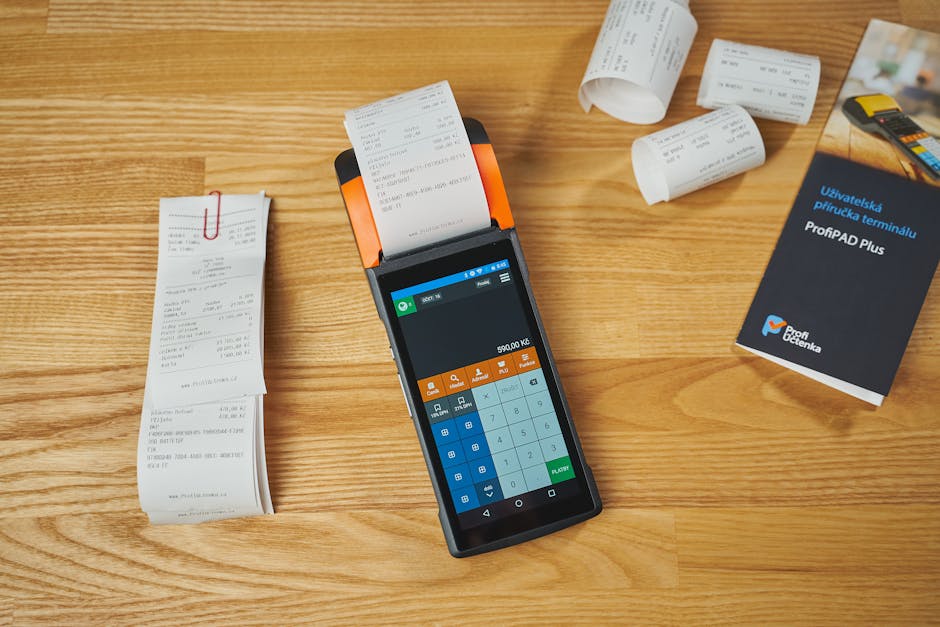
    Electronic payment terminal with receipts, showcasing modern transaction processing on a wooden desk.

    Set Up Payment Methods and Payout Terms

    Payment terms directly affect affiliate satisfaction and retention. The traditional net-30 or net-60 model (paying affiliates 30-60 days after a sale) was standard until 2024, but instant and weekly payouts have become competitive advantages in 2026.

    Your payment schedule needs to balance cash flow management with affiliate expectations. Net-30 gives you time to process refunds before paying commissions, but affiliates earning $50-200 monthly often abandon programs that delay payments this long.

    Common payout structures in 2026:

    • Instant payout at milestones: Pay immediately when affiliate hits $50, $100, or $250 thresholds
    • Weekly: Process all commissions over $25 every Friday (popular with active promoters)
    • Bi-weekly: Every other Friday for affiliates over $50 minimum
    • Monthly net-15: Pay on the 15th for previous month’s confirmed sales
    • Monthly net-30: Traditional model, increasingly seen as outdated

    Offer multiple payment methods to accommodate international affiliates. PayPal remains most popular for its global reach, but transaction fees of 2-3% add up. Direct bank transfer (ACH in the US, SEPA in Europe) costs less but takes 2-5 business days. Platforms like Affiliate Aura handle instant payouts through integrated payment processing, removing this administrative burden entirely.

    Set a minimum payout threshold between $25-$100. Lower thresholds attract newer affiliates but increase your transaction fee costs. Higher thresholds reduce fees but may discourage small promoters who want to see results quickly.

    Document your refund policy clearly. Most programs use a 30-day or 60-day clawback period where commissions are reversed if customers return products. This protects you from paying for canceled orders but must be communicated transparently.

    A diverse team of coworkers engaged in a productive meeting at a modern office conference table.

    Manage Affiliate Relationships and Performance

    Active relationship management separates thriving programs from abandoned ones. Your top 10% of affiliates will generate 60-80% of your affiliate revenue, and they need regular communication and support.

    Check your affiliate dashboard weekly to identify top performers and struggling partners. Reach out personally to affiliates who generated sales in their first month. A simple “I noticed you drove 5 sales last week, thank you” email takes 30 seconds and dramatically increases the likelihood they’ll promote again.

    Monthly management tasks:

    • Send a newsletter with new products, upcoming promotions, and top-performing content examples
    • Create 3-5 new promotional assets (images, videos, product descriptions) affiliates can use
    • Review and approve any custom discount codes affiliates requested
    • Analyze which products convert best through affiliate traffic and highlight them
    • Reach out to inactive affiliates (no promotions in 45+ days) with re-engagement offers

    Implement a tiered recognition system after 90 days. Affiliates who hit specific milestones (25 sales, 50 sales, 100 sales) unlock higher commission rates, exclusive products, or early access to launches. This gamification approach increases average affiliate lifespan by 4-6 months.

    Monitor for policy violations weekly. Common issues include affiliates bidding on your branded keywords in paid search, making false product claims, or violating FTC disclosure requirements. Address violations within 48 hours with clear documentation of the issue and consequences.

    Consider quarterly video calls with your top 10-15 affiliates. These 15-minute conversations build personal relationships and often surface product feedback or content ideas your team wouldn’t discover otherwise.

    Handle Legal Compliance and FTC Requirements

    Affiliate programs create legal obligations that most Shopify store owners overlook until they face problems. FTC disclosure requirements, tax reporting, and terms of service all need attention before you launch.

    The FTC requires affiliates to clearly disclose their financial relationship with your brand. This means visible statements like “I earn a commission if you purchase through my link” on blogs, #ad or #affiliate hashtags on social media, and verbal disclosures in videos. You’re responsible for educating affiliates about these requirements and monitoring compliance.

    Legal setup requirements:

    • Create detailed terms and conditions covering commission rates, payment terms, prohibited activities, and termination policies
    • Require affiliates to agree to FTC disclosure guidelines during signup
    • Collect W-9 forms (US) or equivalent tax documentation for affiliates who earn over $600 annually
    • Issue 1099 forms by January 31 for US affiliates meeting the threshold
    • Include GDPR-compliant data handling if you have European affiliates or customers
    • Specify geographic restrictions if you don’t ship to certain countries

    Consult with an attorney or tax professional when setting up your program, especially if you plan to recruit international affiliates. Different countries have varying requirements for contractor relationships and commission payments.

    Include a clear intellectual property clause in your terms. Affiliates can use your product images and descriptions for promotion but cannot claim ownership or modify your branding without permission.

    Budget $300-$800 for initial legal document preparation if you use a lawyer, or $50-$150 for customizable templates from services like Termly or TermsFeed. This upfront investment prevents expensive disputes later.

    Frequently Asked Questions

    What is the best Shopify affiliate program app to use?

    The best app depends on your specific needs, but prioritize platforms with real-time tracking, automated payouts, and strong affiliate dashboards. Affiliate Aura stands out for instant commission payouts and AI-powered affiliate matching, while UpPromote and Refersion offer robust feature sets for traditional net-30 payment models. Test 2-3 options using their free trials before committing to annual plans.

    How much commission should I offer affiliates?

    Commission rates vary by product category and profit margins. Fashion and accessories typically range from 8-15%, digital products from 20-40%, and high-ticket physical goods from 3-8%. Start with industry-standard rates for your niche, then test 2-3% increases for top performers after 90 days. Consider tiered structures that reward higher-volume affiliates with increased percentages.

    How do I track affiliate sales and commissions?

    Affiliate platforms use cookie-based tracking that assigns unique links to each affiliate. When someone clicks an affiliate’s link, a cookie stores that information for 30-90 days (your choice). If they purchase within that window, the sale is attributed to that affiliate and commission is calculated automatically. Most platforms provide real-time dashboards showing clicks, conversions, and earnings for both you and your affiliates.

    What payment methods should I offer affiliates?

    Offer at least two payment options to accommodate different affiliate preferences. PayPal provides global reach and fast transfers but charges 2-3% transaction fees. Direct bank transfer (ACH or SEPA) costs less but takes 2-5 business days. For international programs, consider adding Wise (formerly TransferWise) or Payoneer. Set minimum payout thresholds between $25-$100 to balance affiliate satisfaction with transaction costs.

    How do I recruit quality affiliates for my Shopify store?

    Start by identifying influencers and content creators already discussing products in your niche. Reach out personally with specific reasons why your products fit their audience. List your program on affiliate networks and directories. Create a dedicated landing page explaining your program benefits, commission rates, and signup process. Offer competitive rates and faster payment terms than competitors to attract established affiliates who have options.

    How long does it take to set up an affiliate program for a Shopify store?

    Basic setup takes 4-6 hours if you use a dedicated Shopify app. This includes choosing your platform, configuring commission rates, creating your terms and conditions, setting up tracking, and designing your signup form. Add another 2-3 hours for creating promotional assets and onboarding materials. Legal document preparation adds 1-2 weeks if you work with an attorney, or 1-2 hours if you use customizable templates.

    Do I need special legal documents to run an affiliate program?

    Yes, you need clear terms and conditions that outline commission rates, payment schedules, prohibited activities, FTC disclosure requirements, and termination policies. You also need systems to collect tax documentation (W-9 forms in the US) from affiliates earning over $600 annually and issue appropriate tax forms. Consider consulting an attorney for initial document preparation, especially if recruiting international affiliates, to ensure compliance with relevant jurisdictions.

    Ready to Get Started?

    Setting up an affiliate program for your Shopify store takes one focused afternoon if you follow this framework. The difference between programs that scale and those that stall comes down to three factors: competitive commission rates, reliable tracking technology, and fast payment processing.

    Most store owners underestimate how much faster payment terms improve affiliate retention. Moving from net-30 to weekly or instant payouts typically increases active affiliate count by 30-40% within six months.

    Affiliate Aura handles the technical complexity of real-time tracking, instant payouts, and affiliate matching so you can focus on building relationships with your best promoters. Create your account and launch your program in under an hour, with zero monthly fees until you start generating affiliate sales.