Tag: affiliate commissions

  • How Influencers Get Paid for Affiliate Marketing in 2026

    How Influencers Get Paid for Affiliate Marketing in 2026

    If you’re an influencer wondering how you’ll actually see money from those affiliate links you share, you’re not alone. The mechanics of affiliate payouts are rarely explained upfront. Most creators don’t realize that payment timelines, tracking methods, and commission structures vary wildly between programs. In 2026, the influencer economy has matured, but payment friction remains one of the biggest complaints among creators. Understanding exactly how influencers get paid for affiliate marketing will help you treat it like the real revenue stream it can be.

    Smiling woman using smartphone and ring light for live streaming indoors.

    What Affiliate Marketing Actually Means for Influencers

    Affiliate marketing is a performance-based income model where you earn a commission for driving sales or actions to a brand’s product. You promote a product using a unique tracking link or promo code, and when your audience clicks that link and completes a purchase, you get paid a percentage of the sale or a flat fee per conversion.

    The key difference from sponsored posts is that you’re not paid upfront. Your earnings depend entirely on your audience’s actions. A brand might pay you $500 for a single sponsored Instagram story, but an affiliate partnership could generate $50 or $5,000 depending on how many people buy through your link. This makes affiliate marketing scalable but also unpredictable, especially in your first few months.

    Most affiliate programs fall into three categories:

    • Direct brand programs: You apply directly to a company’s affiliate program, like Amazon Associates or Shopify’s affiliate initiative.
    • Affiliate networks: Platforms like ShareASale, CJ Affiliate, or Impact aggregate hundreds of brands, letting you join multiple programs through one dashboard.
    • Managed platforms: Tools like Affiliate Aura connect influencers with e-commerce merchants and handle tracking, payouts, and analytics in one place.

    Each model has different approval processes, commission rates, and payment schedules. Understanding these distinctions helps you choose programs that align with your content style and audience size.

    Close-up of a woman analyzing colorful charts and graphs in an office setting.

    How Influencers Get Paid for Affiliate Marketing: Commission Structures and Tracking

    You earn affiliate commissions when someone uses your unique link or promo code to complete a qualifying action. That action is usually a sale, but some programs pay for sign-ups, free trials, or app downloads. The brand’s affiliate platform tracks every click, attributes it to your account, and logs the conversion if it happens within a specific window.

    Here’s the step-by-step flow:

    • You share a product link (like example.com/product?ref=yourname) or a custom discount code in your content.
    • A follower clicks your link, and a tracking cookie is placed in their browser. This cookie has a lifespan, usually between 24 hours and 90 days.
    • If they purchase within that cookie window, the sale is attributed to you, and you earn the agreed commission rate.
    • The brand verifies the sale (checking for returns or fraud), then releases your commission after a holding period, typically 30 to 60 days.

    Cookie duration matters more than most creators realize. A 24-hour cookie means your follower must buy the same day they click. A 90-day cookie gives you credit even if they return weeks later. Always check cookie length before promoting a product, because a short window can cut your earnings in half on high-consideration purchases like electronics or furniture.

    Some platforms, including Affiliate Aura, offer real-time tracking dashboards for affiliate links so you can see clicks and conversions as they happen, rather than waiting weeks for a report. This transparency helps you double down on what’s working and pivot away from underperforming content quickly.

    A close-up view of a person holding and using a smartphone outdoors at night.

    When and How You Actually Receive Your Money

    Most affiliate programs pay on a net-30 or net-60 schedule, meaning you receive your commission 30 to 60 days after the sale is confirmed. This delay exists because brands need time to process returns, cancellations, and chargebacks. If a customer returns the product, your commission is reversed, so programs wait until the return window closes before paying you.

    Payment methods vary by program:

    • Direct deposit or ACH: The fastest and most common method in 2026, usually free of charge.
    • PayPal or digital wallets: Instant or near-instant, but some programs charge a small processing fee.
    • Paper checks: Rare now, but still used by a few legacy programs. Expect 7 to 14 days for delivery.
    • Store credit: Some brands pay in gift cards or account credit, which limits your flexibility.

    Minimum payout thresholds are another friction point. Many programs won’t pay you until you hit $50, $100, or even $500 in commissions. If you’re promoting lower-ticket items or just starting out, it can take months to reach that threshold. Platforms like Affiliate Aura have introduced instant payout models, releasing commissions as soon as you hit smaller milestones, which improves cash flow for newer creators.

    According to a 2026 report by Influencer Marketing Hub, 63% of affiliate marketers cite delayed payouts as a top frustration, with the average wait time between sale and payment sitting at 45 days across major networks.

    If consistent cash flow matters to you, prioritize programs with weekly or bi-weekly payouts, low minimums, and transparent tracking. The 60-day wait might not matter if you’re earning five figures monthly, but it’s a real barrier when you’re building momentum.
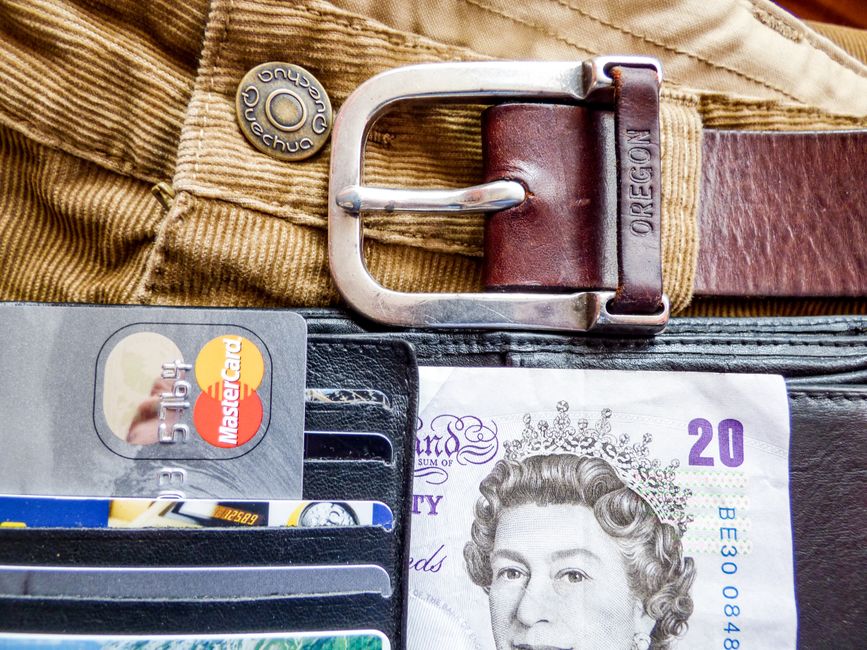
    A detailed image of a wallet containing credit cards, a leather belt, and currency, emphasizing personal finance.

    Disclosure Rules You Must Follow

    In 2026, affiliate disclosure isn’t optional. The Federal Trade Commission (FTC) in the U.S. and similar regulators worldwide require influencers to clearly disclose any financial relationship with a brand, including affiliate commissions. Failing to disclose can result in fines, loss of brand partnerships, and damage to your credibility with your audience.

    Your disclosure must be:

    • Clear and conspicuous: Use plain language like “I earn a commission if you buy through my link” or “This post contains affiliate links.” Vague phrases like “Thanks to [Brand] for supporting this content” don’t meet FTC standards.
    • Placed before the link: Don’t bury disclosures at the end of a caption or in a collapsed “read more” section. Viewers should see it before they click.
    • Visible on every platform: If you share an affiliate link in a YouTube video, Instagram story, TikTok, or blog post, each instance needs its own disclosure.

    Instagram and TikTok now offer built-in “Paid Partnership” tags, but these are designed for sponsored posts, not affiliate links. You still need to add a text disclosure in your caption or voiceover. A simple “#ad” or “#affiliate” at the start of your caption is legally compliant and doesn’t hurt engagement when your audience trusts your recommendations.

    Transparency builds trust. Audiences in 2026 are sophisticated enough to understand that creators need income, and most don’t mind affiliate links if you’re genuinely recommending products you use. Hiding the relationship, on the other hand, can backfire quickly.

    Back view of anonymous ethnic female in suit working with chart on computer while sitting at table in outdoor cafe during remote work

    Combining Affiliate Income with Other Revenue Streams

    Affiliate marketing works best when layered with other monetization methods, not as your sole income source. Most successful influencers in 2026 combine affiliate commissions with brand sponsorships, digital products, memberships, or ad revenue to create a diversified income portfolio.

    Here’s how they fit together:

    • Sponsored posts plus affiliate links: A brand pays you $1,000 for a dedicated post, and you also include your affiliate link in the caption. You get the upfront fee and ongoing commissions if followers buy later.
    • Affiliate links in evergreen content: Blog posts, YouTube videos, and Pinterest pins continue generating affiliate income months or years after you publish them, unlike one-time sponsorships.
    • Affiliate offers in email newsletters: If you have an email list, you can promote affiliate products without algorithm interference, often yielding higher conversion rates than social media.
    • Affiliate bonuses with digital products: Sell a course or ebook, then recommend related tools or products as affiliates inside the content. Your buyers are already engaged and more likely to convert.

    One trade-off to watch: some brands prohibit using affiliate links in paid ads or sponsored content without prior approval. Always read your affiliate agreement before mixing income streams, or you risk having your account terminated and commissions clawed back.

    Affiliate Aura’s analytics dashboard helps you see which revenue streams drive the most value, so you can allocate your time and content strategy accordingly. If your affiliate links generate more per hour of work than sponsored posts, you can shift your pitch strategy to focus on performance partnerships instead of flat fees.

    Smartphone mounted on a stabilizer in front of a green screen setup for video production.

    Choosing Products and Negotiating Better Commission Rates

    Not all affiliate programs are created equal, and the default commission rate you see when you sign up is often negotiable, especially once you prove you can drive sales. In 2026, top-performing influencers regularly negotiate custom rates, exclusive discount codes, and performance bonuses with brands.

    Start by promoting products that genuinely fit your niche and audience. A beauty influencer promoting web hosting tools will see low conversions and waste time. A tech reviewer promoting productivity software, on the other hand, can see conversion rates above 5% because the audience expects and values those recommendations.

    When evaluating a program, compare:

    • Commission rate: Physical products often pay 3% to 10%, while digital products and services can pay 20% to 50% or more.
    • Cookie duration: Longer windows (30 to 90 days) give you more credit for delayed purchases.
    • Average order value: A 5% commission on a $500 product earns you $25 per sale. A 30% commission on a $50 product earns you $15. Do the math based on your audience’s buying behavior.
    • Return rate: High-return products mean more reversed commissions. Check reviews and brand reputation before promoting.

    Once you’ve driven 10 to 20 sales through a program, reach out to your affiliate manager and ask if they offer performance tiers or custom rates for top affiliates. Many brands will bump your rate by 2% to 5% or offer a hybrid model where you get a base rate plus bonuses for hitting monthly sales targets. Platforms like Affiliate Aura’s marketplace to connect with brands also let you browse commission structures upfront, so you can compare offers before committing.

    Understanding Attribution Windows and Tracking Accuracy

    One of the least-discussed but most important aspects of how influencers get paid for affiliate marketing is attribution. If your tracking link doesn’t fire correctly, or if another affiliate’s cookie overwrites yours, you lose the commission even though you drove the initial interest.

    Here’s what affects your attribution:

    • Last-click attribution: Most programs use this model, meaning the last affiliate link clicked before purchase gets 100% of the commission. If a follower clicks your link, then clicks someone else’s link later, you get nothing.
    • Cookie overwrites: If a user clicks multiple affiliate links for the same product, the most recent click usually wins. This is why short cookie windows hurt you on high-consideration purchases.
    • Cross-device tracking gaps: If someone clicks your link on mobile but buys on desktop, some older tracking systems lose the attribution. Modern platforms use probabilistic matching or login-based tracking to solve this, but it’s not universal.
    • Ad blockers and privacy settings: In 2026, roughly 30% of users have some form of tracking protection enabled, which can block affiliate cookies. There’s no perfect solution, but using branded short links (like those offered by Affiliate Aura) and first-party tracking improves accuracy.

    To protect your commissions, use accurate click tracking tools for affiliate links and check your dashboard regularly for discrepancies. If you see a spike in clicks but no conversions, investigate whether your links are firing correctly or if the product page has technical issues. Some influencers also use UTM parameters alongside affiliate links to cross-reference traffic in Google Analytics, though this requires more technical setup.

    Transparency from the platform matters. If you can’t see real-time data or verify that clicks are being recorded, you’re flying blind. Look for programs that show you click timestamps, device types, and conversion paths, not just a monthly summary of sales.

    Frequently Asked Questions

    How do influencers get paid for affiliate marketing?

    Influencers earn commissions when their audience clicks a unique affiliate link or uses a promo code to complete a purchase. The brand’s tracking system attributes the sale to the influencer, and the commission is paid out after a verification period, typically 30 to 60 days. Payment methods include direct deposit, PayPal, or store credit, depending on the program. Some platforms now offer instant payouts once you hit smaller milestones.

    How much do influencers make from affiliate links?

    Earnings vary widely based on niche, audience size, and commission rates. Micro-influencers with 10,000 followers can earn $200 to $1,000 per month if they promote high-converting products, while influencers with 100,000+ engaged followers can make $5,000 to $20,000 monthly or more. Commission rates range from 3% for physical goods to 50% for digital products and software. Conversion rates typically fall between 1% and 5%, so a creator with 50,000 monthly visitors and a 3% conversion rate at $30 average commission would earn around $4,500.

    Do influencers need a large following to make money with affiliate marketing?

    No, you don’t need a massive audience to earn meaningful affiliate income. Micro-influencers with 5,000 to 20,000 highly engaged followers often outperform larger accounts because their audience trusts their recommendations and converts at higher rates. Focus on a specific niche, build trust, and promote products your audience actually needs. Even creators with 1,000 followers can earn their first commissions within weeks if they choose the right products and platforms.

    What are the best affiliate programs for influencers?

    The best programs depend on your niche, but popular options in 2026 include Amazon Associates for general products, ShareASale and CJ Affiliate for access to thousands of brands, and direct programs like Shopify’s affiliate initiative for tech and e-commerce creators. Platforms like Affiliate Aura are ideal for influencers who want instant payouts, real-time tracking, and direct connections with e-commerce merchants. Look for programs with competitive commission rates, long cookie windows, and transparent reporting.

    Do influencers have to disclose affiliate links?

    Yes, disclosure is legally required in most countries, including the U.S. under FTC guidelines. You must clearly state that you earn a commission if someone buys through your link, using plain language like “I earn a commission from purchases made through this link” or adding “#affiliate” at the start of your caption. The disclosure must appear before the link and be visible on every platform where you share the link. Failing to disclose can result in fines and loss of audience trust.

    How long does it take to get paid from affiliate marketing?

    Most programs pay 30 to 60 days after a sale is confirmed, allowing time for returns and cancellations to be processed. Some networks have minimum payout thresholds, like $50 or $100, which can delay your first payment if you’re just starting out. Newer platforms like Affiliate Aura offer instant or weekly payouts once you hit smaller milestones, which improves cash flow for creators building their affiliate income.

    Can influencers use affiliate links in paid ads?

    It depends on the affiliate program’s terms. Some brands allow affiliates to run paid ads using their links, while others prohibit it or require prior approval. Always read your affiliate agreement before spending money on ads, because violating the terms can result in account termination and forfeited commissions. If paid promotion is allowed, make sure your ads include proper disclosures and comply with platform advertising policies.

    Ready to Get Started?

    If you’re serious about turning affiliate marketing into a reliable income stream, the platform you choose matters as much as the products you promote. You need transparent tracking, fast payouts, and access to merchants who actually want to work with creators at your level.

    Affiliate Aura connects influencers with e-commerce brands looking for performance partnerships, not just big-name creators. You get real-time analytics, instant commission payouts when you hit milestones, and branded short links that look professional in your content. Whether you’re posting on Instagram, YouTube, TikTok, or your own blog, you can track every click and conversion without waiting weeks for a report.

    Sign up, browse available merchants, generate your links, and start earning. No upfront costs, no follower minimums, and no 60-day wait to see your money. Your audience is ready to buy. Make sure you’re ready to get paid.


  • Shopify Affiliate Program: Complete Guide & Tips (2026)

    Shopify Affiliate Program: Complete Guide & Tips (2026)

    The Shopify affiliate program pays you to promote the platform itself, not individual stores. This distinction confuses many affiliates. The program targets content creators, educators, and influencers who can refer new merchants. If you have an audience interested in starting or scaling an online business, this program offers recurring revenue potential that most product-based affiliate programs can’t match.

    Professional man drinking coffee and working on laptop in a cozy cafe setting.

    What Is the Shopify Affiliate Program?

    The Shopify Affiliate Program pays you for referring new merchants who sign up for Shopify’s paid plans. You earn commissions when your referrals convert from free trials to paying customers. This differs from promoting products sold on Shopify stores, which requires working directly with individual merchants or using Shopify affiliate marketing apps.

    Your commission structure depends on the plan your referral chooses. Shopify pays an average of $58 per new merchant signup in 2026, though this varies by plan tier and geographic location. The program operates on a 30-day cookie window, meaning you get credit if someone clicks your link and signs up within 30 days.

    Key program features include:

    • Recurring commissions for the first two months of each referral’s subscription
    • Access to promotional materials, banners, and tracking dashboards
    • Support from a dedicated affiliate team for approved partners
    • Monthly payouts via PayPal once you reach the $25 minimum threshold

    The program works best for content creators who already discuss e-commerce, entrepreneurship, or online business topics. Your audience needs to be in a position to start or migrate an online store, not just shop for products.

    Group of professionals engaged in a business presentation examining charts on a large screen.

    Eligibility Requirements and Application Process

    Shopify reviews every application manually. They prioritize affiliates with established audiences and relevant content. You need an active website, blog, YouTube channel, or social media presence focused on e-commerce, business, or entrepreneurship topics.

    The application requires you to provide:

    • Your primary content platform URL with at least 3 months of consistent publishing history
    • Audience demographics and size metrics
    • Examples of how you plan to promote Shopify
    • Previous affiliate marketing experience (helpful but not required)

    Shopify typically responds within 5 to 7 business days. Approval rates have tightened in 2026 as the program focuses on quality over quantity. They reject applications from affiliates using paid search ads that bid on Shopify’s brand terms or those without clear audience engagement metrics.

    If rejected, you can reapply after 90 days. Use this time to build your content library and audience. Focus on creating tutorials about starting online businesses, e-commerce strategy guides, or platform comparison content. These topics naturally align with what Shopify looks for in partners.

    Once approved, you gain access to the Impact partner dashboard where you generate tracking links and monitor performance. The onboarding process includes training materials and best practice guides specific to promoting SaaS products.

    A detailed view of a man signing official documents with a pen at a table.

    Shopify Affiliate Program Commission Structure and Payment Terms

    Shopify pays a flat rate per successful merchant referral, not a percentage of sales. In 2026, the average commission ranges from $50 to $150 depending on the plan tier your referral selects. Basic plan signups earn less than Shopify Plus referrals.

    The payment model includes these specifics:

    • You earn 100% of the commission for month one and month two of the merchant’s subscription
    • No commissions on free trial periods, only paid subscriptions
    • Chargebacks deducted if a merchant cancels within 60 days
    • Payouts processed monthly via PayPal with a $25 minimum threshold

    According to Impact’s 2026 Affiliate Benchmark Report, SaaS affiliate programs with recurring commission structures see 42% higher affiliate retention rates compared to one-time payout models, making programs like Shopify’s particularly attractive for long-term partnership strategies.

    The recurring element means one referral generates income for two months. A merchant paying $79/month for the Basic plan generates approximately $100 in total commissions over that period. This model rewards affiliates who drive quality referrals that stick with the platform.

    Payment delays rarely occur since Shopify uses Impact’s automated system. You receive funds around the 15th of each month for the previous month’s confirmed commissions. Track everything through the Impact dashboard, which shows pending, approved, and paid commissions in real time, similar to how modern affiliate dashboards provide transparency.

    Close-up of a smartphone screen displaying various social media and app icons.

    Best Strategies to Promote the Shopify Affiliate Program

    Tutorial content converts better than promotional content for SaaS affiliate programs. Your audience needs to understand how Shopify solves their specific problem before they’ll sign up through your link. Create content that demonstrates the platform’s value rather than just listing features.

    High-performing content types include:

    • Step-by-step store setup tutorials with screen recordings
    • Platform comparison articles (Shopify vs WooCommerce, Shopify vs BigCommerce)
    • Case studies of successful Shopify stores in specific niches
    • Problem-solving guides for common e-commerce challenges

    Video content performs particularly well for this program. YouTube tutorials showing actual store creation drive 3x more conversions than text-only content according to Shopify’s internal affiliate performance data. Consider using tools like Affiliate Aura’s AI UGC video feature to create product demonstration content at scale without hiring video agencies.

    SEO-focused blog content provides long-term value. Target keywords like “how to start a dropshipping business” or “best e-commerce platform for beginners” where searchers have high intent to start an online store. These evergreen pieces continue generating referrals months after publication.

    Email marketing works if you’ve built a list interested in online business topics. Send educational series about e-commerce fundamentals with Shopify positioned as the implementation tool. Avoid aggressive promotional emails, which damage trust and reduce conversion rates.

    Your affiliate links should appear naturally within helpful content. Place them after you’ve demonstrated value or solved a problem, not in the introduction before readers understand the context.

    Young woman adjusting a camera on a tripod in a stylish kitchen, with natural lighting. Perfect for creative or lifestyle themes.

    Common Challenges and How to Overcome Them

    The 30-day cookie window creates urgency but also limits conversion opportunities. Many people research e-commerce platforms for 60 to 90 days before committing. Your referral might click your link, continue researching elsewhere, and sign up through a different affiliate’s link later.

    Combat this by creating content for different stages of the decision process. Early-stage content builds awareness and gets your link clicked first. Follow-up content targeting specific objections or use cases brings people back to click again within the cookie window.

    High competition in the Shopify affiliate space means you’re competing with established review sites and YouTube channels. You can’t outspend them on ads or outrank them immediately. Instead, focus on specific niches where you have expertise or audience access.

    Target underserved markets:

    • Specific product categories (handmade goods, digital products, subscription boxes)
    • Geographic regions with growing e-commerce adoption
    • Business models (print-on-demand, dropshipping, wholesale)
    • Audience demographics (retirees starting side businesses, creative professionals)

    Chargebacks hurt when merchants cancel within 60 days. This happens more often with referrals who weren’t properly qualified. Focus on attracting serious entrepreneurs who understand the commitment required to run an online store. Content that sets realistic expectations filters out tire-kickers who’ll cancel quickly.

    Tracking attribution issues occasionally occur when users click multiple affiliate links or use different devices. The Impact platform handles most of this automatically, but some conversions slip through. This affects all affiliates equally, so focus on volume to offset occasional lost commissions.

    Man showing stress and frustration while working remotely on a laptop indoors.

    Shopify Affiliate Program vs Running Your Own Affiliate Network

    Promoting Shopify’s affiliate program differs fundamentally from creating your own affiliate program for a Shopify store. The Shopify program pays you to recruit new merchants to the platform. Your own program pays affiliates to drive sales to your specific store.

    Shopify’s program advantages:

    • No product creation, inventory, or customer service required
    • Established brand recognition makes conversions easier
    • Professional tracking and payment infrastructure provided
    • Recurring revenue model from subscription payments

    Running your own affiliate program advantages:

    • Higher commission potential per conversion (you control the rates)
    • You own the customer relationship and future purchase value
    • No competition with other affiliates for the same conversions
    • Flexibility to adjust terms and experiment with incentives

    Many e-commerce entrepreneurs do both. They promote Shopify to their audience interested in starting stores while running their own affiliate program to drive sales to their products. Platforms like Affiliate Aura make managing your own program simple with real-time tracking and instant payouts that match or exceed what Shopify offers its affiliates.

    The decision depends on your audience composition. If most followers want to start businesses, Shopify’s program fits better. If they’re potential customers for your products, your own program generates more revenue. Content creators with mixed audiences benefit from segmenting their content strategy to address both groups.

    Tools and Resources for Shopify Affiliates

    The Impact dashboard provides basic tracking, but successful Shopify affiliates use additional tools to optimize their promotional efforts. Link management becomes critical when you’re promoting across multiple platforms and content pieces.

    Essential tools include:

    • Link shortening services with custom domains for cleaner, more trustworthy URLs
    • Analytics platforms that show which content pieces drive the most referrals
    • Email marketing software for nurturing leads over the extended decision timeline
    • SEO tools for identifying high-intent keywords your target audience searches

    Affiliate Aura’s platform offers many of these features in one place, including custom domain link shortening and accurate click tracking. While built primarily for merchants managing their own affiliate programs, the tools work equally well for affiliates tracking multiple programs including Shopify’s.

    Shopify provides approved affiliates with promotional assets including banner ads, logos, and pre-written copy. These materials help but shouldn’t replace original content. Your unique perspective and authentic recommendations convert better than generic promotional materials.

    Join affiliate marketing communities and forums where Shopify affiliates share strategies. The Impact partner community includes discussion boards where you can learn from top performers. Many successful affiliates openly share what’s working in 2026 since the market is large enough that collaboration benefits everyone.

    Stay updated on Shopify’s product releases and feature announcements. New features give you fresh content angles and reasons to reach out to your audience again. Shopify’s partner blog and email updates keep you informed about changes that might affect your promotional strategy.

    Frequently Asked Questions

    How much does it cost to join the Shopify affiliate program?

    The Shopify affiliate program is completely free to join. There are no signup fees, monthly charges, or performance quotas. You only need an approved application and a platform where you can promote Shopify to your audience. Shopify covers all tracking technology and payment processing costs.

    What are the commission rates for Shopify affiliates in 2026?

    Shopify pays an average of $58 per successful merchant referral in 2026, with rates ranging from $50 to $150 depending on the plan tier your referral selects. You earn commissions for the first two months of each merchant’s paid subscription. Payments process monthly via PayPal once you reach the $25 minimum threshold.

    How long does Shopify affiliate program approval take?

    Shopify typically reviews applications within 5 to 7 business days. Approval depends on your content quality, audience relevance, and promotional strategy. They prioritize affiliates with established platforms focused on e-commerce, entrepreneurship, or business topics. If rejected, you can reapply after 90 days with improved content and audience metrics.

    Can I promote individual Shopify stores as an affiliate?

    No, the Shopify affiliate program only pays for referring new merchants to Shopify itself, not for promoting products from individual Shopify stores. To earn commissions from specific Shopify stores, you need to join those merchants’ individual affiliate programs or work through third-party networks. Many Shopify merchants manage their own programs using dedicated affiliate management platforms.

    What is the cookie duration for Shopify affiliate links?

    Shopify affiliate links use a 30-day cookie window. You receive credit if someone clicks your affiliate link and signs up for a paid Shopify plan within 30 days. This relatively short window means you need to target audiences with high purchase intent who are actively researching e-commerce platforms rather than just casually browsing.

    Do Shopify affiliates earn recurring commissions?

    Yes, but only for the first two months of each merchant’s subscription. You earn your full commission amount for month one and month two of their paid plan. After that, you receive no further commissions from that referral. This differs from true lifetime recurring programs but still provides more value than single-payment affiliate models.

    Who should join the Shopify affiliate program?

    The program works best for content creators, educators, and influencers whose audiences are interested in starting or growing online businesses. Ideal candidates include business bloggers, YouTube channels covering entrepreneurship, podcast hosts discussing e-commerce, and online course creators teaching digital business skills. You need an established platform with consistent content production and engaged followers considering starting an online store.

    Ready to Get Started?

    The Shopify affiliate program offers solid recurring revenue if you have the right audience and content strategy. Focus on creating genuinely helpful tutorials and guides that demonstrate value before asking for the signup. Quality referrals who stick with Shopify generate more income than high volumes of unqualified clicks.

    If you’re also running your own e-commerce business, consider building your own affiliate program alongside promoting Shopify. Affiliate Aura provides the same professional tracking, instant payouts, and analytics that make Shopify’s program successful, but for your own products and store. You can manage both strategies simultaneously, promoting Shopify to aspiring merchants while recruiting affiliates to promote your products.

    Start by applying to Shopify’s program if you meet the eligibility requirements. While waiting for approval, create your first piece of educational content about starting an online store. Whether you’re accepted immediately or need to build your platform first, the content you create now becomes the foundation for long-term affiliate revenue.