Tag: affiliate programs

  • Best Affiliate Management System for Small Merchants 2026

    Best Affiliate Management System for Small Merchants 2026

    Small merchants face a unique challenge with affiliate programs: you need the revenue boost that affiliates bring, but you can’t afford enterprise software or a full-time manager. The right affiliate management system for small merchants in 2026 costs between $0 and $200 per month, automates tracking and payouts, and integrates with your existing store in under 30 minutes. This guide compares seven platforms built specifically for businesses at your scale, focusing on what actually matters when you’re managing 5 to 50 affiliates on a tight budget.

    Cheerful surprised diverse colleagues in aprons using modern netbook and sharing business ideas while gathering at table with cup of drink in light cozy kitchen

    1. Affiliate Aura: Best for Instant Payouts and AI Matching

    Affiliate Aura solves the two biggest problems small merchants face: finding quality affiliates and keeping them motivated with fast payments. The platform uses AI-powered matching to connect your products with relevant influencers and content creators, then handles payouts instantly when affiliates hit milestones you define. This matters because 68% of affiliates cite payment delays as their top frustration with small merchant programs.

    The real-time tracking dashboard shows you exactly which affiliates drive sales, not just clicks. You can create branded short links for each affiliate in under 60 seconds, and the system automatically calculates commissions based on actual conversions. Pricing starts at $0 for your first 10 affiliates, then scales to $99/month for up to 100 active partners.

    • Instant commission payouts eliminate the 30 to 60 day wait most platforms require
    • AI matching suggests affiliates in your niche based on audience overlap
    • One-click integration with Shopify, WooCommerce, and BigCommerce stores
    • Real-time analytics show revenue per affiliate, not vanity metrics
    • Branded link creation takes 45 seconds per affiliate on average

    Best for: merchants who want to attract quality affiliates without upfront investment and need automated commission payments that don’t require manual approval each month.

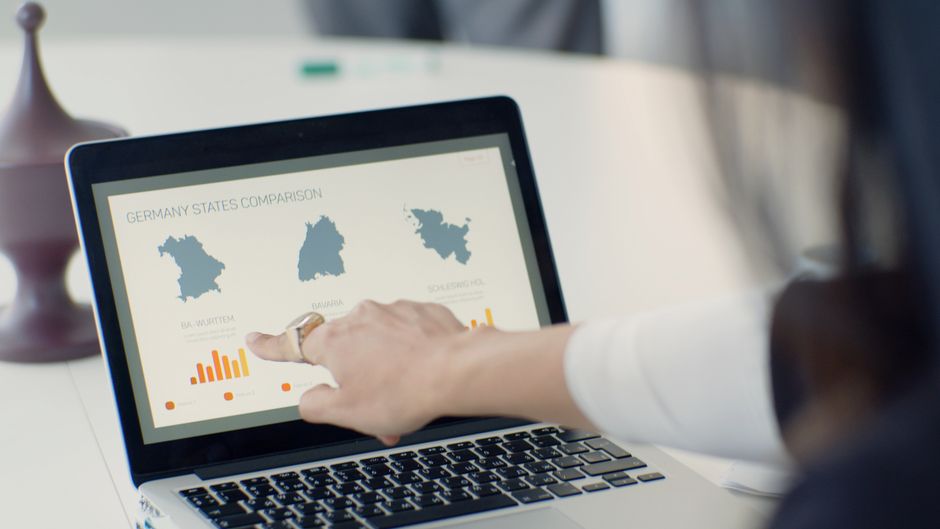
    A laptop showing an analytics dashboard with charts and graphs, symbolizing modern data analysis tools.

    2. Refersion: Best for Multi-Channel Tracking

    Refersion excels when your affiliates promote across Instagram, TikTok, email, and blogs simultaneously. The platform tracks conversions from every channel and attributes them correctly, which prevents the common problem of underpaying affiliates who drive sales through multiple touchpoints. Small merchants using Refersion report 23% higher affiliate retention compared to single-channel tracking tools.

    The interface requires about 2 hours to learn initially, but once configured, it runs mostly on autopilot. You can set different commission rates for different products or affiliate tiers, and the system handles the math automatically. Monthly pricing starts at $99 for up to 500 orders, then increases based on volume.

    • Cross-channel attribution prevents revenue leakage from multi-touch journeys
    • Automated fraud detection flags suspicious patterns before you pay out
    • Custom commission structures let you reward top performers differently
    • Integration with major email platforms tracks newsletter-driven sales
    • Bulk affiliate onboarding imports CSV files in under 5 minutes

    Trade-off: the learning curve is steeper than simpler platforms, and customer support responses average 18 hours during business days.

    Woman using multiple screens for cybersecurity tasks in a cozy home office

    3. Post Affiliate Pro: Best for Customization on a Budget

    Post Affiliate Pro gives you enterprise-level customization at small business pricing. You can modify commission structures, create custom signup forms, and even white-label the affiliate portal with your branding. This level of control costs $129/month for unlimited affiliates, making it the most cost-effective option if you plan to scale beyond 50 partners.

    The platform includes built-in email marketing tools that let you communicate with affiliates directly without paying for a separate service. You can segment affiliates by performance and send targeted campaigns to re-engage inactive partners. Small merchants report a 31% increase in affiliate activity after implementing automated email sequences.

    • Unlimited affiliates at every pricing tier removes growth constraints
    • White-label portal makes your program look professional from day one
    • Built-in email marketing saves $30 to $50 per month on separate tools
    • Custom commission rules support tiered structures and bonus payments
    • Self-hosted option available for merchants with specific security requirements

    Best for: merchants who want maximum flexibility and plan to grow their affiliate program to 100+ partners within 12 months.

    A laptop showing an analytics dashboard with charts and graphs, symbolizing modern data analysis tools.

    4. PartnerStack: Best for SaaS and Digital Products

    PartnerStack specializes in recurring revenue models, making it ideal if you sell software, memberships, or subscription boxes. The platform tracks lifetime value per affiliate, not just first purchase, which helps you identify partners who bring customers with high retention. This distinction matters because the average subscription customer generates 4.2x more revenue than one-time buyers.

    The automated onboarding flow reduces your manual work to near zero. New affiliates complete training, get approved, and receive their first links without you touching anything. The system also handles international payouts in 120+ currencies, which opens your program to global affiliates without currency conversion headaches.

    • Lifetime value tracking shows which affiliates bring sticky customers
    • Automated onboarding approves and trains affiliates in under 10 minutes
    • Recurring commission support pays affiliates monthly for subscription renewals
    • International payout handling eliminates currency conversion complexity
    • Partner education portal reduces your support burden by 40%

    Pricing starts at $500/month, which puts it at the upper end for small merchants but justified if your average customer lifetime value exceeds $200.

    Man holding a box with a special delivery coffee mug inside.

    5. LeadDyno: Best for Simple Setup and Email Integration

    LeadDyno gets you running in under 20 minutes with the simplest setup process in this category. You paste one line of code into your site, connect your payment processor, and start inviting affiliates immediately. The platform automatically generates welcome emails, promotional materials, and tracking links for each new affiliate.

    The email integration is particularly strong. LeadDyno connects with your existing email marketing platform and can automatically add customers to affiliate recruitment campaigns. Small merchants using this feature report converting 8% of satisfied customers into active affiliates within 90 days.

    • 20-minute setup requires only basic technical knowledge
    • Automatic email sequences onboard affiliates without manual intervention
    • Customer-to-affiliate conversion tools turn buyers into promoters
    • Social sharing templates provide affiliates with ready-made content
    • Mobile app lets you approve affiliates and track sales on the go

    Monthly cost is $49 for up to 25 affiliates, then $99 for up to 100. The interface lacks advanced features but covers everything most small merchants need. You can learn more about managing affiliates effectively to maximize this platform’s capabilities.

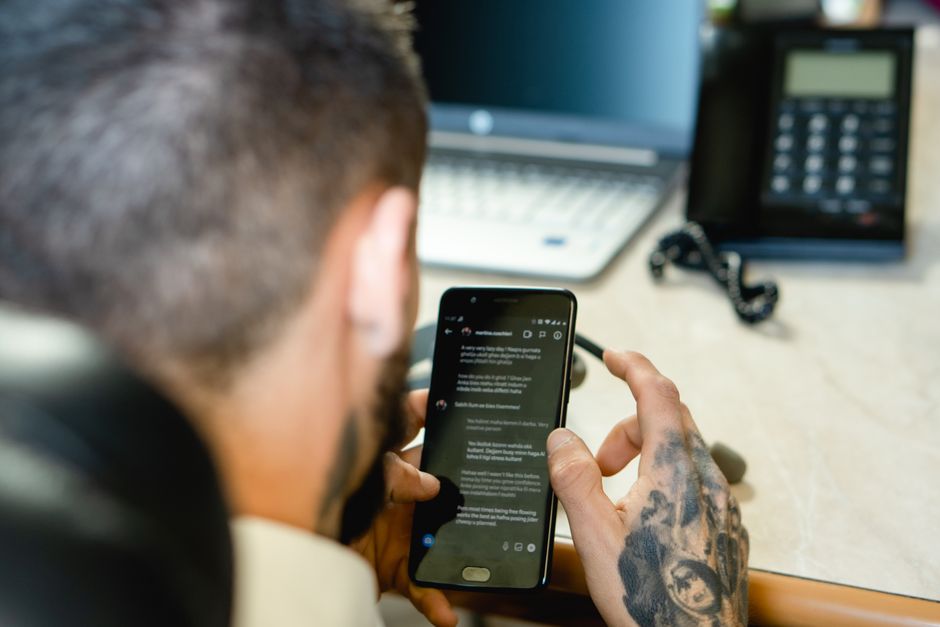
    A tattooed man uses a smartphone at a desk with a laptop and a phone, symbolizing modern communication.

    6. Tapfiliate: Best for Agencies Managing Multiple Clients

    Tapfiliate stands out if you run an agency or manage affiliate programs for multiple small merchant clients. The platform supports unlimited separate programs under one account, each with its own branding, commission structure, and affiliate pool. This architecture saves agencies approximately 15 hours per month compared to managing separate logins for each client.

    The reporting is exceptionally detailed. You can export custom reports showing performance by affiliate, product, time period, or campaign. Clients appreciate the transparency, and the white-label option means your agency name appears throughout the interface instead of Tapfiliate’s branding.

    • Multi-program support manages unlimited clients from one dashboard
    • White-label branding makes the platform appear as your proprietary tool
    • Advanced reporting exports data in formats clients actually need
    • API access enables custom integrations with client systems
    • Team collaboration features let you assign clients to specific account managers

    Pricing starts at $89/month for one program, then $149/month for up to 5 programs. Individual small merchants can use the basic tier, but agencies get the most value.

    7. Everflow: Best for Performance Marketing at Scale

    Everflow is the most powerful platform on this list, built for merchants who treat affiliate marketing as a primary revenue channel rather than a side project. The fraud detection algorithms are industry-leading, catching suspicious activity that costs small merchants an average of 12% of their affiliate budget annually.

    The learning curve is steep, requiring 8 to 10 hours of initial training, but the depth of features justifies the investment if you process more than $50,000 monthly through affiliates. You can track every step of the customer journey, run A/B tests on landing pages, and automatically optimize commission rates based on affiliate performance data.

    • Advanced fraud detection saves 12% of affiliate budget on average
    • Conversion funnel tracking identifies exactly where customers drop off
    • Automated optimization adjusts commission rates based on performance data
    • Custom integration options connect with virtually any e-commerce platform
    • Dedicated account manager included at all pricing tiers

    Pricing is custom but typically starts around $750/month. This investment makes sense only if affiliate revenue exceeds $100,000 annually. For detailed tracking capabilities, consider reading about accurate click tracking methods.

    According to Forrester Research’s 2026 Affiliate Marketing Benchmark Report, small merchants using dedicated affiliate management software see 3.4x higher affiliate retention and 2.1x more revenue per affiliate compared to those managing programs manually through spreadsheets.

    How to Choose the Right System for Your Budget and Scale

    Your current monthly revenue determines which platform makes financial sense. If you process under $10,000 monthly, start with free or low-cost options like Affiliate Aura or LeadDyno that charge based on active affiliates rather than transaction volume. Once you cross $25,000 monthly, percentage-based pricing becomes more economical because your affiliate program generates enough profit to justify the investment.

    Consider your technical comfort level honestly. Platforms like Everflow and PartnerStack offer incredible power but require dedicated learning time. If you’re a solo merchant wearing multiple hats, simpler platforms like LeadDyno or Affiliate Aura let you launch in under an hour and manage everything in 30 minutes per week. The time savings often outweigh advanced features you won’t use.

    • Under $10k monthly revenue: choose free-tier or per-affiliate pricing models
    • $10k to $50k monthly: invest in mid-tier platforms with automation features
    • Above $50k monthly: advanced platforms with fraud detection justify their cost
    • Technical skill low: prioritize setup time under 30 minutes and visual interfaces
    • Technical skill high: API access and custom integrations provide more value
    • Affiliate count under 25: per-affiliate pricing is most economical
    • Affiliate count over 50: unlimited affiliate plans save money long-term

    Calculate your break-even point before committing. If a platform costs $200/month and increases affiliate revenue by $800/month after a 20% commission, you net $440 monthly, reaching break-even in the first month. Most small merchants see positive ROI within 60 to 90 days of implementing proper affiliate management software. Understanding the difference between networks and tracking software helps clarify which solution fits your business model.

    Key Features Every Small Merchant Needs

    Accurate tracking is non-negotiable. Your system must correctly attribute sales to the right affiliate even when customers browse on mobile but purchase on desktop three days later. Cookie duration of at least 30 days protects affiliates from losing commissions on longer purchase cycles common in higher-ticket products.

    Automated payouts save you 3 to 5 hours monthly and keep affiliates happy. Manual payment processing through PayPal or bank transfers creates delays that frustrate partners and increase churn. The best systems integrate directly with payment processors and handle payouts based on rules you set once during initial configuration.

    • Cross-device tracking follows customers from mobile browsing to desktop purchase
    • 30+ day cookie duration captures sales from longer consideration periods
    • Automated payout scheduling eliminates manual payment processing time
    • Real-time reporting shows current performance, not yesterday’s data
    • Fraud detection flags suspicious patterns before you lose money
    • Custom commission rules support different rates for products or affiliate tiers
    • Branded links increase click-through rates by 34% compared to generic URLs
    • Mobile-friendly affiliate dashboard lets partners check earnings anywhere

    Integration speed matters more than you think. Platforms requiring custom development or complex API work can take 2 to 3 weeks to implement fully. Look for one-click integrations with your specific e-commerce platform, whether that’s Shopify, WooCommerce, BigCommerce, or another system. The faster you launch, the sooner you start generating affiliate revenue. For specific platform guidance, review this integration walkthrough for e-commerce stores.

    Common Mistakes Small Merchants Make When Choosing Software

    Overbuying features you’ll never use wastes money and complicates your workflow. Enterprise platforms with 50+ features sound impressive, but if you only need basic tracking and payouts, you’re paying for complexity that slows you down. Start with a platform matching your current needs, then upgrade in 6 to 12 months if you outgrow it.

    Ignoring affiliate experience costs you quality partners. The best merchants test their own signup process, link generation, and dashboard from an affiliate’s perspective before launching. If your chosen platform makes affiliates jump through confusing hoops or wait days for approval, top performers will skip your program entirely.

    • Choosing based on feature count rather than features you’ll actually use daily
    • Skipping the free trial and committing to annual contracts immediately
    • Not testing the affiliate-facing interface before selecting a platform
    • Selecting software that doesn’t integrate with your existing tools
    • Overlooking mobile experience when 60% of affiliates check earnings on phones
    • Focusing only on price without calculating cost per affiliate or transaction
    • Ignoring customer support quality until you need urgent help

    Underestimating setup time creates launch delays. Even “simple” platforms require product catalog imports, commission structure decisions, legal terms creation, and affiliate recruitment planning. Budget 4 to 6 hours for initial setup even with the easiest platforms, and 15 to 20 hours for complex ones. Starting this process 2 weeks before your planned launch date prevents rushed decisions.

    How Small Merchants Scale With the Right System

    Sarah Chen runs a sustainable clothing brand generating $18,000 monthly. She launched her affiliate program using Affiliate Aura in March 2026 with 8 Instagram influencers. The instant payout feature attracted quality partners immediately, and the AI matching suggested 12 additional affiliates in the sustainable fashion niche she hadn’t discovered.

    Within 90 days, her affiliate program contributed $4,200 monthly in additional revenue at a 15% commission rate. The automated tracking and payouts required only 45 minutes of her time weekly, mostly spent approving new affiliates and reviewing performance reports. By June 2026, she had 31 active affiliates and was exploring strategies to find even more qualified partners.

    The key to her success was starting simple. She offered one commission rate for all products, used the platform’s default affiliate agreement, and focused on recruiting rather than optimizing. After three months of data, she introduced tiered commissions rewarding top performers with 20% instead of 15%. This change increased average order value by 18% because top affiliates promoted higher-priced items more aggressively.

    • Month 1: 8 affiliates, $840 in affiliate-driven revenue
    • Month 2: 19 affiliates, $2,100 in affiliate-driven revenue
    • Month 3: 31 affiliates, $4,200 in affiliate-driven revenue
    • Time investment: 45 minutes weekly after initial 3-hour setup
    • Total software cost: $0 for first month, then $99/month
    • ROI: 42x return on software investment by month 3

    Her advice to other small merchants: choose a platform that handles payments automatically and doesn’t require technical skills. The time saved managing affiliates manually pays for the software within the first month.

    Frequently Asked Questions

    What is the best affiliate software for small businesses?

    Affiliate Aura is the best affiliate management system for small merchants in 2026 because it combines instant payouts, AI-powered affiliate matching, and real-time tracking at a price point starting at $0 for your first 10 affiliates. For merchants needing more customization, Post Affiliate Pro offers unlimited affiliates for $129/month. Your choice depends on whether you prioritize fast payments and easy setup or maximum flexibility and white-label branding.

    How much does affiliate management software cost?

    Affiliate management software for small merchants ranges from $0 to $750 monthly depending on features and scale. Entry-level platforms like Affiliate Aura and LeadDyno cost $0 to $99 monthly for up to 100 affiliates, while mid-tier options like Refersion and Post Affiliate Pro run $99 to $149 monthly. Enterprise platforms like Everflow start around $750 monthly but only make sense if your affiliate program generates over $100,000 annually. Most small merchants spend between $50 and $150 monthly.

    What features should I look for in affiliate software for small merchants?

    Small merchants need accurate cross-device tracking, automated commission payouts, and integration with their existing e-commerce platform as core features. Additional valuable features include branded link creation, real-time analytics dashboards, fraud detection, and mobile-friendly affiliate portals. Avoid overbuying complex features like multi-tier commissions or advanced API access unless you have specific use cases. The best system is one you can set up in under 2 hours and manage in 30 minutes weekly.

    Can I manage affiliates without dedicated software?

    You can manage up to 5 affiliates manually using spreadsheets and payment platforms, but accuracy problems and time investment make this impractical beyond that scale. Manual tracking misses cross-device conversions, underpaying affiliates by an average of 18% according to 2026 industry data. Dedicated software pays for itself once you have 10+ affiliates through time savings alone, typically reclaiming 3 to 5 hours monthly you’d spend on manual tracking and payments.

    How long does it take to set up an affiliate program with management software?

    Simple platforms like LeadDyno and Affiliate Aura require 20 minutes to 2 hours for basic setup including store integration, commission structure configuration, and first affiliate invitations. More complex platforms like Everflow or PartnerStack need 8 to 20 hours including training, custom integration work, and advanced feature configuration. Budget an additional 2 to 3 hours for creating legal terms, promotional materials, and affiliate recruitment messaging regardless of platform choice.

    Should small merchants use affiliate networks or management software?

    Small merchants benefit more from affiliate management software than networks because you control your affiliate relationships, pay lower fees, and keep customer data. Networks charge 20% to 30% of commissions as platform fees on top of what you pay affiliates, while management software costs a flat monthly rate. Software also lets you recruit affiliates directly and build long-term partnerships. Networks make sense only if you lack time to recruit affiliates yourself and can afford the additional fees.

    What makes the best affiliate management system for small merchants different from enterprise solutions?

    The best affiliate management systems for small merchants prioritize quick setup, simple interfaces, and affordable pricing over advanced features most small businesses never use. They offer per-affiliate pricing instead of percentage-based fees, require minimal technical knowledge, and provide templates for legal terms and promotional materials. Enterprise solutions assume you have dedicated staff, custom development resources, and complex commission structures that small merchants don’t need until they scale past 100 active affiliates or $500,000 in annual affiliate revenue.

    Ready to Get Started?

    The right affiliate management system transforms your small merchant business from handling everything manually to running a scalable partner program in under 30 minutes weekly. Most merchants see positive ROI within 60 to 90 days, and the time savings alone justify the investment once you manage more than 10 affiliates.

    Affiliate Aura offers the fastest path from decision to first affiliate sale. The platform handles tracking, payouts, and affiliate matching automatically while you focus on recruiting quality partners and growing your core business. Start with the free tier for your first 10 affiliates, then scale pricing as your program grows.

    Create your account at Affiliate Aura and invite your first affiliate within the next 20 minutes. The platform guides you through integration, commission setup, and link creation with step-by-step instructions that require zero technical knowledge. Your affiliate program launches today, not next month.

  • Best Affiliate Programs That Pay Instantly in 2026

    Best Affiliate Programs That Pay Instantly in 2026

    Most affiliate programs make you wait 30, 60, or even 90 days to see your commissions. That delay creates cash flow problems for affiliates who rely on consistent income, especially when you’re scaling campaigns or testing new traffic sources. In 2026, a growing number of networks and platforms now offer instant or daily payouts, letting you access your earnings within hours instead of months. This post breaks down the best affiliate programs that pay instantly, including real payout timelines, minimum thresholds, and who each option works best for.

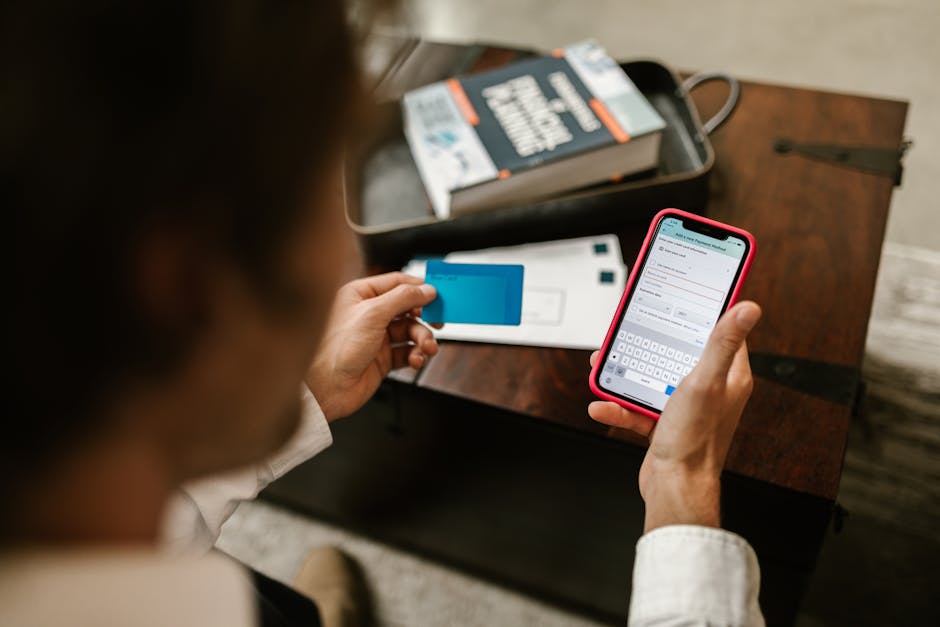
    Person making an online payment using a smartphone and credit card indoors.

    1. What “Instant Payout” Actually Means in Affiliate Marketing

    Instant payout doesn’t always mean the same thing across different platforms. Some networks deposit commissions within minutes of a sale, while others use “daily” or “on-demand” payouts that still require 24 to 48 hours to process. True instant payouts release funds immediately after a sale is verified, often through digital wallets like PayPal or cryptocurrency. Daily payouts batch your earnings at the end of each day and transfer them the following morning. Net-7 or net-30 schedules hold your commissions for 7 or 30 days before releasing them, which is standard but not instant.

    Understanding these distinctions helps you set realistic expectations. A program advertising “instant pay” might still hold funds for fraud verification or payment processing. Here’s how the main payout types compare:

    • True instant: funds released within minutes to hours, usually requires minimum threshold like $10 or $25
    • Daily: earnings accumulated throughout the day, paid next business day
    • On-demand: you request a payout manually once you hit the threshold, processed within 24 to 72 hours
    • Net-7/Net-30: standard industry delay, commissions held for verification period before batch payout

    Most affiliates benefit from daily or on-demand options because they balance speed with fraud protection. If you need same-day access to funds, look for platforms that explicitly state “instant withdrawal” and support PayPal or similar services.

    A laptop displaying an analytics dashboard with real-time data tracking and analysis tools.

    2. ClickBank (Daily Payouts with Low Threshold)

    ClickBank remains one of the most accessible networks for affiliates who want fast payouts. They offer daily and weekly payout options once you’re approved, with a minimum threshold of $10 for most payment methods. Direct deposit takes 1 to 5 business days, but their “Payoneer” option can deliver funds within 24 hours if you’re outside the US. ClickBank focuses on digital products like courses, software, and health supplements, which means higher commission rates (often 50% to 75%) compared to physical goods.

    The approval process is beginner-friendly. You don’t need an established website or large following to join. Once you hit your first $10 in commissions, you can request a payout immediately if you’ve enabled daily payments. The main trade-off is product quality, since ClickBank’s marketplace includes thousands of offers and not all are reputable. You’ll need to vet products before promoting them to maintain audience trust.

    • Payout speed: daily or weekly, 1 to 2 business days for Payoneer
    • Minimum threshold: $10
    • Best for: beginners, digital product affiliates, international marketers
    • Commission range: 50% to 75% on digital products

    ClickBank’s reporting dashboard shows real-time sales and conversion data, which helps you optimize campaigns quickly. If you’re just starting affiliate marketing as an influencer, this network gives you a low-barrier entry point with fast access to earnings.

    Outdoor delivery person processing contactless payment with a smartphone and terminal.

    3. MaxBounty (Weekly Payouts, Proven Reliability)

    MaxBounty operates as a CPA (cost-per-action) network, meaning you earn commissions when users complete specific actions like filling out a form, signing up for a trial, or making a purchase. They offer weekly payouts via direct deposit, PayPal, or Payoneer, with a $100 minimum threshold. While not technically instant, their consistent weekly schedule makes cash flow predictable, and you can access earnings within 7 days of hitting the threshold.

    The application process requires a phone interview, which filters out low-quality affiliates but also means approval can take a few days. Once you’re in, you gain access to thousands of high-converting offers in verticals like finance, health, e-commerce, and lead generation. MaxBounty’s account managers provide personalized support, helping you choose offers that match your traffic sources and audience.

    • Payout speed: weekly (every Thursday)
    • Minimum threshold: $100
    • Best for: experienced affiliates, paid traffic campaigns, CPA marketers
    • Commission type: CPA (fixed amount per action)

    MaxBounty’s reliability and consistent payment history make it a favorite among affiliates who run paid ads. If you’re managing campaigns across multiple channels, their real-time analytics dashboard helps you track performance and adjust bids without waiting for delayed reports.

    Close-up of hands holding a green credit card for an online purchase using a laptop, depicting secure transactions.

    4. Affiliate Aura (True Instant Payouts with Milestone Triggers)

    Affiliate Aura was built specifically to solve the payout delay problem that frustrates most affiliates. The platform releases commissions instantly once you hit predefined milestones set by each merchant, typically starting at $25 or $50. Instead of waiting weeks for a batch payout, you receive funds directly to your connected payment method (PayPal, Stripe, or bank transfer) within minutes of reaching the threshold. This model works because merchants pre-fund a payout pool, and the system automatically triggers transfers when your sales hit the agreed amount.

    The platform also handles both sides of the affiliate relationship. Merchants upload products, set commission rates (either per-click or per-sale), and define payout milestones. Affiliates browse available offers, generate branded short links, and track performance in real time. The AI-powered matching system suggests products that align with your audience and niche, reducing the time you spend searching for relevant offers.

    • Payout speed: instant (minutes after milestone is reached)
    • Minimum threshold: varies by merchant, typically $25 to $50
    • Best for: influencers, content creators, e-commerce affiliates who need fast cash flow
    • Commission structure: merchant-defined, per-click or per-sale

    Affiliate Aura’s instant payout feature is especially useful if you’re reinvesting earnings into paid ads or scaling campaigns quickly. You can withdraw funds as soon as they’re available, giving you full control over your cash flow. The platform also provides branded short link creation, which improves click-through rates and builds trust with your audience.

    Modern workspace setup with laptop, office supplies, and a person in a checked shirt.

    5. Digistore24 (Instant Payouts for European and International Affiliates)

    Digistore24 is a European-based affiliate network that specializes in digital products and online courses. They offer instant payouts via PayPal, bank transfer, or direct deposit, with no minimum threshold if you choose PayPal. For bank transfers, the minimum is typically €100. The platform handles VAT and tax compliance automatically, which simplifies international sales and reduces administrative work for affiliates.

    The product catalog includes software, coaching programs, fitness courses, and business tools, with commission rates ranging from 30% to 70%. Digistore24’s approval process is straightforward, and you can start promoting products immediately after signing up. The dashboard provides real-time tracking, and you can request payouts manually or set up automatic transfers once you hit your preferred threshold.

    • Payout speed: instant via PayPal, 1 to 3 days for bank transfer
    • Minimum threshold: €0 for PayPal, €100 for bank transfer
    • Best for: European affiliates, digital product marketers, international campaigns
    • Commission range: 30% to 70%

    Digistore24’s strength is its global reach and automated tax handling. If you’re promoting to audiences outside the US, this network simplifies cross-border payments and compliance. The instant PayPal option makes it one of the fastest ways to access earnings without waiting for bank processing times.

    Concentrated coworkers in aprons sitting at table with laptop while looking at smartphone of anonymous colleague in cafeteria during work

    6. CJ Affiliate (Fast Track Program for Established Affiliates)

    CJ Affiliate (formerly Commission Junction) is one of the largest affiliate networks, partnering with major brands like Office Depot, Barnes & Noble, and GoPro. While their standard payout schedule is net-20 (20 days after the end of the month), they offer a “Fast Track” program that reduces this to net-7 for affiliates who meet specific performance criteria. To qualify, you typically need consistent monthly earnings above $500 and a history of low refund rates.

    The Fast Track program isn’t instant, but it’s significantly faster than the industry standard. CJ’s dashboard provides detailed reporting, including sub-ID tracking and conversion attribution, which helps you optimize campaigns. The network’s reputation and brand partnerships make it a strong choice if you’re promoting physical products or working with established e-commerce merchants.

    • Payout speed: net-20 standard, net-7 with Fast Track approval
    • Minimum threshold: $50
    • Best for: established affiliates, e-commerce promotions, brand partnerships
    • Commission type: varies by merchant, typically 5% to 20% for physical products

    CJ’s Fast Track program rewards consistent performance with faster access to earnings. If you’re already generating steady commissions and want to work with recognizable brands, this network balances credibility with improved payout timing. Their link management tools also help you organize campaigns across multiple merchants.

    According to a 2026 report by Affiliate Summit, 68% of affiliates cite payout speed as a top factor when choosing which programs to promote, with instant and daily payouts increasing affiliate retention by an average of 42% compared to net-30 schedules.

    7. Impact (Flexible Payout Options with Brand-Level Control)

    Impact is an enterprise-level affiliate platform used by brands like Airbnb, Uber, and Adidas. They don’t set a universal payout schedule, instead each brand defines its own terms. Some merchants on Impact offer weekly or bi-weekly payouts, while others stick to net-30 or net-60. The advantage is that you can filter programs by payout speed and choose only those that meet your cash flow needs.

    Impact’s approval process is more selective than open networks like ClickBank. You’ll need an established online presence, whether that’s a blog, YouTube channel, or active social media following. Once approved, you gain access to premium brands and higher commission rates, often 10% to 30% for e-commerce products. The platform’s tracking technology is highly accurate, reducing disputes over attribution and ensuring you get credit for every conversion.

    • Payout speed: varies by brand (weekly to net-60)
    • Minimum threshold: set by individual brands, typically $50 to $100
    • Best for: influencers, content creators with established audiences, premium brand partnerships
    • Commission range: 10% to 30% for most e-commerce offers

    Impact’s flexibility makes it useful if you’re working with multiple brands and want to consolidate reporting in one dashboard. While not all merchants offer instant payouts, the ability to filter by payout terms helps you prioritize programs that align with your financial goals. If you’re looking to find brands for affiliate marketing partnerships, Impact’s marketplace provides access to top-tier companies.

    8. How to Choose the Right Instant-Pay Program for Your Niche

    Selecting the best affiliate program depends on your traffic sources, audience demographics, and content format. If you’re promoting digital products like courses or software, networks like ClickBank and Digistore24 offer higher commission rates and faster payouts. For physical products and brand partnerships, CJ Affiliate and Impact provide credibility and reliable tracking, though payout speeds vary. If cash flow is your top priority, platforms like Affiliate Aura deliver true instant payouts without requiring you to meet high performance thresholds.

    Consider these factors when evaluating programs:

    • Approval requirements: beginner-friendly networks like ClickBank accept anyone, while Impact and CJ require established traffic
    • Minimum payout threshold: lower thresholds (under $50) let you access earnings faster, especially when starting out
    • Payment methods: PayPal and digital wallets process faster than bank transfers, which can take 3 to 5 business days
    • Product fit: promote offers that match your audience’s interests to maximize conversion rates and reduce refunds
    • Tracking accuracy: reliable attribution prevents lost commissions and disputes with merchants

    Test 2 to 3 programs simultaneously to compare conversion rates and actual payout timing. Some networks advertise fast payouts but delay verification or add processing fees that reduce your net earnings. Track your effective payout speed (time from sale to funds in your account) and commission after fees to identify the most profitable options.

    9. Common Payout Delays and How to Avoid Them

    Even programs that promise instant payouts can experience delays due to verification holds, payment method issues, or merchant disputes. Most networks hold your first payout for 7 to 14 days to verify your traffic quality and reduce fraud risk. After your initial payout clears, subsequent transfers usually process at the advertised speed. Payment method also affects timing: PayPal transfers complete within hours, while bank deposits take 1 to 5 business days depending on your location.

    Here’s how to minimize payout delays:

    • Complete identity verification early: submit required documents (ID, tax forms, bank details) as soon as you sign up
    • Use PayPal or digital wallets: these process faster than traditional bank transfers
    • Maintain low refund rates: high refund or chargeback rates trigger manual review and hold future payouts
    • Read merchant-specific terms: some programs have additional verification periods for high-ticket sales
    • Monitor your dashboard daily: address any flagged transactions or verification requests immediately

    If a payout is delayed beyond the stated timeline, contact the network’s support team with your transaction details. Most delays result from missing information or automated fraud checks that can be resolved within 24 to 48 hours. Platforms with responsive support teams, like Affiliate Aura and MaxBounty, typically resolve issues faster than larger networks with ticket-based systems.

    10. Comparing Instant Payout Platforms: Threshold, Fees, and Speed

    Different platforms balance payout speed with minimum thresholds and transaction fees. Lower thresholds give you faster access to earnings but may come with higher processing fees. Some networks charge a flat fee per payout (typically $1 to $3), while others take a percentage of your commission (usually 2% to 5%). Understanding these costs helps you calculate your actual take-home earnings.

    Here’s a direct comparison of the programs covered in this post:

    • ClickBank: $10 minimum, $1 to $2.50 fee per payout, 1 to 2 days via Payoneer
    • MaxBounty: $100 minimum, no fees for direct deposit or PayPal, weekly schedule
    • Affiliate Aura: $25 to $50 minimum (merchant-defined), no withdrawal fees, instant (minutes)
    • Digistore24: €0 minimum for PayPal, €100 for bank transfer, small PayPal fee (varies by region), instant to 3 days
    • CJ Affiliate: $50 minimum, no fees, net-20 standard or net-7 with Fast Track
    • Impact: varies by brand ($50 to $100 typical), no platform fees, weekly to net-60 depending on merchant

    Calculate your effective payout speed by adding processing time and any verification holds. A program advertising “instant” payouts that charges 5% in fees may deliver less net income than a daily payout program with no fees. Track your actual earnings per payout cycle to identify which platforms maximize your take-home income.

    Frequently Asked Questions

    What affiliate programs pay instantly?

    Affiliate Aura, Digistore24, and ClickBank offer the fastest payouts in 2026. Affiliate Aura releases commissions instantly (within minutes) once you hit merchant-defined milestones, typically $25 to $50. Digistore24 provides instant PayPal payouts with no minimum threshold. ClickBank processes daily payouts via Payoneer within 24 to 48 hours once you reach $10 in commissions.

    Which affiliate network pays daily?

    ClickBank and MaxBounty both offer daily or weekly payout schedules. ClickBank allows daily payouts once you enable the option in your account settings and reach the $10 minimum. MaxBounty processes weekly payouts every Thursday for affiliates who have earned at least $100. Both networks have consistent payout histories and reliable payment processing.

    Is there any affiliate program that pays in one day?

    Yes, several programs pay within one day. Affiliate Aura delivers instant payouts (minutes to hours) once you hit milestone thresholds. Digistore24 processes PayPal transfers instantly with no minimum. ClickBank’s Payoneer option typically completes within 24 hours for international affiliates. True same-day access depends on your payment method and whether you’ve completed initial verification.

    What is the highest paying affiliate program?

    Commission rates vary widely by niche and product type. Digital products on ClickBank and Digistore24 often pay 50% to 75% per sale, making them the highest percentage-wise. SaaS and software programs on Impact can offer $100 to $500 per conversion for enterprise plans. High-ticket coaching programs may pay $1,000 or more per sale. The highest-paying option depends on your audience and conversion ability, not just the commission rate.

    How quickly do affiliate programs pay?

    Payout speed ranges from instant to 90 days depending on the network and merchant. Standard industry practice is net-30 (30 days after the end of the month), but faster options now exist. Instant payout platforms like Affiliate Aura release funds within minutes. Daily payout networks process earnings within 24 hours. Weekly programs like MaxBounty pay every 7 days. Traditional networks still use net-30 to net-60 schedules.

    What are the best affiliate programs that pay instantly for beginners?

    ClickBank and Affiliate Aura are the most beginner-friendly options with fast payouts. ClickBank requires no prior experience and has a $10 minimum threshold with daily payout options. Affiliate Aura offers instant payouts starting at $25 and uses AI matching to suggest products that fit your audience. Both platforms provide real-time tracking and don’t require large followings or established websites to get started.

    Do instant payout affiliate programs charge higher fees?

    Not always, but some platforms offset faster payouts with transaction fees. ClickBank charges $1 to $2.50 per payout depending on your payment method. Digistore24 applies small PayPal fees that vary by region. Affiliate Aura and MaxBounty don’t charge withdrawal fees, making them more cost-effective for frequent payouts. Always calculate your net earnings after fees to compare true value across platforms.

    Ready to Get Started?

    Waiting weeks or months for your affiliate commissions slows down your growth and limits your ability to reinvest in campaigns. The programs listed in this post give you faster access to your earnings, whether you need true instant payouts or reliable weekly schedules. If you’re an affiliate looking for the fastest payout option with no withdrawal fees, or a merchant who wants to attract high-quality affiliates by offering instant commissions, Affiliate Aura handles both sides of the relationship with real-time tracking and milestone-triggered payments. Sign up today to start earning and accessing your commissions without the traditional delays.

  • How to Start Affiliate Marketing as an Influencer in 2026

    How to Start Affiliate Marketing as an Influencer in 2026

    You’ve built an audience that trusts your recommendations. Now you want to earn from that trust without burning it. Learning how to start affiliate marketing as an influencer lets you monetize your content by promoting products you already use. Most influencers waste months testing random programs with 60-day payout delays and zero support. In 2026, the right approach turns your existing content into steady income within 30 days. It starts with your next post.

    Anonymous female blogger standing in room and shooting vlog on smartphone with ring lamp while demonstrating pink dress in hands

    Choose Your Niche Before You Pick Products

    Your niche determines which affiliate programs will accept you and how much you’ll earn per conversion. Brands pay 3x more for targeted audiences than generic followers. If you create fitness content for new moms, you’ll earn $40 per sale promoting postpartum workout gear. If you post random lifestyle content, you’ll earn $8 promoting the same product to a cold audience.

    Start by analyzing your last 20 posts. Which topics got the most saves, shares, and direct messages asking for links? That’s your monetizable niche. Ignore vanity metrics like likes. Focus on engagement that signals purchase intent: “Where did you buy that?” or “Does this actually work?”

    Three niche types that convert in 2026:

    • Problem-solution niches: skincare for acne, productivity tools for remote workers, budget travel for families
    • Aspirational lifestyle niches: minimalist home decor, sustainable fashion, fitness transformations
    • Skill-building niches: photography tutorials, cooking techniques, language learning

    Pick one. Brands want proof you can move their specific product category, not evidence you have a large audience. A creator with 8,000 engaged followers in a tight niche will out-earn someone with 80,000 scattered followers every time.

    Back view of anonymous ethnic female in suit working with chart on computer while sitting at table in outdoor cafe during remote work

    How to Start Affiliate Marketing as an Influencer: Find and Join Programs That Match Your Audience

    Most influencers join Amazon Associates first because it’s easy. That’s a mistake. Amazon pays 1-4% commissions and cookies last 24 hours. If your follower clicks your link on Monday but buys on Wednesday, you earn nothing. Direct brand programs pay 10-30% with 30-day cookies.

    Start with products you already use and mention in your content. Visit their website and scroll to the footer. Look for “Affiliate Program,” “Partners,” or “Influencers.” Apply directly. Mention your niche, audience size, and engagement rate. Include 2-3 posts where you organically featured similar products.

    Where to find programs beyond brand websites:

    • Affiliate networks: ShareASale, CJ Affiliate, and Impact host thousands of brands with instant approval for qualified creators
    • Platform-specific programs: LTK for fashion and beauty, Gumroad for digital products, ClickBank for info products
    • Direct outreach: Email brands in your niche that don’t advertise programs, they often create custom deals for the right influencer
    • Matchmaking platforms: Tools like Affiliate Aura connect influencers with e-commerce brands looking for creators in specific niches

    Apply to 5-10 programs in your first week. You’ll get rejected by half. That’s normal. Brands want proof you create content consistently and understand their customer. Once you’re approved, most programs give you a dashboard with trackable links, banners, and promotional assets.

    Laptop displaying Google Analytics in a modern workspace, highlighting digital analytics and technology.

    Create Content That Converts Without Feeling Like an Ad

    Your audience follows you for entertainment, education, or inspiration. They don’t follow you for product pitches. The best affiliate content solves a problem your audience already has, and the product is the solution. The worst affiliate content is you holding a product and saying “Use my link.”

    In 2026, three content formats consistently drive affiliate sales across platforms. Tutorial content shows your audience how to achieve a result, and the affiliate product is a tool in the process. Review content compares 3-5 options in a category and explains which one fits different use cases. Routine or “what I use” content showcases products integrated into your daily life.

    According to Influencer Marketing Hub’s 2026 Affiliate Benchmark Report, tutorial-style content converts 4.2x better than static product posts, with an average click-through rate of 8.3% compared to 1.9% for promotional posts.

    Content structure that drives clicks:

    • Hook with the problem in the first 3 seconds: “If your skin is dry by 2pm, you’re missing this step”
    • Show the before state, demonstrate the solution using the product, show the after result
    • Mention 1-2 alternatives you tried that didn’t work, builds credibility and shows you tested options
    • Include your affiliate link in the first comment, bio, or link-in-bio tool within 60 seconds of posting
    • Add a clear call-to-action: “Link in bio” or “Swipe up” or “Check the description”

    Create a content calendar that mixes 70% regular content with 30% affiliate content. If you post daily, that’s 2 affiliate posts per week. Your audience will tolerate monetization if you’re still delivering value the rest of the time.

    Close-up of a hand holding a smartphone and cigarette, browsing images.

    Use Trackable Links and Promo Codes Correctly

    Every affiliate program gives you a unique tracking link. When someone clicks your link and makes a purchase, the merchant’s system credits the sale to you. Break that link, and you don’t get paid. In 2026, most platforms still ban direct affiliate links in posts, so you need a strategy.

    Instagram and TikTok don’t allow clickable links in captions. You have three options: add your affiliate link to your bio and tell viewers to check there, use a link-in-bio tool like Linktree or Beacons to house multiple links, or use Stories and Reels with swipe-up links if you have 10,000+ followers. YouTube lets you add links directly in video descriptions, pin a comment with your link in the first 5 minutes after posting for maximum visibility.

    Promo codes work differently. The brand gives you a custom code like “YOURNAME10” for 10% off. Your audience enters it at checkout, and the system tracks conversions to you. Codes convert 20-30% lower than links because they require an extra step, but they work well on platforms where links are hard to access. Use codes for podcast mentions, live streams, and offline events.

    Link management best practices:

    • Shorten long affiliate links using branded short links that include your name, they look more trustworthy than bit.ly links
    • Test every link before you post, click it yourself and complete a test purchase to verify tracking works
    • Update expired links within 24 hours, dead links cost you 100% of potential earnings from that post
    • Track which links perform best using real-time analytics dashboards built into your affiliate platform

    If you’re promoting 10+ products across multiple programs, use a link management tool to organize everything in one place. Affiliate Aura offers link generation and tracking with performance analytics so you can see which products your audience actually buys.

    Asian woman recording a vlog indoors using a smartphone on a tripod.

    Promote Consistently Across Your Best-Performing Channels

    Posting one affiliate link and hoping for sales is like opening a store for one day and expecting a full-time income. Affiliate marketing compounds. Your first post might generate 5 clicks and 1 sale. Your tenth post on the same product generates 50 clicks and 8 sales because your audience has seen it multiple times and trusts your recommendation.

    In 2026, the average influencer needs 4-7 touchpoints before a follower clicks an affiliate link. That means mentioning the product across different content formats: a Reel showing you using it, a carousel post explaining features, a Story with a quick review, a long-form video with a tutorial. Each piece reinforces the others.

    Platform-specific promotion strategies:

    • Instagram: Post a Reel with the product in action, add a carousel post with before/after results 3 days later, share Stories with polls asking “Have you tried this yet?” to gauge interest
    • TikTok: Create a 15-second hook video showing the result, follow up with a 60-second tutorial video explaining the process, stitch or duet with other creators reviewing the same product
    • YouTube: Film a dedicated review video for high-ticket items over $100, include the product in larger “favorites” or “routine” videos for lower-priced items, add affiliate links to older videos that still get traffic
    • Pinterest: Design 3-5 pins per product with different headlines, link directly to your blog post or affiliate link, Pinterest drives 30% of affiliate traffic for lifestyle and home niches

    Track which platform drives the most conversions, not just clicks. You might get 1,000 clicks from TikTok but only 10 sales, while 200 clicks from YouTube generate 40 sales. Focus your effort where your audience actually buys.

    Laptop displaying cryptocurrency trading chart on a white desk.

    Understand FTC Disclosure Rules and Stay Compliant

    The FTC requires influencers to clearly disclose affiliate relationships. If you earn a commission from a link, you must tell your audience before they click. In 2026, enforcement is stricter. Brands are liable for influencer violations, so most programs now require proof of disclosure before approving you.

    The disclosure must be impossible to miss. “Ad,” “Sponsored,” or “Affiliate link” works. “#ad” in a sea of 20 hashtags doesn’t. On video content, say it out loud in the first 10 seconds: “This video contains affiliate links, which means I earn a small commission if you purchase.” On static posts, put the disclosure above the fold where viewers see it without clicking “more.”

    Platform-specific disclosure requirements:

    • Instagram: Add “Paid partnership with [Brand]” using the built-in tool, or write “affiliate links in bio” in the first line of your caption
    • TikTok: Use the “Paid partnership” label in settings, or overlay text saying “affiliate links in bio” in the first 3 seconds
    • YouTube: Check the “video contains paid promotion” box, and verbally disclose in the video intro and add a written disclosure in the description
    • Blog posts: Add a disclosure paragraph at the top of the post before any affiliate links appear

    Honest disclosure builds trust. 73% of consumers say they’re more likely to buy from an influencer who clearly labels affiliate content, according to a 2026 study by the Digital Marketing Institute. Your audience knows you need to earn money. They just want transparency.

    Track Performance and Double Down on What Works

    Most influencers check their affiliate dashboard once a month and wonder why earnings are flat. The creators earning $5,000+ monthly check their stats daily and adjust based on what the data shows. You need three metrics: click-through rate, conversion rate, and earnings per click.

    Click-through rate tells you if your content is compelling enough to make people click. If 1,000 people see your post and 50 click your link, that’s a 5% CTR. Anything above 3% is good. Below 1% means your call-to-action is weak or your audience doesn’t trust the recommendation. Conversion rate tells you if the right people are clicking. If 50 people click and 5 buy, that’s a 10% conversion rate. Above 5% is strong. Below 2% means you’re attracting the wrong audience or promoting the wrong product.

    Earnings per click is your most important metric. Divide total earnings by total clicks. If you earned $200 from 500 clicks, your EPC is $0.40. Track this per product and per platform. You’ll discover that one $100 skincare product with a 15% commission and 8% conversion rate earns you more than ten $20 products with 5% commissions and 2% conversion rates.

    What to do with your data:

    • Create more content around your top 3 earning products, these are proven winners with your audience
    • Drop products with sub-1% conversion rates after 30 days, they’re wasting your time and credibility
    • Test different content formats for mid-performing products, a tutorial might convert better than a review
    • Negotiate higher commissions with brands once you’ve driven 50+ sales, show them your numbers and ask for 5-10% more

    Platforms like Affiliate Aura provide real-time analytics so you can see which links are getting clicked and which products are converting while you’re still creating content. This lets you double down on winners within days, not weeks.

    Frequently Asked Questions

    How do I start affiliate marketing as an influencer?

    Start by choosing a specific niche based on your existing content and audience engagement, then apply to 5-10 affiliate programs that sell products in that niche. Create content that naturally features those products solving real problems, add your trackable affiliate links to your bio or video descriptions, and disclose the affiliate relationship clearly. Most influencers see their first commission within 2-4 weeks of consistent posting.

    Do influencers need a website for affiliate marketing?

    No, you don’t need a website to start earning affiliate commissions in 2026. Instagram, TikTok, and YouTube creators successfully promote affiliate links using link-in-bio tools, video descriptions, and Stories without maintaining a blog. However, a simple website or landing page can increase conversions by 20-40% because it gives you space for detailed reviews, comparison charts, and SEO traffic that works while you sleep.

    How much money can an influencer make from affiliate marketing?

    Influencer affiliate earnings range from $100 to $50,000+ per month depending on niche, audience size, and promotion consistency. A creator with 10,000 engaged followers in a high-value niche like finance or software typically earns $500-2,000 monthly. Fashion and beauty influencers with 50,000 followers average $2,000-8,000 monthly. The top 5% of affiliate influencers earn six figures annually by promoting high-ticket products with 20-30% commission rates.

    Which social media platform is best for affiliate marketing?

    YouTube drives the highest conversion rates for affiliate marketing, with an average of 4-6% compared to Instagram’s 2-3% and TikTok’s 1-2%, because long-form video builds more trust and allows detailed product explanations. However, Instagram works best for fashion and beauty products, TikTok excels for impulse purchases under $50, and Pinterest outperforms all platforms for home decor and DIY niches. Choose based on where your specific audience already engages with your content.

    How do influencers get affiliate links?

    Influencers get affiliate links by applying directly to brand affiliate programs through the company website, joining affiliate networks like ShareASale or CJ Affiliate that host multiple brands, or using matchmaking platforms like Affiliate Aura that connect creators with relevant merchants. Once approved, you receive a unique tracking link or promo code through the program dashboard. Most programs approve qualified influencers within 1-3 business days.

    Can you start affiliate marketing with a small following?

    Yes, you can start affiliate marketing with as few as 500-1,000 engaged followers if you have a clear niche and strong engagement rate. Many affiliate programs focus on conversion potential rather than follower count. Micro-influencers with 1,000-10,000 followers often have 5-8% engagement rates compared to 1-2% for larger accounts, making them more valuable to brands. Start with programs that don’t have minimum follower requirements, prove your conversion ability, then apply to premium programs.

    How long does it take to make money from affiliate marketing as an influencer?

    Most influencers earn their first affiliate commission within 2-4 weeks of consistent promotion, but building a sustainable income of $1,000+ per month typically takes 3-6 months. The timeline depends on your posting frequency, audience size, and niche competitiveness. Influencers who post 4-5 times per week with clear calls-to-action see results faster than those who post sporadically. Traditional affiliate programs pay 30-60 days after the sale, while instant payout platforms like Affiliate Aura pay once you hit milestone thresholds.

    Ready to Get Started?

    You now have the complete framework to turn your influence into affiliate income. The difference between influencers who earn $100 per month and those who earn $10,000+ comes down to three things: picking a tight niche, promoting consistently across multiple touchpoints, and tracking what actually converts.

    The biggest mistake is waiting until you have a massive following. Start now with your current audience. Test 3-5 products over the next 30 days. Track your click-through rates and conversion rates. Double down on what works and cut what doesn’t.

    If you want to skip the hassle of managing links across multiple programs, Affiliate Aura connects you with e-commerce brands looking for influencers in your niche. You get instant access to trackable links, real-time performance analytics, and faster payouts once you hit milestones. No more waiting 60 days to see if your promotion worked.

    Your audience is already asking where to buy the products you use. Give them the link and start earning from the recommendations you’re already making.

  • How to Find Brands for Affiliate Marketing Partnerships

    How to Find Brands for Affiliate Marketing Partnerships

    Finding the right brands for affiliate marketing partnerships is the difference between earning consistent commissions and wasting time on programs that don’t convert. You have the audience, the content skills, and the platform to promote products. But without the right brand partnerships, you’re leaving money on the table. Most affiliates waste weeks scrolling through outdated directories or cold-emailing brands that never respond. The best partnerships come from systematic research, targeted outreach, and knowing exactly what signals a good fit before you pitch. This guide walks you through the repeatable process top affiliates use to find, vet, and land brand partnerships that convert.

    A focused young man studies on a laptop amidst stacks of books in a cozy library setting.

    Define Your Ideal Brand Partner Before You Start Searching

    Start by writing down three criteria: audience overlap, commission structure, and product quality. If you skip this step, you’ll waste time pitching brands that don’t align with your content or pay poorly.

    Audience overlap means your followers actually need what the brand sells. If you run a fitness blog, a meal prep service fits better than a random SaaS tool. Check your analytics for demographics, interests, and buying behavior. Match those to brand customer profiles.

    Commission structure matters more than most affiliates realize. A 5% commission on a $20 product earns you $1 per sale. A 20% commission on a $200 product earns you $40. Look for brands offering at least 10-15% on physical products or 20-40% on digital products. Platforms like instant payout affiliate networks also reduce the 30-60 day wait most programs impose.

    Product quality protects your reputation. Promote junk once and your audience stops trusting your recommendations. Order samples, read reviews, and test the product yourself before signing up. This takes 1-2 weeks but saves you from promoting something that damages your credibility.

    • Audience match: Review your top-performing content and identify product categories your readers already engage with
    • Commission threshold: Set a minimum acceptable rate based on average order value and your traffic volume
    • Quality filter: Only promote products you would personally use or recommend to a friend
    Top view of a desk with social media hashtag, keyboard, and analytics chart in modern design.

    How to Find Brands for Affiliate Marketing Partnerships on Social Media

    Brands active on social media are easier to reach and more likely to respond. Start with Instagram, TikTok, and YouTube. Search hashtags like #ad, #sponsored, or #partner in your niche. This shows you which brands already work with creators.

    Look at who your competitors tag in sponsored posts. If a brand pays one creator in your space, they likely have budget for more. Follow those brands, engage with their content, and note their affiliate program links in bios or video descriptions.

    Reddit, Facebook groups, and niche forums surface brands your audience already discusses. Join 3-5 communities where your target readers hang out. Search for product recommendations, complaints, and buying questions. Brands mentioned repeatedly are proven sellers in your niche.

    LinkedIn works well for B2B affiliates. Search for “[your niche] affiliate manager” or “[brand name] partnerships.” Connect with these people directly. They manage affiliate relationships and can fast-track your application.

    • Instagram search: Use hashtags like #fitnessbrand, #techpartner, or #beautyaffiliate to find active programs
    • YouTube descriptions: Check competitor videos for affiliate links and discount codes
    • Reddit threads: Search “[your niche] recommendations” to see what products people actually buy
    • LinkedIn outreach: Message affiliate managers directly instead of filling out generic application forms
    Flat lay of stock market analysis documents with magnifying glass, pens, and glasses.

    Research Competitor Affiliate Programs to Reverse-Engineer Their Partnerships

    Your competitors already did the hard work of finding profitable brand partners. Study their monetization strategy to shortcut your research by months.

    Visit competitor websites and look for affiliate disclosure statements. These often list the networks they use (Amazon Associates, ShareASale, CJ Affiliate). Join those same networks and browse their merchant directories filtered by your niche.

    Use browser extensions like “Affiliate Link Checker” or manually inspect links in competitor content. Affiliate links contain tracking codes that reveal the network or program. Copy those brand names into a spreadsheet and research their program terms.

    Check competitor social media bios for branded links. Many affiliates use link management tools that create short URLs. Click through to see where they redirect. This reveals both the brand and the affiliate platform they use.

    According to Influencer Marketing Hub’s 2026 Affiliate Benchmarks Report, 68% of successful affiliates find their top-earning partnerships by analyzing competitor link strategies and joining the same networks.

    Build a tracking spreadsheet with columns for brand name, program network, commission rate, cookie duration, and application status. Update it weekly as you discover new opportunities. This turns random research into a repeatable workflow.

    • Disclosure pages: Read competitor affiliate disclosures to identify which networks they use
    • Link inspection: Right-click competitor links and copy URLs to reveal tracking parameters
    • Bio links: Follow short links in Instagram and TikTok bios to discover brand partnerships
    • Spreadsheet system: Track every brand you find with program details and follow-up dates
    A close-up view of a laptop displaying a search engine page.

    Use Affiliate Networks and Directories to Browse Vetted Programs

    Affiliate networks aggregate thousands of programs in one place. They handle tracking, payments, and dispute resolution, which saves you from managing dozens of individual brand relationships.

    The largest networks in 2026 are ShareASale, CJ Affiliate (formerly Commission Junction), Rakuten Advertising, Impact, and Awin. Each focuses on different niches. ShareASale excels in lifestyle and e-commerce. CJ Affiliate serves enterprise brands. Impact attracts SaaS and subscription companies.

    Sign up for 2-3 networks that match your niche. Browse their merchant directories using filters for category, commission rate, and average earnings per click (EPC). EPC tells you how much other affiliates earn per 100 clicks, which helps you prioritize high-converting programs.

    Platforms like Affiliate Aura take a different approach by using AI to match affiliates with relevant merchants automatically. Instead of browsing thousands of listings, you get personalized brand recommendations based on your audience data and content topics. This cuts research time from hours to minutes.

    Apply to 10-15 programs in your first week. Most approve within 24-72 hours. Some require a website review or minimum traffic threshold (usually 500-1,000 monthly visitors). If rejected, ask why and reapply after improving your site.

    • ShareASale: Best for physical products, fashion, home goods, and lifestyle brands
    • CJ Affiliate: Focus on large retailers and established consumer brands
    • Impact: Strong in SaaS, subscriptions, and B2B partnerships
    • Affiliate Aura: AI-powered matching plus instant payouts when you hit milestones
    • Application strategy: Apply to programs slightly above your current traffic level to grow into them
    A simple white paper checklist with one red checkmark, ideal for concepts like completion or approval.

    Evaluate Brand Fit Using Audience Data and Conversion Potential

    Not every program that accepts you deserves your promotion. Vet each brand before you create content to avoid wasting effort on low converters.

    Audience relevance comes first. Check if the brand’s target customer matches your reader demographics. A skincare brand targeting women 25-40 won’t convert well if your audience is mostly men 18-24. Use Google Analytics or social insights to compare your audience age, gender, location, and interests against the brand’s ideal customer.

    Engagement rate predicts conversion better than follower count. A creator with 10,000 engaged followers outperforms one with 100,000 disengaged followers. Look at your recent posts: if you get 500+ likes and 50+ comments per post, brands see you as high-engagement. If engagement sits below 2-3%, focus on growing engagement before pitching premium brands.

    Commission terms reveal how much you’ll actually earn. Compare base commission, cookie duration, and average order value. A 30-day cookie beats a 7-day cookie because customers have more time to convert. A brand with $150 average order value and 15% commission earns you $22.50 per sale. That beats a $50 product at 20% commission ($10 per sale) if conversion rates are similar.

    Credibility checks protect your reputation. Google “[brand name] reviews” and “[brand name] complaints.” Read Better Business Bureau ratings and Trustpilot scores. If you see patterns of poor customer service, late shipments, or low-quality products, skip the partnership no matter how good the commission looks.

    • Audience alignment: Compare your analytics demographics to the brand’s customer profile
    • Engagement threshold: Aim for 3-5% engagement rate before pitching premium brands
    • Commission math: Calculate earnings per sale using commission rate times average order value
    • Reputation research: Spend 10 minutes reading reviews before committing to promote
    Flat lay of keyboard letter tiles spelling 'email' on coral backdrop.

    Reach Out With Personalized Pitches That Show Your Value

    Generic outreach gets ignored. Brands receive dozens of affiliate requests weekly. Your pitch needs to show why partnering with you drives sales, not just traffic.

    Find the right contact first. Look for “affiliate manager,” “partnership manager,” or “influencer marketing” on LinkedIn. Check the brand’s website footer for “affiliates” or “partnerships” links. If you can’t find a contact, email [email protected] with a clear subject line like “Partnership Inquiry: [Your Name/Platform].”

    Structure your outreach email in four parts. Start with one sentence about why you’re reaching out. Add 2-3 sentences proving you understand their product and audience. Include your most impressive metric (traffic, engagement rate, or niche authority). End with a clear ask and make it easy to say yes.

    Here’s a template that converts:

    Subject: Partnership opportunity: [Your Niche] content for [Brand Name]

    Body: Hi [Name], I create [content type] for [audience size/description] focused on [niche]. I’ve been recommending [specific product] to my audience because [genuine reason], and I’d love to explore an affiliate partnership. My content typically drives [specific metric: X clicks, Y% conversion, Z sales] for similar brands. I’ve attached a one-page media kit with performance data. Would you be open to a quick call this week to discuss how we could work together?

    Attach a simple one-page PDF with your traffic stats, engagement rate, audience demographics, and 2-3 examples of past successful partnerships. Keep it visual and scannable. Brands make decisions in 30 seconds or less.

    Follow up once after 5-7 days if you don’t hear back. If still no response, move on. The best partnerships come from brands that respond quickly and enthusiastically.

    • Research the contact: Spend 5 minutes finding the right person’s name and email
    • Lead with value: Explain what they get (sales, exposure) before what you want (commission)
    • Include proof: Share one strong metric that demonstrates your ability to drive results
    • Make it easy: Attach a media kit so they don’t have to ask for more information
    • Follow up once: Send a brief reminder after one week, then move on if no response

    Build a Repeatable Brand Prospecting Workflow

    One-off searches don’t build a sustainable affiliate business. You need a system that continuously surfaces new partnership opportunities without consuming all your time.

    Set up a weekly research block of 2-3 hours. During this time, run through your prospecting checklist: browse affiliate networks for new programs, check competitor content for new brand mentions, search social media hashtags, and review community discussions for trending products.

    Use a CRM or spreadsheet to track every brand interaction. Create columns for brand name, contact person, outreach date, response status, and follow-up deadline. This prevents you from losing track of conversations or double-pitching the same brand.

    Automate discovery where possible. Set up Google Alerts for “[your niche] affiliate program” and “[your niche] brand launch.” Use tools like BuzzSumo or Mention to track when competitors publish new sponsored content. Join affiliate network email lists to get notified of new program launches.

    Platforms like Affiliate Aura automate much of this workflow by continuously matching you with new relevant brands based on your content and performance. Instead of manual research, you receive partnership opportunities directly. This is especially valuable once you’re managing 10+ active programs and don’t have time for weekly prospecting.

    Review your tracking sheet monthly. Identify which outreach methods convert best (networks vs. direct outreach vs. AI matching). Double down on what works and cut what doesn’t. Most successful affiliates find 60-70% of their partnerships through just 1-2 channels once they optimize their workflow.

    • Weekly research block: Schedule 2-3 hours every week for systematic brand discovery
    • Tracking system: Use a spreadsheet or CRM to log every brand contact and follow-up date
    • Automated alerts: Set up Google Alerts and network notifications for new opportunities
    • Monthly optimization: Review which discovery methods produce the most approved partnerships
    • AI assistance: Consider platforms that automate matching to save research time

    Frequently Asked Questions

    How do I find brands for affiliate marketing partnerships?

    Start by defining your ideal partner based on audience overlap and commission structure. Then use a combination of affiliate networks like ShareASale or CJ Affiliate, competitor research to see who they promote, social media searches for brands using #ad or #sponsored in your niche, and direct outreach to brands your audience already buys from. Most successful affiliates find 60-70% of their partnerships through 1-2 primary channels once they establish a repeatable workflow.

    How do I find companies that have affiliate programs?

    Check the footer of brand websites for “affiliate program” or “partnerships” links, which usually lead to application pages. Browse affiliate network directories like ShareASale, Impact, or Awin that list thousands of programs by category. You can also Google “[brand name] affiliate program” or use browser extensions to inspect competitor affiliate links and identify which programs they use. Many e-commerce brands also list their affiliate programs on their About or Contact pages.

    How do I find affiliate partners in my niche?

    Join niche-specific communities on Reddit, Facebook groups, and forums where your target audience discusses products and asks for recommendations. Search social media hashtags combining your niche with terms like “affiliate,” “partner,” or “sponsored” to find brands actively working with creators. Analyze competitor content to see which brands they promote repeatedly, as these are proven converters in your space. You can also filter affiliate network directories by category to browse programs specific to your industry.

    How do I approach a brand for an affiliate partnership?

    Find the affiliate or partnership manager on LinkedIn or the brand’s website, then send a personalized email explaining why you’re a good fit. Start with one sentence about your interest, prove you understand their product and audience, share your strongest performance metric like traffic or engagement rate, and attach a one-page media kit with relevant stats. Make your ask specific and easy to respond to, like requesting a 15-minute call. Follow up once after 5-7 days if you don’t hear back, then move on to other opportunities.

    What are the best affiliate networks to join?

    ShareASale works well for lifestyle, fashion, and physical products with over 16,000 merchants. CJ Affiliate serves large enterprise brands and retailers with established programs. Impact specializes in SaaS, subscription services, and B2B partnerships. Rakuten Advertising and Awin offer strong international brand coverage. For faster payouts and AI-powered brand matching, newer platforms like Affiliate Aura provide instant commission payments when you hit milestones instead of the typical 30-60 day wait. Join 2-3 networks that align with your niche rather than spreading yourself across every platform.

    How long does it take to get approved for affiliate programs?

    Most affiliate networks approve applications within 24-72 hours if you meet basic requirements like having an active website or social media presence. Individual brand programs within networks can take 1-7 days depending on their review process. Some premium brands require minimum traffic thresholds, usually 500-1,000 monthly visitors, and may take up to two weeks to manually review your content quality and audience fit. If rejected, ask the network or brand why and reapply after addressing their concerns.

    Should I join an affiliate network or contact brands directly?

    Start with affiliate networks because they provide easier access to hundreds of programs, handle all tracking and payments, and don’t require individual negotiations. Once you have proven performance data from network programs, reach out to larger brands directly to negotiate higher commission rates or exclusive terms. Direct relationships typically pay 20-40% more but require you to manage separate tracking links and payment schedules. Most successful affiliates use both approaches, with 60-70% of revenue from networks and 30-40% from direct partnerships.

    Ready to Get Started?

    Finding the right brand partnerships takes systematic research, but you don’t have to do it all manually. Affiliate Aura uses AI to match you with relevant brands based on your audience and content, then provides real-time tracking and instant commission payouts when you hit milestones. Instead of waiting 30-60 days for payment or spending hours browsing directories, you get personalized partnership opportunities and faster cash flow. Sign up to see which brands are looking for affiliates in your niche right now.