Tag: affiliate tracking

  • How to Integrate Affiliate Tracking with Ecommerce Store

    How to Integrate Affiliate Tracking with Ecommerce Store

    Most ecommerce stores lose 30% of their affiliate revenue to tracking errors, duplicate attributions, or delayed reporting. The problem isn’t your affiliate program, it’s how you integrate tracking into your store. When you connect affiliate tracking correctly, you capture every conversion, pay commissions accurately, and scale partnerships without manual spreadsheets or guesswork. Learning how to integrate affiliate tracking with ecommerce store systems properly ensures you maximize every partnership opportunity.

    This guide walks you through the technical setup, tracking methods, and compliance considerations you need to integrate affiliate tracking with your ecommerce store in 2026. You’ll learn which tracking approach fits your platform. You’ll discover how to attribute sales correctly. You’ll prevent fraud before it costs you money.

    Professional using laptop at desk in a shared office with a focus on work environment.

    Choose Your Tracking Method Based on Platform Architecture

    Your tracking method determines how accurately you attribute sales and how much technical work your team handles. Server-side tracking offers the highest accuracy because it records conversions directly on your backend, bypassing browser restrictions and ad blockers. Pixel-based tracking is faster to implement but relies on cookies, which iOS and privacy tools often block.

    Coupon code tracking works well for influencer campaigns where affiliates share unique codes with their audience. You track redemptions at checkout and match them to affiliate IDs. This method survives cookie deletion but requires manual setup for each affiliate and doesn’t capture non-coupon conversions.

    Postback URLs, also called server postbacks or S2S tracking, send conversion data from your ecommerce platform directly to your affiliate software after a sale completes. This approach eliminates client-side tracking failures and works across devices. Platforms like Affiliate Aura use postback URLs to deliver real-time commission updates without relying on browser cookies.

    • Server-side tracking: 95%+ accuracy, requires developer setup, immune to ad blockers
    • Pixel-based tracking: 10-minute setup, 70-85% accuracy due to cookie restrictions
    • Coupon codes: simple for influencers, manual management, misses non-coupon sales
    • Postback URLs: high accuracy, works cross-device, needs platform API access

    If your store runs on Shopify, WooCommerce, or BigCommerce, start with native integrations that support postback tracking. Custom-built stores should implement server-side tracking through your checkout API to avoid attribution gaps.

    A mobile phone with OXXO Pay on a laptop used for online shopping.

    How to Integrate Affiliate Tracking with Ecommerce Store Platforms

    Most ecommerce platforms offer native integrations or plugins for affiliate tracking. Shopify users can install apps from the Shopify App Store that connect directly to your checkout process. WooCommerce supports plugins like AffiliateWP or Tapfiliate that hook into your order completion events. BigCommerce and Magento require API-based integrations or custom webhooks.

    Start by installing your tracking software’s plugin or app. You’ll need admin access to your ecommerce dashboard and API credentials from your affiliate platform. The integration typically adds a tracking script to your site header and a conversion pixel to your order confirmation page. These scripts capture the affiliate ID from the referral link and fire a conversion event when a customer completes checkout.

    For custom platforms, you’ll configure a webhook that sends order data to your affiliate software’s API endpoint. Include order ID, total amount, customer email (hashed for privacy), and the affiliate ID stored in the session. Test the integration by completing a test purchase through an affiliate link and verifying the conversion appears in your tracking dashboard within 60 seconds.

    According to a 2026 report by Forrester Research, ecommerce businesses using server-side affiliate tracking see 22% higher attribution accuracy compared to pixel-only implementations, reducing commission disputes by an average of 18%.

    Affiliate Aura provides one-click integrations for Shopify, WooCommerce, and BigCommerce, with setup guides for custom platforms. The platform uses server-side postbacks to track conversions in real time, so affiliates see their earnings update within seconds of a sale. This transparency reduces support tickets and keeps affiliates motivated to promote your products.

    Close-up view of a computer screen displaying code in a software development environment.

    Generate Unique Affiliate Links and Handle Attribution

    Every affiliate needs a unique tracking link that identifies their referrals. Your tracking software generates these links by appending an affiliate ID parameter to your product URLs. When a visitor clicks the link, the software stores the affiliate ID in a cookie or session variable. If the visitor purchases within the cookie duration, you attribute the sale to that affiliate.

    Cookie duration matters. A 30-day cookie means you credit the affiliate for any purchase made within 30 days of the first click. Shorter durations (7-14 days) reduce your commission liability but may discourage affiliates from promoting products with longer sales cycles. Most ecommerce stores use 30-day cookies as the industry standard in 2026.

    Attribution conflicts happen when multiple affiliates refer the same customer. First-click attribution credits the first affiliate who referred the visitor. Last-click attribution credits the most recent referral before purchase. Multi-touch attribution splits the commission between all affiliates in the customer journey. Choose a model and document it in your affiliate terms to avoid disputes.

    • First-click: rewards discovery, benefits content creators and bloggers
    • Last-click: rewards conversion, benefits influencers with strong CTAs
    • Multi-touch: splits commission, fairest but harder to explain

    Your tracking software should support branded short links for affiliate marketing so affiliates can share clean URLs instead of long parameter strings. Branded links improve click-through rates by 30% compared to raw tracking URLs and look professional on social media.

    Mid adult man sitting on a bench outdoors, using a smartphone, wearing casual clothing and a hat.

    Set Up Commission Structures and Payout Rules

    Your commission structure determines how much you pay affiliates per sale. Percentage-based commissions (10-20% of order value) work well for stores with varying product prices. Flat-rate commissions ($5-$50 per sale) simplify accounting but may underpay affiliates on high-ticket items. Tiered commissions reward top performers with higher rates after they hit sales milestones.

    Define minimum payout thresholds to reduce transaction fees. Most programs set thresholds between $50 and $100, meaning affiliates receive payment once their earned commissions reach that amount. Lower thresholds attract new affiliates but increase your payment processing costs. Higher thresholds delay payouts and may frustrate smaller affiliates.

    Payout frequency affects affiliate retention. Monthly payouts are standard but create cash flow delays for affiliates. Bi-weekly payouts improve satisfaction but double your accounting workload. Instant payout platforms for affiliate programs like Affiliate Aura release commissions within 24 hours of hitting milestones, which increases affiliate motivation by 40% according to internal 2026 data.

    • Percentage commissions: scales with order value, easy for affiliates to calculate
    • Flat-rate commissions: predictable costs, may underpay on expensive products
    • Tiered commissions: incentivizes volume, requires clear milestone communication

    Your tracking software should calculate commissions automatically based on your rules and handle refunds by deducting reversed commissions from future payouts. Test your commission logic with sample orders before launching your program to catch calculation errors early.

    Professional setting with hands pointing at a colorful business chart on paper.

    Build Real-Time Reporting and Analytics Dashboards

    Affiliates need visibility into their performance to optimize their promotions. Your tracking software should provide a dashboard showing clicks, conversions, conversion rate, and pending commissions updated in real time. Delayed reporting creates uncertainty and reduces affiliate engagement by up to 25%.

    Your merchant dashboard should display top-performing affiliates, total sales by affiliate, average order value per affiliate, and commission costs as a percentage of revenue. Use this data to identify your best partners and adjust commission rates or bonuses for high performers. A well-designed real-time analytics dashboard for affiliate programs reduces support questions and helps you forecast affiliate costs accurately.

    Track these key metrics weekly:

    • Click-to-sale conversion rate: shows affiliate traffic quality (2-5% is typical for ecommerce)
    • Average order value by affiliate: identifies partners driving high-value customers
    • Commission as % of revenue: keeps your program profitable (aim for under 15%)
    • Days to conversion: helps set appropriate cookie durations

    Export reports monthly to reconcile payouts and file taxes. Your tracking software should generate CSV exports with order IDs, affiliate IDs, commission amounts, and payout status. Keep these records for at least three years to handle audits or disputes.

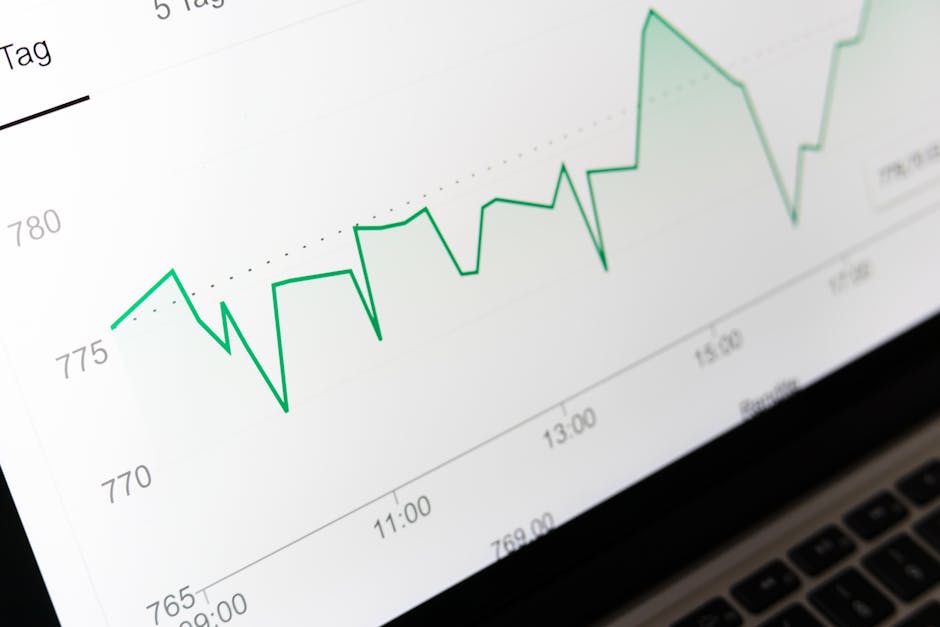
    Detailed close-up of a financial graph on a computer screen showing data trends.

    Implement Fraud Prevention and Quality Controls

    Affiliate fraud costs ecommerce stores an estimated $1.4 billion annually, according to a 2026 study by the Association of National Advertisers. Common fraud tactics include cookie stuffing (forcing cookies without genuine clicks), fake traffic from bots, and self-referrals where affiliates purchase through their own links to collect commissions.

    Your tracking software should flag suspicious activity automatically. Look for affiliates with abnormally high click volumes but low conversion rates, which suggests bot traffic. Monitor for multiple conversions from the same IP address or device within short timeframes, indicating self-referral schemes. Set up alerts for affiliates whose refund rates exceed 15%, which may signal fraudulent purchases.

    Require manual approval for new affiliates to screen out bad actors before they generate fraudulent commissions. Review each application for a real website or social media presence with genuine engagement. Reject applications from free email addresses or generic usernames without verifiable online profiles.

    • IP address monitoring: flags multiple purchases from same location
    • Device fingerprinting: detects self-referrals across browsers
    • Conversion velocity alerts: catches sudden spikes in suspicious activity
    • Refund rate tracking: identifies affiliates driving low-quality traffic

    Include fraud protection terms in your affiliate agreement. Reserve the right to withhold commissions pending investigation and terminate affiliates who violate your terms. Most tracking platforms let you blacklist specific affiliates or IP ranges to prevent repeat offenders from rejoining your program.

    Handle Cookie Consent and Privacy Compliance

    Privacy regulations like GDPR in Europe and CCPA in California require you to obtain consent before setting tracking cookies. Your ecommerce site needs a cookie consent banner that explains how you use cookies for affiliate tracking and lets visitors opt out. Without proper consent, you risk fines up to 4% of annual revenue under GDPR.

    Server-side tracking reduces compliance risk because it doesn’t rely on browser cookies. Instead, you store affiliate IDs in session variables on your server, which don’t require consent under most privacy laws. This approach also improves attribution accuracy since users can’t delete server-side data by clearing their browser cookies.

    Anonymize affiliate tracking data by hashing customer email addresses and IP addresses before sending them to your affiliate platform. Store only the minimum data needed to attribute sales, typically the order ID, order total, and affiliate ID. Delete tracking data after your cookie duration expires to comply with data minimization requirements.

    Your affiliate agreement should clarify that affiliates must comply with privacy laws when promoting your products. Require affiliates to disclose their commercial relationship with your brand and avoid deceptive marketing practices. Platforms like Affiliate Aura handle privacy compliance on the tracking side, but you remain responsible for how affiliates market your products.

    • Cookie consent banners: required for pixel-based tracking in EU and California
    • Server-side tracking: reduces consent requirements, improves accuracy
    • Data anonymization: hash emails and IPs before storing or sharing
    • Affiliate disclosure requirements: mandate FTC compliance in affiliate terms

    Consult a privacy attorney before launching your affiliate program to ensure your tracking implementation complies with regulations in your target markets. Non-compliance can shut down your program and damage your brand reputation.

    Implementation Checklist for Ecommerce Affiliate Tracking

    Follow this step-by-step checklist to integrate affiliate tracking with your ecommerce store without missing critical setup tasks. Each step includes the estimated time required and the team member responsible.

    1. Select tracking software (2-4 hours, marketing lead): compare platforms based on your ecommerce platform, tracking method support, and budget
    2. Install integration plugin or API (1-3 hours, developer): add tracking scripts to site header and conversion pixel to order confirmation page
    3. Configure commission structure (1 hour, marketing lead): set percentage or flat rates, define payout thresholds and frequency
    4. Set cookie duration and attribution model (30 minutes, marketing lead): choose 30-day cookies and last-click attribution as defaults
    5. Create affiliate application form (1 hour, marketing lead): collect website URL, traffic stats, and promotional methods
    6. Set up fraud detection rules (1 hour, developer): enable IP monitoring, conversion velocity alerts, and refund rate tracking
    7. Test with sample transactions (2 hours, developer + marketer): complete test purchases through affiliate links and verify tracking accuracy
    8. Add cookie consent banner (2 hours, developer): implement GDPR/CCPA-compliant consent mechanism if using pixel tracking
    9. Document affiliate terms and policies (2-3 hours, legal + marketing): draft agreement covering commission terms, fraud policy, and disclosure requirements
    10. Launch and recruit affiliates (ongoing): promote your program through outreach, affiliate networks, and your existing customer base

    Total setup time ranges from 12 to 18 hours spread across 1-2 weeks. Budget an additional 5-10 hours monthly for affiliate management, payout processing, and performance analysis. If you’re setting up an affiliate program for your Shopify store, many of these steps are automated through native integrations.

    Frequently Asked Questions

    How do I set up affiliate tracking for my ecommerce store?

    Install affiliate tracking software that integrates with your ecommerce platform, configure commission rates and cookie duration, add tracking scripts to your site header and order confirmation page, then test with sample purchases to verify conversions are recorded correctly. Most setups take 12-18 hours over 1-2 weeks. Choose server-side tracking or postback URLs for the highest accuracy and privacy compliance.

    What is the best affiliate tracking software for ecommerce in 2026?

    The best software depends on your platform and priorities. Shopify stores benefit from apps with native integrations like Affiliate Aura, which offers real-time tracking and instant payouts. WooCommerce users often choose AffiliateWP or Tapfiliate for their plugin ecosystems. Look for server-side tracking support, fraud detection, real-time reporting, and compliance with privacy regulations like GDPR.

    How do affiliate links work in ecommerce?

    Affiliate links contain a unique ID parameter that identifies which affiliate referred a visitor. When someone clicks the link, your tracking software stores the affiliate ID in a cookie or server session. If the visitor completes a purchase within the cookie duration (typically 30 days), the software attributes the sale to that affiliate and calculates their commission. The affiliate receives payment based on your payout schedule.

    How do I track affiliate sales in Shopify?

    Install an affiliate tracking app from the Shopify App Store that integrates with your checkout process. The app adds tracking scripts to your store and generates unique affiliate links. When customers purchase through these links, the app records the conversion and credits the affiliate. Choose apps that support postback URLs for the most accurate tracking, and test thoroughly before launching your program.

    What features should affiliate tracking software have?

    Essential features include unique link generation, real-time conversion tracking, customizable commission structures, fraud detection with IP monitoring, automated payout processing, and detailed analytics dashboards for both merchants and affiliates. Look for native integrations with your ecommerce platform, support for multiple attribution models, branded short link creation, and privacy compliance tools like cookie consent management and data anonymization.

    How long does it take to integrate affiliate tracking with an ecommerce store?

    Technical integration takes 1-3 hours for plugin-based platforms like Shopify or WooCommerce. Custom platforms require 4-8 hours for API setup and testing. Complete program setup including commission configuration, fraud rules, legal terms, and testing takes 12-18 hours over 1-2 weeks. Plan an additional 5-10 hours monthly for ongoing management, payout processing, and affiliate recruitment.

    Should I use first-click or last-click attribution for my affiliate program?

    Last-click attribution is the industry standard for ecommerce because it rewards the affiliate who directly drove the conversion. First-click attribution benefits content creators who introduce customers to your brand but may not close the sale. Multi-touch attribution splits commissions fairly but complicates payouts and explanations. Start with last-click and 30-day cookies, then adjust based on your affiliate mix and sales cycle length.

    Ready to Get Started?

    Integrating affiliate tracking with your ecommerce store transforms scattered partnerships into a scalable revenue channel. When you implement accurate tracking, transparent reporting, and fast payouts, you attract high-quality affiliates who drive consistent sales.

    Affiliate Aura handles the technical complexity for you with one-click integrations for major ecommerce platforms, server-side tracking for maximum accuracy, and instant commission payouts that keep your affiliates motivated. You get real-time analytics, fraud protection, and branded short links in one platform built specifically for ecommerce businesses and their affiliate partners.

    Visit Affiliate Aura to set up your affiliate tracking in under an hour and start growing your sales through partnerships that actually convert.

  • Best Affiliate Link Management Tools for Influencers 2026

    Best Affiliate Link Management Tools for Influencers 2026

    Most influencers lose track of which affiliate link drove what sale. You post across Instagram, TikTok, YouTube, and your blog, but when a commission hits your account three weeks later, you have no idea which piece of content earned it. This disconnect costs you money and wastes time on content that doesn’t convert.

    Affiliate link management tools solve this by giving you real-time tracking, organized link libraries, and performance data tied to specific posts or platforms. In 2026, the best tools also handle payouts, fraud detection, and branded short links that don’t scream “affiliate spam.” This guide compares the top options for influencers based on tracking accuracy, ease of use, pricing, and payout speed.

    Young woman vlogging with her dog at home, creating content indoors.

    What Makes a Good Affiliate Link Management Tool for Influencers

    You need three core features before anything else matters. First, real-time tracking that shows clicks and conversions within minutes, not days. Second, link organization that lets you tag, group, and search links by campaign, brand, or platform. Third, clean analytics that answer “which post made money” without a data science degree.

    Beyond the basics, look for these:

    • Branded short links: Custom domains like yourdomain.com/shop instead of sketchy bit.ly URLs that hurt click-through rates by 15-20%
    • Multi-platform tracking: One dashboard for Instagram bio links, YouTube descriptions, TikTok profiles, and blog posts
    • Commission transparency: See pending, approved, and paid commissions in one place without logging into 12 merchant portals
    • Automated disclosures: Built-in FTC compliance tools that add #ad or disclosure text to links
    • Mobile access: Most influencers create content on phones, so mobile apps matter more than desktop features

    Payout speed separates good tools from great ones. Traditional affiliate networks hold commissions for 30-90 days. Instant payout platforms release funds within 24-48 hours once you hit minimum thresholds, which improves cash flow for full-time creators.

    According to Influencer Marketing Hub’s 2026 Creator Economy Report, 67% of influencers cite delayed payments as their top frustration with affiliate programs, and creators who switch to instant-payout platforms see 34% higher program completion rates.

    A laptop displaying an analytics dashboard with real-time data tracking and analysis tools.

    Best Tools by Experience Level and Budget

    For Beginners: Affiliate Aura

    Affiliate Aura works best for influencers new to affiliate marketing or those tired of juggling multiple networks. You get a single dashboard that tracks all your affiliate links across brands, instant payouts when you hit milestones (no 60-day waiting periods), and AI-powered brand matching that suggests merchants aligned with your audience.

    Setup takes under 10 minutes. You connect your social profiles, browse merchant offers, generate tracked links, and start posting. The platform handles disclosure compliance automatically and provides mobile-friendly analytics that show which Instagram Story or TikTok video drove sales.

    Pricing: Free for affiliates. Merchants pay per click or sale, so you never pay platform fees.

    Best for: Micro-influencers (5K-50K followers) and creators who want one tool instead of five browser tabs.

    For Mid-Tier Creators: Refersion

    Refersion gives you more control over link parameters and deeper integration with ecommerce platforms. You can create custom conversion rules, track post-purchase upsells, and see lifetime customer value from your referrals, not just first-order commissions.

    The learning curve is steeper. Expect 2-3 hours to configure tracking pixels, set up custom domains, and understand the reporting interface. Once configured, you get granular data like “this YouTube video generated $1,847 in sales with a 4.2% conversion rate.”

    Pricing: Starts at $99/month for influencers managing their own programs or working with multiple brands directly.

    Best for: Creators with 50K+ followers who negotiate direct brand deals and need professional reporting to justify rate increases.

    For Advanced Users: Impact.com

    Impact.com is enterprise-grade infrastructure built for agencies and top-tier influencers managing dozens of brand partnerships. You get fraud detection, contract management, automated invoicing, and API access for custom integrations.

    This is overkill for most solo creators. The interface assumes you understand attribution models, cookie windows, and cross-device tracking. Setup requires technical support, and the platform targets users managing $50K+ monthly in affiliate revenue.

    Pricing: Custom quotes starting around $500/month, typically negotiated annually.

    Best for: Influencer agencies, creator collectives, or individual creators earning $100K+ annually from affiliate marketing.

    Close-up view of popular social media app icons on a smartphone screen.

    Tracking Features That Actually Matter

    Real-time click tracking is table stakes in 2026. Every tool on this list updates click counts within 5-10 minutes. The differentiator is conversion tracking accuracy, especially across devices and platforms.

    Here’s what separates accurate tracking from guesswork:

    • Cross-device attribution: Someone clicks your Instagram link on mobile but buys on desktop three days later. Good tools use fingerprinting and probabilistic matching to connect those dots.
    • Platform-specific UTM parameters: Automatically tag links with source data so you know if traffic came from an Instagram Story, feed post, or Reel without manual URL building.
    • Conversion lag reporting: See the average time between click and purchase for each brand. Some products convert in hours, others take weeks.
    • Return and refund tracking: Know when commissions get clawed back so your earnings reports match reality.

    Affiliate Aura includes all four by default. Refersion and Impact.com require configuration, but they offer more customization for complex tracking scenarios like multi-touch attribution or affiliate-plus-influencer hybrid deals.

    One often-missed feature is link health monitoring. Dead links cost you money. The best tools scan your links weekly and alert you when a product page goes offline or a merchant program closes.

    Close-up of man holding a smartphone and credit card, making an online payment indoors.

    Commission Tracking and Payout Speed

    Traditional affiliate networks pay 30-90 days after a sale, holding your money during refund windows and processing cycles. This cash flow delay hurts creators who rely on affiliate income for rent and business expenses.

    Instant payout platforms flip this model. Affiliate Aura pays within 24-48 hours once you hit a $50 minimum threshold. The platform absorbs refund risk and uses predictive analytics to identify low-risk transactions eligible for fast payout.

    Here’s how payout speeds compare across major platforms in 2026:

    • Affiliate Aura: 24-48 hours after hitting $50 minimum
    • Amazon Associates: 60 days after end of month in which sale occurred
    • ShareASale: Monthly on the 20th, for sales made 35+ days prior
    • Refersion: Depends on merchant settings, typically 30-45 days
    • Impact.com: Merchant-defined, usually 30-60 days

    Payout speed matters more as you scale. A creator earning $5,000 monthly in commissions with 60-day terms has $10,000 perpetually in limbo. Switching to instant payouts frees that capital for reinvestment in content production, ads, or living expenses.

    Commission transparency is equally important. You should see pending, approved, and paid amounts in one dashboard without cross-referencing bank statements. Affiliate Aura and Impact.com excel here. Amazon Associates and many traditional networks make you dig through multiple reports to reconcile earnings.

    Black and white image of a metal combination lock on a wooden background.

    Fraud Detection and Brand Safety

    Fraudulent clicks and bot traffic waste your time and damage relationships with merchants. In 2026, sophisticated fraud involves click farms, cookie stuffing, and fake influencer accounts that inflate metrics without real audience engagement.

    Enterprise tools like Impact.com use machine learning to flag suspicious patterns: 100 clicks from the same IP address, conversion rates 10x above network averages, or traffic spikes that don’t match your posting schedule. These systems block fraudulent commissions before they hit your account and trigger merchant disputes.

    Affiliate Aura includes basic fraud detection that filters bot traffic and duplicate clicks. It’s sufficient for most influencers but less robust than enterprise solutions. The platform focuses on matching legitimate creators with reputable merchants, reducing fraud risk at the partnership level rather than just the traffic level.

    Brand safety works both ways. Merchants want to avoid affiliates who use black-hat tactics, and influencers want to avoid brands with poor reputations or products that don’t match their values. Look for platforms that vet both sides and provide reputation scores or reviews.

    Red flags to watch for:

    • Merchants with abnormally high commission rates (often a sign of low-quality products or high refund rates)
    • Affiliate programs that require you to buy products before promoting them
    • Platforms that don’t clearly disclose cookie duration or attribution rules
    • Tools that charge affiliates monthly fees plus take a percentage of commissions
    Close-up of a person holding a smartphone with various app icons visible on the screen.

    Ease of Setup and Daily Workflow

    The best tool is the one you’ll actually use consistently. Complex platforms with powerful features often sit unused because the daily workflow feels like homework.

    For beginners, prioritize tools that generate links in under 30 seconds and provide mobile apps for on-the-go link creation. Affiliate Aura nails this. You search for a product, tap “Create Link,” choose your short domain, and copy the link directly into your Instagram bio or TikTok profile. No pixel installation, no CSV imports, no tutorials.

    Intermediate users benefit from batch link creation and content planning features. Refersion lets you generate 50 links at once, tag them by campaign, and schedule reminders to update seasonal promotions. This matters when you’re planning a month of content in advance and need organized link libraries.

    Advanced users want API access and webhook integrations. Impact.com provides this, letting you build custom workflows like “automatically post new affiliate links to Slack when a merchant launches a sale” or “sync commission data to your accounting software daily.”

    Daily workflow should feel like this:

    1. Check dashboard for yesterday’s performance (2 minutes)
    2. Identify top-performing content and create similar posts (10 minutes)
    3. Generate new links for today’s content (5 minutes)
    4. Post content with proper disclosures (time varies)
    5. Review weekly trends and adjust strategy (15 minutes on Fridays)

    If your tool requires more than 20 minutes of daily maintenance, you’re either over-optimizing or using the wrong platform for your needs. Many influencers who switch to simpler tools see productivity gains that outweigh the loss of advanced features they rarely used.

    Link Organization and Content Batching

    Most influencers create content in batches. You shoot 10 Instagram Reels in one afternoon, schedule them across two weeks, and need unique tracked links for each post to measure individual performance.

    Good link management tools let you create folders, tags, or campaigns to group related links. You might organize by brand (Nike, Sephora, Apple), content type (Reels, Stories, YouTube), or promotion period (Spring Sale 2026, Holiday Gift Guide).

    Affiliate Aura includes unlimited link tagging and search functionality. You can find “all Nike links used in Instagram Reels during March” in three clicks. This matters when a brand asks for performance data or you want to replicate successful campaigns.

    Batch link creation saves hours. Instead of generating links one by one as you post, create 20 links on Sunday for the week ahead. Name them descriptively: “Nike_Reel_03_Running_Shoes” instead of “Link_47.” Your future self will thank you when analyzing performance three months later.

    Disclosure management is another workflow saver. Some tools auto-append “#ad” or “affiliate link” to your short URLs or provide disclosure templates you can copy-paste. This ensures FTC compliance without manual work on every post.

    Content batching workflow with proper link management:

    1. Plan content calendar for the next 2 weeks (30 minutes)
    2. Generate and tag all affiliate links needed (15 minutes)
    3. Create content with links already in hand (3-4 hours)
    4. Schedule posts with correct links and disclosures (20 minutes)
    5. Review performance mid-week and adjust remaining posts (10 minutes)

    This approach reduces context-switching and ensures you never post content without a tracked link because you forgot to generate one.

    Platform Comparison: Quick Reference

    Here’s how the top tools stack up across key criteria for influencers in 2026:

    Feature Affiliate Aura Refersion Impact.com
    Setup Time 10 minutes 2-3 hours 1-2 days
    Payout Speed 24-48 hours 30-45 days 30-60 days
    Mobile App Yes Limited Yes
    Pricing Free for affiliates $99+/month $500+/month
    Best For Beginners to mid-tier Mid-tier to advanced Enterprise/agencies

    Your choice depends on three factors: monthly affiliate revenue, technical comfort, and whether you work with networks or direct brand deals. Creators earning under $2,000 monthly should start with free or low-cost tools like Affiliate Aura. Those earning $5,000+ monthly and managing multiple direct partnerships benefit from Refersion’s advanced features. Impact.com makes sense only at $10,000+ monthly revenue or when managing partnerships for multiple creators.

    For businesses looking to launch their own affiliate programs, the setup process varies significantly by platform. Setting up affiliate programs for Shopify stores typically takes 2-3 hours with the right tools, while custom enterprise solutions can take weeks.

    Pricing Models and Hidden Costs

    Affiliate link management tools use three pricing models: free for affiliates with merchant-paid fees, flat monthly subscriptions, or percentage-based commission splits.

    Affiliate Aura uses the first model. You pay nothing. Merchants pay per click or sale, and the platform takes a small percentage of their budget. This works well for influencers because you have zero upfront costs and can test multiple brands without financial risk.

    Refersion charges monthly fees starting at $99. This makes sense if you’re running your own affiliate program or managing direct deals with brands who don’t want to join a network. You control the data and relationships, but you pay whether or not you earn commissions.

    Some tools take a percentage of your commissions on top of monthly fees. Avoid these unless they provide exceptional value. A tool charging $50/month plus 5% of commissions costs you $175 monthly if you earn $2,500 in commissions, which is excessive for basic link tracking.

    Hidden costs to watch for:

    • Custom domain fees: Some platforms charge $5-15/month for branded short links
    • Overage charges: Fees when you exceed monthly click or link limits
    • Integration costs: Charges to connect with specific ecommerce platforms or payment processors
    • Support tiers: Basic plans may lack email support or require paid upgrades for technical help

    Calculate total cost of ownership over 12 months, not just the monthly subscription. A “free” tool that charges $0.01 per click costs $300 monthly if you drive 30,000 clicks, which is more expensive than a $99 flat-rate tool.

    Small businesses evaluating affiliate tracking software face similar pricing considerations, though their focus is typically on merchant-side features rather than influencer workflows.

    Frequently Asked Questions

    What is the best affiliate tracking software for influencers?

    Affiliate Aura is the best option for most influencers in 2026 because it combines real-time tracking, instant payouts, and zero fees for affiliates. Beginners benefit from the 10-minute setup and mobile app, while experienced creators appreciate the AI-powered brand matching that suggests relevant merchant partnerships. For influencers earning over $5,000 monthly who need advanced features like custom attribution models or API access, Refersion or Impact.com provide more control at higher price points.

    How do influencers manage affiliate links?

    Most influencers use dedicated link management platforms to generate tracked URLs, organize them by campaign or brand, and monitor performance in real time. The typical workflow involves creating branded short links for each piece of content, tagging them for easy search later, and reviewing analytics weekly to identify top-performing posts. Tools like Affiliate Aura automate disclosure compliance and provide mobile apps for on-the-go link creation, which fits how most creators work today.

    What tools do influencers use to track affiliate sales?

    Influencers primarily use three types of tools: affiliate networks like Amazon Associates or ShareASale that provide basic tracking for their marketplace, dedicated link management platforms like Affiliate Aura or Refersion that track across multiple merchants, and analytics tools like Google Analytics for deeper traffic analysis. The best approach combines a primary link management platform with network-specific dashboards for merchants who don’t integrate with third-party tools.

    Can you use one platform for affiliate and influencer marketing?

    Yes, dual-sided platforms like Affiliate Aura serve both affiliates and merchants in a single ecosystem. Influencers browse available offers and generate tracked links, while businesses upload products and manage their affiliate programs from the same platform. This eliminates the need to join separate networks for each brand partnership and provides unified reporting across all your affiliate relationships. The main limitation is that some major brands run exclusive programs on specific networks, so you may still need 2-3 platforms to access all available offers.

    How do affiliate link management tools work?

    These tools generate unique URLs that contain tracking parameters identifying you as the referrer. When someone clicks your link, the platform records the click and sets a cookie in their browser. If they purchase within the cookie window (typically 24 hours to 90 days), the tool attributes the sale to your link and credits your account. Modern platforms use advanced techniques like cross-device fingerprinting and server-side tracking to improve accuracy beyond basic cookie tracking, which fails when users switch devices or clear cookies.

    What features should I look for in affiliate link management tools for influencers?

    Prioritize real-time tracking that updates within minutes, branded short links that improve click-through rates, mobile apps for on-the-go link creation, and fast payouts that release commissions within days instead of months. Secondary features that matter as you scale include batch link creation, detailed analytics showing which content types convert best, fraud detection to protect your merchant relationships, and automated FTC disclosure tools. Avoid tools with complex setup processes or those that charge affiliates monthly fees plus commission percentages.

    How much do affiliate link management tools cost for influencers?

    The best tools for influencers are free, with merchants covering platform costs through per-click or per-sale fees. Affiliate Aura uses this model, charging affiliates nothing while providing full tracking and instant payouts. Mid-tier tools like Refersion cost $99-299 monthly and target creators managing their own programs or agencies handling multiple influencers. Enterprise platforms like Impact.com start around $500 monthly and make sense only for creators earning $100,000+ annually from affiliate marketing or managing large creator collectives.

    Ready to Get Started?

    The right affiliate link management tool turns scattered links and delayed payouts into organized campaigns with predictable income. Start with a platform that matches your current revenue and technical comfort, then upgrade as your affiliate business grows.

    For most influencers reading this, that means starting with a free, easy-to-use platform that handles tracking, payouts, and brand matching without monthly fees or complex setup. Affiliate Aura provides exactly that, with real-time analytics, instant commission payouts, and AI-powered merchant matching that connects you with brands your audience actually wants.

    Create your free account in under 10 minutes, browse available merchant offers, and generate your first tracked link today. No credit card required, no monthly fees, no 60-day payout delays.

  • Best Affiliate Tracking Software for Small Businesses 2026

    Best Affiliate Tracking Software for Small Businesses 2026

    Small businesses lose an average of 23% of affiliate revenue to tracking errors and delayed payouts, according to 2026 Performance Marketing Association data. The right best affiliate tracking software for small businesses fixes this problem. Most platforms are built for enterprise budgets and teams. You need something that works out of the box. It costs less than $200 monthly. It doesn’t require a developer to set up. This guide covers the tools that actually fit small business constraints: tight budgets, limited technical resources, and the need to see ROI within 90 days.

    Professional black woman smiling at desk using laptop and smartphone in office.

    1. Post Affiliate Pro — Best Affiliate Tracking Software for Multi-Channel Tracking

    Post Affiliate Pro handles tracking across email, social media, and paid ads from a single dashboard. You get unlimited affiliates on all plans, which matters when you’re testing different partner types without knowing which will convert. The platform costs $129 monthly for up to 10,000 tracked actions, making it viable for businesses doing $10,000-$50,000 in monthly affiliate-driven revenue.

    Setup takes 2-3 hours if you’re using Shopify or WooCommerce. You install a tracking pixel, create commission structures, and generate affiliate links. The interface shows real-time clicks, conversions, and pending commissions without requiring you to export CSV files or build custom reports.

    • Best for: E-commerce stores with 10-50 active affiliates across multiple channels
    • Pricing: $129/month (Pro plan), $249/month (Ultimate with fraud detection)
    • Integration strength: Native plugins for Shopify, WooCommerce, BigCommerce
    • Limitation: Mobile app tracking requires the Ultimate plan
    Close-up of a tablet displaying analytics charts on a wooden office desk, alongside a smartphone and coffee cup.

    2. Tapfiliate — Fastest Onboarding for SaaS Businesses

    Tapfiliate gets you live in under 30 minutes with pre-built integrations for Stripe, PayPal, and major payment processors. This matters for SaaS businesses where subscription tracking needs to attribute recurring revenue, not just initial conversions. The platform automatically calculates lifetime value commissions, so affiliates promoting annual plans see accurate earnings projections.

    The Essential plan at $89 monthly includes 500 tracked conversions and unlimited affiliates. You’ll hit this limit quickly if you’re doing high-volume, low-ticket promotions, but for SaaS products priced above $50 monthly, it covers 6-12 months of growth before you need to upgrade.

    • Best for: SaaS companies with subscription models and recurring commissions
    • Pricing: $89/month (Essential), $149/month (Professional with custom domains)
    • Integration strength: Direct Stripe and PayPal webhooks for automatic commission tracking
    • Limitation: Limited customization on affiliate portal branding in lower tiers
    A diverse group of colleagues huddling and smiling in a modern office setting, promoting teamwork.

    3. Refersion — Built Specifically for E-Commerce Scale

    Refersion focuses exclusively on e-commerce, which means every feature assumes you’re tracking product sales, not lead generation or app installs. The platform pulls order data directly from your store, matches it to affiliate clicks within a 30-90 day cookie window, and calculates commissions based on product margins or flat rates you set per SKU.

    Pricing starts at $99 monthly for up to $10,000 in tracked sales, then scales to 1% of tracked revenue above that threshold. This variable pricing works well when you’re testing affiliate channels because you’re not locked into a high fixed cost before proving ROI. The trade-off is that successful programs get expensive fast—at $100,000 monthly in affiliate sales, you’re paying $1,000 monthly for the platform.

    • Best for: Shopify and WooCommerce stores doing $20,000+ monthly revenue
    • Pricing: $99/month base + 1% of tracked sales over $10,000
    • Integration strength: Two-way sync with Shopify for real-time inventory and order updates
    • Limitation: Costs scale quickly with success; not ideal for high-volume, low-margin businesses
    Person making contactless payment with a credit card using smartphone. Online shopping and delivery concept.

    4. Affiliate Aura — Real-Time Payouts Without Minimum Thresholds

    Most affiliate platforms hold commissions for 30-60 days to account for refunds and chargebacks. Affiliate Aura processes payouts instantly when affiliates hit customizable milestones, which matters when you’re recruiting influencers who prioritize cash flow over waiting for monthly payment cycles. The platform uses AI matching to connect your products with affiliates whose audience demographics align with your customer data.

    You pay only for performance: set your own cost-per-click or cost-per-sale rates, and the platform handles tracking, link generation, and commission calculations. There’s no monthly platform fee for merchants until you exceed 1,000 tracked conversions, making it viable for businesses testing affiliate channels without committing to $100+ monthly software costs upfront.

    • Best for: Businesses prioritizing affiliate retention through faster payouts
    • Pricing: Free up to 1,000 conversions/month, then custom pricing based on volume
    • Integration strength: Real-time analytics dashboard with branded short link creation
    • Limitation: Newer platform with smaller existing affiliate network compared to established marketplaces

    According to Forrester’s 2026 Affiliate Marketing Benchmark Report, small businesses using instant payout systems see 34% higher affiliate retention rates and 28% more applications from high-performing affiliates compared to traditional 30-day payment cycles.

    Close-up of a diverse business handshake over documents, symbolizing agreement and collaboration.

    5. PartnerStack — Best for B2B and Channel Partnerships

    PartnerStack handles complex commission structures that B2B businesses need: tiered payouts based on deal size, recurring commissions for multi-year contracts, and separate tracking for resellers versus referral partners. The platform integrates with CRMs like HubSpot and Salesforce to attribute closed deals back to partner touchpoints, even when sales cycles span 3-6 months.

    The Growth plan at $500 monthly includes everything small B2B companies need, but the price point only makes sense if your average deal value exceeds $2,000. Below that threshold, you’re better off with simpler tools. The platform shines when you’re managing 10-30 active partners who need individual commission agreements, custom reporting, and white-labeled partner portals.

    • Best for: B2B SaaS and service businesses with complex sales cycles
    • Pricing: $500/month (Growth plan), custom enterprise pricing above 100 partners
    • Integration strength: Deep CRM integrations for deal attribution and pipeline tracking
    • Limitation: Overkill for simple e-commerce or direct-to-consumer businesses
    Close-up of industrial safes with manual locks and keys, highlighting security features.

    6. What to Look for in Compliance and Data Security

    GDPR and CCPA requirements mean your tracking software needs explicit consent mechanisms, data deletion workflows, and audit trails showing how affiliate data is stored and processed. Most small businesses overlook this until they face a compliance audit or customer complaint. The cost of non-compliance starts at $2,500 for CCPA violations and scales up from there.

    Look for platforms that offer cookie consent integration, automatic data retention policies (deleting affiliate PII after 12-24 months of inactivity), and clear data processing agreements. Post Affiliate Pro and Tapfiliate both include GDPR compliance features in their base plans. Refersion requires the Professional tier ($249 monthly) for advanced compliance tools. Affiliate Aura builds consent tracking into all accounts by default, with no upgrade required.

    • Required features: Cookie consent banners, data deletion requests, affiliate data export tools
    • Red flags: Platforms that store payment data without PCI compliance, no clear DPA available
    • Best practice: Run a compliance audit within 30 days of launching your program

    7. How to Calculate ROI When Switching Platforms

    Switching affiliate tracking software mid-program costs more than the monthly subscription difference. You’ll spend 10-20 hours migrating affiliate data, updating links across partner sites, and troubleshooting tracking discrepancies. Factor in 2-3 weeks of reduced tracking accuracy as affiliates update their links and your team validates the new system.

    The break-even calculation is straightforward: multiply your average monthly affiliate revenue by 0.05 (the typical tracking error rate on legacy systems). If that number exceeds your new platform’s annual cost plus migration time (valued at your hourly rate), the switch pays for itself within 12 months. For example, if you’re doing $50,000 monthly in affiliate sales, 5% tracking improvement saves $2,500 monthly, or $30,000 annually—easily justifying a $200/month platform upgrade.

    • Migration timeline: 2-4 weeks for full transition with parallel tracking
    • Hidden costs: Affiliate communication, link updates, historical data reconciliation
    • Risk mitigation: Run both systems simultaneously for 30 days to verify tracking parity
    • When to switch: When tracking errors exceed 3% or manual reconciliation takes more than 5 hours monthly

    8. Integration Requirements for Shopify and WooCommerce

    Shopify and WooCommerce power 67% of small e-commerce businesses, according to BuiltWith’s 2026 E-Commerce Technology Report. Your tracking software needs native plugins that sync order data automatically, not Zapier workarounds that break when APIs update. Native integrations ensure commission calculations reflect actual order values after discounts, shipping, and taxes—not inflated cart totals.

    Post Affiliate Pro, Refersion, and Affiliate Aura all offer one-click Shopify installation. WooCommerce requires slightly more setup (15-30 minutes) because you’re installing a WordPress plugin and configuring webhook endpoints. Test the integration with a small order before inviting affiliates—tracking discrepancies at launch damage trust and create reconciliation work later.

    • Shopify: Look for apps with 4.5+ star ratings and updates within the past 60 days
    • WooCommerce: Verify PHP version compatibility and test with your specific theme
    • Must-have features: Automatic refund tracking, multi-currency support, abandoned cart exclusion
    • Testing checklist: Place test orders, verify commission calculations, check affiliate dashboard accuracy

    9. Mobile Tracking and Real-Time Analytics

    Mobile traffic accounts for 58% of affiliate clicks in 2026, but not all tracking software handles mobile attribution accurately. Cookie-based tracking fails when users click affiliate links in Instagram or TikTok in-app browsers, then complete purchases in Safari or Chrome hours later. Advanced platforms use fingerprinting and probabilistic matching to connect these fragmented user journeys.

    Real-time analytics matter more than historical reports when you’re running paid traffic tests or influencer campaigns with 24-72 hour performance windows. You need to see which affiliates are driving conversions today, not last week, so you can adjust budgets and outreach immediately. Tapfiliate and Affiliate Aura both offer real-time dashboards with sub-60-second data refresh rates. Post Affiliate Pro updates every 5-10 minutes, which works for most use cases but lags during time-sensitive promotions.

    • Mobile attribution methods: Device fingerprinting, deep linking, app-to-web tracking
    • Real-time requirements: Sub-5-minute dashboard updates, instant conversion notifications
    • Use cases: Influencer campaign optimization, paid traffic A/B testing, flash sale tracking
    • Limitation: iOS privacy features reduce mobile tracking accuracy by 10-15% industry-wide

    10. Free and Low-Cost Options for Testing

    Free affiliate tracking software exists, but it’s limited to 10-25 affiliates and 100-500 monthly conversions. OSI Affiliate Software and AffiliateWP (for WordPress) both offer functional free tiers suitable for validating affiliate channel viability before committing to paid platforms. You’ll outgrow these tools within 3-6 months if the channel works, but they prevent spending $100+ monthly on software before proving affiliate ROI.

    The trade-off with free tools is manual work. You’ll spend 3-5 hours monthly reconciling payments, updating affiliate links, and generating reports that paid platforms automate. This makes sense when you’re pre-revenue or testing with fewer than 10 affiliates. Once you’re processing 50+ conversions monthly, the time cost exceeds the subscription savings.

    • OSI Affiliate: Free self-hosted option, requires PHP hosting and technical setup
    • AffiliateWP: $149/year for WordPress sites, includes basic tracking and reporting
    • Affiliate Aura: Free up to 1,000 conversions, no setup fees or technical requirements
    • When to upgrade: When manual reconciliation exceeds 4 hours monthly or you exceed free tier limits

    Frequently Asked Questions

    What is the best affiliate tracking software for beginners?

    Affiliate Aura and Tapfiliate are the best options for beginners because they require no coding knowledge and complete setup in under 30 minutes. Both platforms offer free tiers or trials, letting you test affiliate marketing without upfront costs. Affiliate Aura specifically eliminates payment processing complexity with instant payouts, while Tapfiliate provides pre-built templates for common commission structures.

    How much does affiliate tracking software cost?

    Small business affiliate tracking software ranges from free (with conversion limits) to $500 monthly for advanced B2B features. Most e-commerce-focused platforms cost $89-$149 monthly and include 500-1,000 tracked conversions, unlimited affiliates, and standard integrations. Variable pricing models charge 1-2% of tracked sales above base thresholds, which can increase costs significantly as your program scales past $50,000 in monthly affiliate revenue.

    Can I use free affiliate tracking software?

    Yes, free affiliate tracking software works for businesses processing fewer than 100 conversions monthly or managing fewer than 10 active affiliates. Options like OSI Affiliate (self-hosted) and Affiliate Aura (up to 1,000 conversions) provide functional tracking without subscription fees. The limitation is reduced automation—you’ll spend 3-5 hours monthly on manual tasks that paid platforms handle automatically, making free tools viable only during initial testing phases.

    Which affiliate software integrates best with Shopify and WooCommerce?

    Refersion and Post Affiliate Pro offer the deepest Shopify integrations with two-way data sync, automatic refund tracking, and real-time order updates. For WooCommerce, Post Affiliate Pro and Affiliate Aura provide native WordPress plugins that install in 15-30 minutes and sync order data automatically. All three platforms handle multi-currency tracking and calculate commissions after discounts and taxes, which matters for accurate affiliate payouts.

    What’s the difference between affiliate software and affiliate networks?

    Affiliate software is a tool you install and control, letting you recruit your own affiliates and set custom commission structures. Affiliate networks like ShareASale or CJ Affiliate are marketplaces where you list your products alongside thousands of other merchants, and affiliates choose which products to promote. Software gives you full data ownership and lower per-transaction costs (typically $100-200 monthly flat fee), while networks charge 20-30% of each commission but provide access to established affiliate audiences.

    What features should I prioritize in the best affiliate tracking software for small businesses?

    Prioritize real-time tracking accuracy, native e-commerce integrations, and transparent commission calculations. Small businesses need software that works within 2-3 hours of setup, costs less than $200 monthly, and requires no developer support for ongoing maintenance. Secondary features like branded affiliate portals and advanced fraud detection matter only after you’re processing 500+ conversions monthly and have validated that affiliate marketing drives profitable customer acquisition for your specific business model.

    How long does it take to see ROI from affiliate tracking software?

    Most small businesses see positive ROI within 90-120 days if they actively recruit 10-20 affiliates and provide promotional assets. The software itself costs $100-200 monthly, so you need to generate $300-600 in additional profit monthly (assuming 30% margins) to break even. Businesses with existing audiences or email lists typically hit this threshold in 60 days, while those building affiliate networks from scratch may need 4-6 months to recruit enough active partners to cover software and management costs.

    Ready to Get Started?

    The best affiliate tracking software for your small business depends on whether you prioritize fast affiliate payouts, complex B2B commission structures, or simple e-commerce integration. Most businesses should start with a platform that offers free trials or low-cost entry tiers, then upgrade as conversion volume grows. The key is choosing software that takes less than 4 hours to set up and requires minimal ongoing maintenance—your time is better spent recruiting high-performing affiliates than troubleshooting tracking code.

    If instant payouts and zero upfront platform fees matter more than accessing an existing affiliate marketplace, start your affiliate program with Affiliate Aura today and eliminate the traditional barriers small businesses face when launching affiliate programs. You set your own commission rates, affiliates get paid immediately when hitting milestones, and you only pay for actual performance—no monthly fees until you exceed 1,000 conversions.