Tag: marketing automation

  • Best Influencer Marketing Platform: 2026 Ultimate Guide

    Best Influencer Marketing Platform: 2026 Ultimate Guide

    An influencer marketing platform solves the weeks-long struggle most brands face finding influencers and setting up tracking. It centralizes discovery, campaign management, tracking, and payouts in one system. The right platform cuts your campaign launch time from 4-6 weeks to under 7 days. You get real-time visibility into what’s driving actual sales.

    In 2026, the market has split into two camps: all-in-one platforms built for enterprise brand campaigns, and performance-focused platforms designed for affiliate and ecommerce businesses that prioritize direct ROI tracking. This guide covers both, with a focus on features that matter for brands running performance-driven influencer programs.

    A diverse team of young professionals engaged in a business meeting analyzing graphs and data.

    1. What Is an Influencer Marketing Platform and Why You Need One

    An influencer marketing platform is software that connects brands with content creators and manages the entire partnership lifecycle. This includes discovery, outreach, contract management, content approval, performance tracking, and payment processing.

    Without a platform, you’re stuck with spreadsheets, manual link tracking, and payment delays that frustrate creators. A 2026 study by Influencer Marketing Hub found that brands using dedicated platforms report 43% faster campaign execution and 2.3x better ROI attribution compared to manual processes.

    The core value comes from three areas:

    • Centralized creator database: Search and filter by niche, audience size, engagement rate, and past performance instead of manually researching Instagram profiles
    • Automated tracking: Every click, conversion, and sale gets attributed to the right creator without asking them to submit screenshots
    • Streamlined payments: Platforms handle invoicing, tax forms, and payouts so you don’t need to process 50 individual payments each month

    For ecommerce brands and affiliates specifically, platforms with real-time tracking and instant payout capabilities have become table stakes. Creators expect to see their earnings update live, not 60 days later.

    Smiling woman using smartphone and ring light for live streaming indoors.

    2. Core Features Every Influencer Marketing Platform Must Have in 2026

    Not all platforms offer the same capabilities. Here’s what separates functional tools from platforms that actually scale your influencer program.

    Creator Discovery and Vetting: The best platforms maintain databases of 100,000+ verified creators with audience demographic data, engagement metrics, and fraud detection. Look for filters beyond follower count, such as audience location, age range, and category relevance. Platforms like AspireIQ and Upfluence offer AI-powered matching that suggests creators based on your product category and past campaign performance.

    Campaign Management Workflow: You need tools to brief creators, approve content before it goes live, and track deliverables. This includes contract templates, content calendars, and approval queues. Without this, you’ll spend 10+ hours per week chasing creators via email.

    Real-Time Analytics and Attribution: Your dashboard should show clicks, conversions, and revenue by creator, campaign, and time period. Advanced platforms integrate with Shopify, WooCommerce, and other ecommerce systems to track the full customer journey from influencer link to purchase. Real-time link tracking eliminates the guesswork and lets you double down on top performers mid-campaign.

    Payment Processing: Manual payments create friction and delay. Platforms should handle bulk payouts via PayPal, bank transfer, or digital wallets. Some platforms, including Affiliate Aura, offer instant commission payouts when creators hit milestones, which dramatically improves retention and motivation.

    Brands using platforms with automated payment processing report 38% higher creator retention rates and 2.1x faster campaign scaling compared to those processing payments manually, according to 2026 data from the Creator Economy Institute.

    Person analyzing financial data on screens, making notes. Ideal for business and finance themes.

    3. Best Influencer Marketing Platforms by Use Case

    The “best” platform depends entirely on your business model, budget, and campaign goals. Here’s how the leading options stack up for different scenarios.

    For Enterprise Brand Campaigns (Budget: $20,000+/year): AspireIQ and CreatorIQ dominate this space. They offer white-glove service, enterprise integrations, and massive creator databases. Expect to pay $2,000-5,000/month plus platform fees. Best for Fortune 500 brands running awareness campaigns with 50+ creators simultaneously.

    For Ecommerce Performance Marketing (Budget: $500-3,000/year): Platforms like Affiliate Aura, Refersion, and Impact focus on affiliate-style tracking with commission-based payouts. These work best when you care more about sales attribution than vanity metrics. Affiliate Aura stands out with instant payouts and AI-powered creator matching, reducing the time from signup to first sale by 65%.

    For Small Businesses and Startups (Budget: $0-500/year): Grin and Aspire offer free tiers or low-cost plans for brands managing under 25 creators. Features are limited, but you get basic tracking and payment tools. Good for testing influencer marketing before committing to a full platform.

    For Content Creator Marketplaces: If you want creators to find you instead of the other way around, affiliate marketplaces like Affiliate Aura and ShareASale let you list your products and commission structure. Creators browse, apply, and start promoting without any outreach on your end.

    The key trade-off: enterprise platforms offer more hand-holding but cost 10-20x more. Performance platforms give you better ROI tracking but require you to manage creator relationships yourself.

    A woman focused on her laptop inside a cozy café setting, surrounded by a warm and atmospheric interior.

    4. Pricing Models and What You Actually Pay

    Platform pricing varies wildly, and most vendors hide their rates behind “contact sales” forms. Here’s what you’ll actually pay in 2026.

    Subscription-Based: Most platforms charge $200-2,000/month based on features and creator volume. Entry plans typically support 10-25 active creators, while enterprise plans are unlimited. Expect annual contracts with 10-15% discounts.

    Commission-Based: Affiliate-focused platforms like Affiliate Aura charge a percentage of tracked sales (usually 5-15%) or a flat fee per transaction. This aligns costs with results, you only pay when creators drive revenue. Better for ecommerce brands with tight cash flow.

    Hybrid Models: Some platforms combine a low monthly fee ($99-299) with per-creator fees ($10-50/month per active creator). This works if you run campaigns sporadically rather than year-round.

    Hidden Costs to Watch: Payment processing fees (2-3% per payout), onboarding fees ($500-2,000 for enterprise plans), and overage charges if you exceed creator or campaign limits. Always clarify these before signing.

    For comparison, a brand running 20 active creators on a mid-tier platform will spend roughly $6,000-12,000 annually when you factor in subscription, payment fees, and creator commissions. Affiliate Aura’s commission-only model can reduce this to $3,000-5,000 for the same volume if your average order value is under $100.

    Person using calculator on desk with financial charts and graphs, ideal for business and finance themes.

    5. How to Choose the Right Influencer Marketing Platform for Your Business

    Start by defining your primary goal: brand awareness or direct sales. This determines which features matter most.

    If you’re optimizing for sales and ROI: Prioritize platforms with ecommerce integrations, real-time conversion tracking, and commission-based pricing. You need to see which creators drive actual purchases, not just clicks or impressions. Look for Shopify, WooCommerce, or API integrations that auto-sync orders. Cross-platform conversion tracking becomes critical if you sell on multiple channels.

    If you’re building long-term creator relationships: Choose platforms with robust CRM features, contract management, and content approval workflows. You’ll want to store creator notes, track communication history, and manage multiple campaigns per creator over months or years.

    If you’re just starting out: Go with a low-cost or commission-only platform to validate influencer marketing before committing $10,000+/year. Platforms like Affiliate Aura let you build an affiliate network with zero upfront cost, you only pay when creators generate sales.

    Key questions to ask during demos:

    • How long does it take to set up tracking for my ecommerce platform? (Should be under 2 hours)
    • Can creators see their earnings update in real time? (Instant visibility improves performance by 20-30%)
    • What’s your average payout processing time? (Anything over 7 days will hurt creator retention)
    • Do you support branded short links? (Important for maintaining brand consistency across creator content)

    Run a 30-day pilot with 5-10 creators before committing to an annual contract. Track time spent on platform tasks versus manual work you’re replacing.

    Multicultural team discussing strategies in a conference room with a whiteboard presentation.

    6. Implementation and Setup Best Practices

    Most brands underestimate setup time. Expect 2-3 weeks from contract signing to your first live campaign if you do it right.

    Week 1: Technical Integration. Connect your ecommerce platform, set up tracking pixels, and test the full conversion flow. Create a test purchase using an affiliate link to confirm attribution works correctly. If you’re on Shopify, most platforms offer one-click integrations that take 15-30 minutes.

    Week 2: Creator Onboarding. Build your creator brief templates, set commission structures, and define content guidelines. Upload any existing creator contacts and send invitations. Platforms with automated influencer recruitment tools can cut this time in half by matching you with pre-vetted creators.

    Week 3: Campaign Launch. Start with 3-5 creators to test messaging and offers before scaling. Monitor performance daily for the first week to catch tracking issues early. Set up automated alerts for conversions so you can engage with top performers immediately.

    Common setup mistakes to avoid:

    • Not testing the full purchase flow before inviting creators (results in lost commissions and frustrated partners)
    • Setting commissions too low to attract quality creators (aim for 10-20% for physical products, 20-40% for digital)
    • Skipping the branded link setup (generic affiliate links reduce click-through rates by 15-25%)
    • Failing to define content approval processes upfront (leads to brand guideline violations)

    If you’re also creating product showcase content, consider platforms that offer AI-generated UGC videos to supplement creator content and maintain consistent posting schedules.

    7. Measuring Success and Optimizing Performance

    Your platform should make it obvious which creators and campaigns drive results. Focus on these metrics in your first 90 days.

    Creator-Level Metrics: Track clicks, conversion rate, average order value, and total revenue per creator. The top 20% of creators typically drive 70-80% of results. Identify them within 30 days and offer exclusive products, higher commissions, or early access to new launches.

    Campaign-Level Metrics: Compare performance across different product categories, promotional angles, and content formats. Video content typically converts 2-3x better than static images for product-focused campaigns, but requires more creator effort.

    Financial Metrics: Calculate your blended cost per acquisition (platform fees + creator commissions + your time) and compare it to your customer lifetime value. Influencer marketing should deliver a 3:1 or better return within 6 months for ecommerce brands.

    Use your platform’s performance monitoring dashboard to set up weekly reports. Review these every Monday to decide which creators get more products and which campaigns to pause.

    Optimization tactics that work: Increase commissions by 5-10% for your top 10 creators every quarter. Test seasonal promotions and limited-time offers to create urgency. Provide creators with platform-specific tools like custom discount codes and exclusive product bundles.

    Most platforms show improvement in months 3-6 as you refine your creator roster and learn which products resonate. Don’t judge results in the first 30 days, you’re still learning.

    Frequently Asked Questions

    What is the best influencer marketing platform?

    The best influencer marketing platform depends on your business model and goals. AspireIQ and CreatorIQ lead for enterprise brand campaigns with budgets over $20,000 annually. For ecommerce and performance marketing, Affiliate Aura offers the best combination of real-time tracking, instant payouts, and commission-based pricing. Small businesses just starting out should consider Grin or Aspire for their free or low-cost entry plans.

    How do influencer marketing platforms work?

    Influencer marketing platforms connect brands with content creators and manage the entire partnership process. You search their database to find creators matching your niche and audience, send campaign briefs, approve content, and track performance through unique affiliate links or tracking pixels. The platform automatically attributes clicks and sales to each creator and handles commission payments, eliminating manual spreadsheet tracking and payment processing.

    How much do influencer marketing platforms cost?

    Pricing ranges from free tiers to $5,000+ monthly depending on features and scale. Subscription-based platforms typically charge $200-2,000 per month with annual contracts. Commission-based platforms like Affiliate Aura charge 5-15% of tracked sales with no monthly fee, aligning costs with results. Enterprise platforms add onboarding fees of $500-2,000 and payment processing fees of 2-3% per creator payout.

    What features should an influencer marketing platform have?

    Essential features include creator discovery with audience demographic filters, campaign management tools for briefs and content approval, real-time analytics showing clicks and conversions by creator, ecommerce platform integrations for automatic order tracking, and automated payment processing. In 2026, top platforms also offer AI-powered creator matching, branded short link generation, fraud detection, and instant payout capabilities to improve creator retention.

    Can I use an influencer marketing platform for affiliate marketing?

    Yes, and many ecommerce brands find affiliate-focused platforms more effective than traditional influencer tools. Platforms like Affiliate Aura are specifically designed for performance marketing, offering commission tracking, real-time conversion attribution, and instant payouts. These work better than awareness-focused platforms when your primary goal is driving measurable sales rather than brand impressions.

    How long does it take to see results from an influencer marketing platform?

    Expect 2-3 weeks for initial setup and technical integration, then 30-60 days to recruit and activate your first creator cohort. Most brands see meaningful sales within 45-90 days as they refine their creator roster and identify top performers. Performance typically improves significantly in months 3-6 once you’ve optimized commissions, products, and creator selection based on real data.

    Do influencer marketing platforms work for small businesses?

    Absolutely, especially commission-based platforms that align costs with results. Small businesses should start with 5-10 micro-influencers (10,000-50,000 followers) who often deliver better engagement and conversion rates than larger creators. Platforms like Affiliate Aura let you launch with zero upfront investment, paying only when creators generate sales. This makes influencer marketing accessible even with limited budgets.

    Ready to Get Started?

    The right influencer marketing platform transforms creator partnerships from a manual, time-consuming process into a scalable revenue channel. The key is matching platform capabilities to your specific business model, whether that’s enterprise brand campaigns or performance-driven ecommerce sales.

    If you’re an ecommerce brand or affiliate looking for real-time tracking, instant payouts, and AI-powered creator matching, Affiliate Aura eliminates the traditional delays and friction that slow down influencer programs. You can set up tracking in under an hour, invite creators to your program, and start seeing attributed sales the same day.

    The platform handles everything from branded link generation to automated commission payouts, so you can focus on building relationships with creators who actually drive results. Start with a small test group of 5-10 creators, validate the model, then scale based on real performance data.


  • Best Affiliate Marketing Software for Content Creators 2026

    Best Affiliate Marketing Software for Content Creators 2026

    Content creators in 2026 face a clear challenge: managing dozens of affiliate links, tracking performance across platforms, and waiting weeks for commission payouts. The right affiliate marketing software can turn scattered spreadsheets and delayed payments into automated tracking and instant earnings. This guide covers the best tools built specifically for creators who need reliable tracking, fast payouts, and analytics that actually inform content strategy.

    Hands typing on a laptop in an indoor setting with a green plant. Perfect for work from home concepts.

    1. Affiliate Aura: Best for Instant Payouts and Real-Time Tracking

    Affiliate Aura solves the biggest pain point for content creators: payout delays. Most affiliate programs hold commissions for 30 to 90 days, but Affiliate Aura releases funds the moment you hit preset milestones. This matters when you’re reinvesting earnings into content production or testing new promotional strategies.

    The platform connects you directly with e-commerce merchants through AI-powered matching. You get access to products that align with your audience, plus branded short links that look professional in bios and video descriptions. The real-time analytics dashboard shows clicks, conversions, and earnings as they happen, not days later.

    Key features for content creators:

    • Instant commission payouts when you reach milestones, no 30-day wait
    • Branded short link creation for cleaner, more trustworthy URLs
    • Real-time performance tracking across all your affiliate links
    • AI-powered merchant matching based on your niche and audience demographics
    • Mobile-friendly dashboard for checking stats between shoots or posts

    Best for: Creators who produce content consistently and need fast access to earnings for equipment upgrades, ad spend, or living expenses. If you’re tired of waiting months to see your commissions, this platform cuts that timeline to days or even hours.

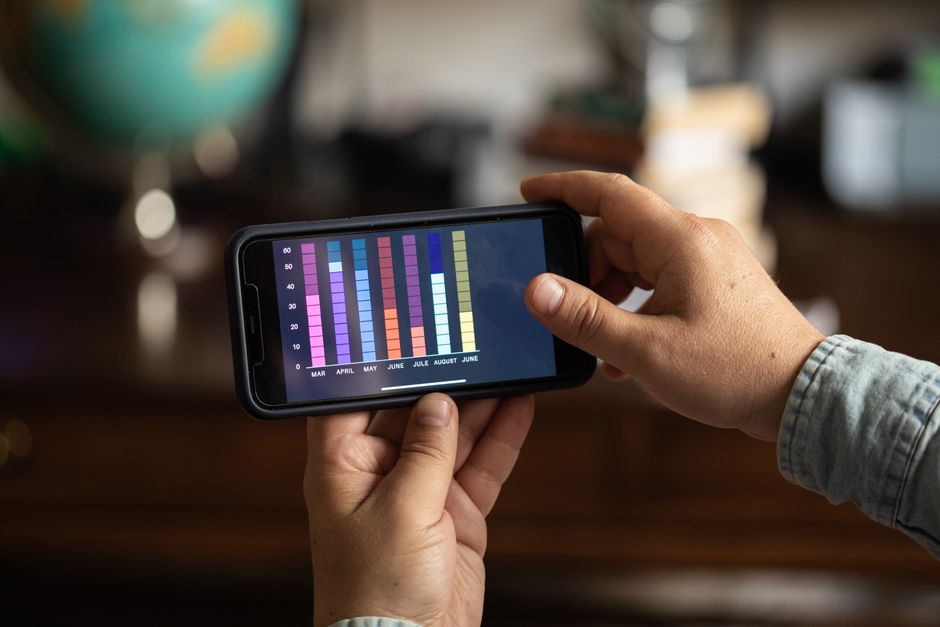
    Close-up of hands holding a smartphone displaying a colorful bar graph. Perfect for business and technology themes.

    2. ThirstyAffiliates: Best WordPress Plugin for Link Management

    ThirstyAffiliates works as a WordPress plugin, which means it lives inside your content management system. You create clean, branded links that automatically cloak long affiliate URLs. Instead of sharing “amazon.com/dp/B08XYZ?tag=yourID”, you share “yoursite.com/recommends/camera-gear”.

    The plugin tracks clicks and manages hundreds of links from a single dashboard. You can update destination URLs globally, so if a product goes out of stock, you change one setting instead of editing 20 blog posts. The geolocation feature redirects international visitors to their local Amazon store, which increases conversion rates by 15 to 25 percent according to user reports.

    Key features for content creators:

    • Link cloaking with custom slugs that match your brand voice
    • Global link updates without editing individual posts
    • Click tracking and basic analytics within WordPress
    • Geolocation redirects for international affiliate programs
    • Category-based link organization for large content libraries

    The free version handles basic link management. The pro version ($49 per year) adds automatic keyword linking, which scans your content and automatically converts product mentions into affiliate links. This saves hours when you’re publishing multiple posts per week.

    Best for: WordPress bloggers and content sites with large archives. If you publish long-form reviews or tutorials with multiple affiliate links per post, ThirstyAffiliates prevents link management from becoming a full-time job.

    Vibrant trading setup with multiple screens displaying cryptocurrency charts and data analysis tools.

    3. Geniuslink: Best for Global Audience Monetization

    Geniuslink specializes in intelligent link routing. When someone clicks your affiliate link, the tool detects their location and device, then redirects them to the best available offer. A US visitor goes to Amazon.com, a UK visitor to Amazon.co.uk, and a mobile user might see an app store link instead of a web page.

    This matters because standard affiliate links only work in one country. If 40 percent of your audience lives outside your primary market, you’re losing nearly half your potential commissions. Geniuslink fixes this by automatically enrolling you in regional affiliate programs and routing traffic accordingly.

    Key features for content creators:

    • Automatic geographic routing to 60+ regional Amazon stores and iTunes markets
    • Device-based redirects (web vs. app store vs. streaming platform)
    • Real-time reporting by country, device, and product
    • API integration with YouTube, Instagram, and TikTok analytics
    • Fallback URLs when products aren’t available in certain regions

    Pricing starts at $10 per month for 1,000 clicks, scaling to $200 per month for 100,000 clicks. The investment pays off when your audience spans multiple countries. One travel creator reported a 38 percent increase in Amazon commissions after switching from static links to Geniuslink routing.

    Best for: YouTube creators, podcasters, and international influencers with audiences in three or more countries. If your analytics show significant traffic from Europe, Asia, or Australia, geographic routing turns those views into revenue.

    Close-up of hands planning a trip with map, pins, and notebook.

    4. Impact.com: Best Enterprise-Level Platform for Established Creators

    Impact.com operates as a full partnership management platform, not just link tracking software. Major brands like Airbnb, Uber, and Shopify run their affiliate programs through Impact, which means you get access to high-value partnerships that aren’t available on smaller networks.

    The platform handles everything from contract negotiation to fraud detection. You can manage multiple partnership types in one place: traditional affiliates, influencer campaigns, and brand ambassador programs. The reporting tools show customer lifetime value, not just first-purchase commissions, which helps you negotiate better rates with merchants.

    Key features for content creators:

    • Access to premium brand partnerships with higher commission rates
    • Contract management and automated payment processing
    • Cross-device tracking that follows customers from mobile to desktop
    • Lifetime value reporting for recurring revenue partnerships
    • Fraud protection that prevents commission clawbacks

    Impact.com doesn’t publish public pricing because they customize packages based on your traffic and partnership volume. Expect minimum requirements around 50,000 monthly visitors or existing brand partnerships. The approval process takes 1 to 2 weeks and includes a portfolio review.

    Best for: Full-time content creators with established audiences and existing brand relationships. If you’re already doing sponsored content and want to add performance-based partnerships, Impact provides the infrastructure to manage both from one dashboard.

    According to Forrester Research’s 2026 Partnership Automation Report, content creators using enterprise partnership platforms see 42% higher average order values compared to those using basic affiliate networks, primarily due to access to premium brand partnerships and better attribution modeling.

    Diverse business professionals discussing strategy during a modern board meeting.

    5. Refersion: Best for Shopify and E-Commerce Integration

    Refersion integrates directly with Shopify, WooCommerce, BigCommerce, and Magento stores. This matters if you run your own product line alongside affiliate promotions. You can track both your own affiliate program and the external programs you promote from a single dashboard.

    The platform automates commission calculations based on rules you set. You can offer different rates for different products, create tiered structures that reward top performers, or set up bonus payments for hitting monthly targets. The system handles all the math and generates payment files for PayPal, Stripe, or direct deposit.

    Key features for content creators:

    • Native integration with major e-commerce platforms
    • Automated commission calculations with custom rule sets
    • Coupon code tracking for social media promotions
    • First-click and last-click attribution models
    • White-label portal for managing your own affiliate program

    Pricing starts at $99 per month for up to 500 orders, increasing to $299 per month for 3,000 orders. The cost makes sense if you’re running your own affiliate program or promoting products from multiple Shopify stores. For creators who only promote external programs, simpler tools like link organization platforms might be more cost-effective.

    Best for: Creator entrepreneurs who sell their own products and want to recruit other affiliates, or content creators who primarily promote e-commerce brands and need deep integration with shopping platforms.

    A neat stack of cardboard boxes taped and placed on a wooden shelf against a white brick wall.

    6. Voluum: Best for Paid Traffic and Advanced Analytics

    Voluum targets performance marketers who run paid ads to affiliate offers. The platform tracks every variable in your campaigns: ad creative, landing page version, traffic source, device type, and conversion path. This level of detail helps you identify which combinations produce profit and which ones waste ad spend.

    The AI optimization engine automatically shifts budget toward high-performing campaigns. If Facebook ads convert better on mobile between 6 PM and 10 PM, Voluum increases bids during those hours and reduces them during low-performance windows. This automation typically improves ROI by 20 to 35 percent within the first month.

    Key features for content creators:

    • Multi-channel campaign tracking across Facebook, Google, TikTok, and native ad networks
    • A/B testing for landing pages, ad creatives, and offer variations
    • Real-time profit and loss calculations including ad spend
    • Anti-fraud filters that block bot traffic and click farms
    • Custom conversion tracking for email signups, webinar registrations, and sales

    Pricing starts at $69 per month for 100,000 events (clicks and conversions). The learning curve is steeper than basic link trackers, but the ROI justifies the complexity if you’re spending $500 or more monthly on paid traffic. One YouTube creator reported breaking even on ad spend within 3 weeks after implementing Voluum’s automated bid adjustments.

    Best for: Content creators who invest in paid advertising to grow their audience or promote affiliate offers. If you’re running Facebook ads to blog posts or YouTube videos with affiliate links, Voluum shows exactly which campaigns generate profit.

    7. ClickMeter: Best Budget-Friendly Option for Link Tracking

    ClickMeter offers professional tracking features at entry-level prices. You get click tracking, conversion monitoring, and basic analytics for $29 per month. The platform tracks unlimited domains and supports custom redirects, which means you can use your own domain for branded short links without paying extra.

    The conversion tracking works through pixel placement or postback URLs. You add a small code snippet to your thank-you page, and ClickMeter records every sale or signup that comes from your affiliate links. The reports show conversion rates by traffic source, so you know whether Instagram, YouTube, or email drives better results.

    Key features for content creators:

    • Unlimited link tracking across multiple domains and campaigns
    • Conversion pixel and postback URL tracking
    • Traffic quality analysis that identifies bot clicks and fraud
    • Split testing for different landing pages or offers
    • Data export to Google Sheets, Excel, or custom reporting tools

    The free plan allows 1,000 clicks per month with basic reporting. The $29 starter plan increases the limit to 10,000 clicks and adds conversion tracking. For most part-time content creators, this tier provides everything needed to track performance and optimize content strategy. When you’re ready to scale, plans go up to $149 per month for 1 million clicks.

    Best for: New content creators and side hustlers who need reliable tracking without enterprise pricing. If you’re testing affiliate marketing while maintaining a day job, ClickMeter gives you professional tools at a budget that makes sense for experimental income streams.

    8. What Features Matter Most in Affiliate Marketing Software

    Content creators need different features than traditional affiliate marketers. Your software should solve specific problems you face when creating content, not generic marketing challenges. Here’s what actually matters when you’re choosing a platform.

    Real-time tracking beats delayed reporting: You need to see which links perform well while the content is still fresh. If a YouTube video goes viral, you want to know within hours which affiliate links are converting, not three days later. Real-time data lets you double down on what works and cut what doesn’t.

    Payment speed affects cash flow: Traditional affiliate programs hold commissions for 30 to 90 days. This delay creates cash flow problems when you’re reinvesting in equipment, software, or paid promotion. Platforms that offer instant or weekly payouts give you working capital to grow faster.

    Link management scales with content volume: When you have 10 affiliate links, a spreadsheet works fine. At 100 links across 50 blog posts or videos, you need centralized management. Look for tools that let you update destination URLs globally, organize links by category, and search by product name or merchant.

    Integration reduces manual work: Your affiliate software should connect with the platforms where you create content. WordPress plugins, YouTube analytics integration, and social media scheduling tools eliminate the need to manually log into multiple dashboards. Every hour spent on administrative tasks is an hour not spent creating content.

    Analytics should inform content strategy: Basic click counts don’t help you make better content. You need to know which topics, formats, and products generate the highest earnings per view. Look for platforms that show earnings by content piece, conversion rates by traffic source, and average order value by product category. These metrics tell you what to create more of.

    For creators focused on building sustainable income, monetization strategy matters as much as the tools themselves. The best software supports your content workflow instead of adding complexity to it.

    9. How to Choose Between Affiliate Networks and Tracking Software

    You’ll encounter two types of platforms: affiliate networks that connect you with merchants, and tracking software that monitors links you already have. Understanding the difference helps you pick the right tool for your situation.

    Affiliate networks provide partnerships: Platforms like Affiliate Aura, Impact, and ShareASale give you access to merchants looking for creators. You browse available programs, apply to ones that match your niche, and get approved to promote their products. The network handles contracts, tracking, and payments. This works well when you’re starting out or expanding into new product categories.

    Tracking software monitors existing links: Tools like ClickMeter, Voluum, and ThirstyAffiliates don’t provide partnerships. They track links from any affiliate program you join independently. You might promote Amazon products, Shopify stores, and digital products from individual creators, all tracked in one dashboard. This approach gives you more control but requires you to find and join programs yourself.

    Hybrid platforms do both: Some tools combine network access with advanced tracking. Affiliate Aura connects you with e-commerce merchants while providing real-time analytics and instant payouts. This eliminates the need to use separate platforms for finding partnerships and tracking performance.

    Most successful content creators use both types. They join 2 to 3 major networks for reliable partnerships, then use tracking software to monitor everything in one place. This combination gives you partnership access plus unified analytics. For a detailed comparison of approaches, see our guide on affiliate networks versus tracking software.

    Decision framework:

    • If you need partnerships: Start with networks like Affiliate Aura or Impact
    • If you have partnerships but need better tracking: Add ClickMeter or Voluum
    • If you want both in one platform: Use hybrid solutions that provide partnerships and tracking
    • If you run paid ads: Prioritize advanced tracking over network access

    10. Integration Steps for WordPress and Social Media Platforms

    Setting up affiliate software correctly prevents tracking errors that cost you commissions. Here’s how to integrate the most common platforms content creators use.

    WordPress integration (10 to 15 minutes):

    • Install your chosen plugin (ThirstyAffiliates, Pretty Links, or a network-specific plugin)
    • Add your affiliate IDs in the plugin settings for each network you’ve joined
    • Create your first cloaked link and test it in an incognito browser window
    • Set up automatic keyword linking if your plugin supports it (saves hours on long posts)
    • Enable click tracking and verify data appears in your dashboard within 24 hours

    Common troubleshooting: If clicks aren’t tracking, check your permalink structure under Settings > Permalinks. Some plugins require “Post name” permalinks to work correctly. If conversions aren’t recording, verify you’ve added conversion pixels to your thank-you pages or confirmation emails.

    YouTube integration (5 to 10 minutes):

    • Create branded short links for each product you mention in videos
    • Add links to video descriptions in order of importance (viewers click top links more)
    • Use pinned comments for time-sensitive promotions or limited offers
    • Enable UTM parameters to track which videos drive the most conversions
    • Update links in older videos when products change or better alternatives appear

    Most affiliate software provides UTM builders that automatically tag your links. This tells you exactly which video generated each sale, not just that traffic came from YouTube generally.

    Instagram and TikTok integration (3 to 5 minutes):

    • Add your primary affiliate link to your bio (rotate this weekly based on current content)
    • Use link-in-bio tools like Linktree or Beacons to share multiple links from one URL
    • Create unique discount codes for Stories and Reels (easier to remember than long URLs)
    • Tag products directly in posts if you’re promoting through Instagram Shopping
    • Track Story swipe-ups separately from bio clicks to measure engagement by format

    For detailed setup instructions specific to e-commerce stores, check our guide on integrating affiliate tracking with e-commerce platforms.

    Email marketing integration (15 to 20 minutes):

    • Create dedicated tracking links for email campaigns separate from social media
    • Use your email service provider’s merge tags to personalize affiliate links
    • Set up conversion tracking pixels on landing pages linked from emails
    • Test links in multiple email clients before sending to your full list
    • Monitor unsubscribe rates to ensure affiliate promotions don’t alienate subscribers

    Email typically converts 2 to 3 times better than social media for affiliate offers because subscribers already trust you. Separate tracking helps you quantify this difference and adjust your content mix accordingly.

    11. ROI Analysis: What Performance Metrics Actually Matter

    Content creators often track vanity metrics that don’t correlate with income. Here’s what to measure if you want to increase affiliate earnings, not just feel good about numbers.

    Earnings per 1,000 views (EPM): Divide total affiliate commissions by content views, then multiply by 1,000. If a YouTube video with 50,000 views generated $300 in commissions, your EPM is $6. This metric tells you which content types and topics generate the most revenue per view. A tech review with a $12 EPM beats a vlog with a $2 EPM, even if the vlog gets more views.

    Click-through rate (CTR): The percentage of viewers who click your affiliate links. A 3 to 5 percent CTR is average for blog content, while 8 to 12 percent is excellent. Video content typically sees 1 to 3 percent CTR because viewers are less likely to pause and click. Low CTR suggests your call-to-action needs work or the product doesn’t match audience interest.

    Conversion rate: The percentage of clicks that result in sales. This number varies wildly by product price and niche. High-ticket items ($500+) might convert at 1 to 2 percent, while low-cost digital products ($20 to $50) can hit 10 to 15 percent. Track this by product category to identify which types of offers your audience actually buys.

    Average order value (AOV): The typical purchase amount when someone buys through your links. A $200 AOV with a 5 percent commission earns you $10 per conversion, while a $50 AOV at the same rate earns $2.50. Promoting higher-value products often generates more income even with lower conversion rates.

    Return visitor rate: The percentage of affiliate link clickers who return to buy later. This matters because attribution windows vary. Amazon’s is 24 hours, while some software companies track for 90 days. If your analytics show high return rates but low immediate conversions, you might need longer attribution windows.

    Most affiliate software provides these metrics automatically. Affiliate Aura’s real-time dashboard shows all five, updated as conversions happen. This immediate feedback helps you adjust content strategy weekly instead of waiting for monthly reports.

    Benchmark targets for 2026:

    • Blog content: $4 to $8 EPM, 3 to 5% CTR, 3 to 7% conversion rate
    • YouTube reviews: $6 to $15 EPM, 1 to 3% CTR, 2 to 5% conversion rate
    • Email campaigns: $15 to $30 per send (for 1,000 subscribers), 8 to 15% CTR, 5 to 10% conversion rate
    • Social media posts: $1 to $4 EPM, 0.5 to 2% CTR, 1 to 3% conversion rate

    If your numbers fall below these ranges, focus on improving one metric at a time. Increasing CTR by 2 percentage points typically has more impact than doubling your content output.

    Frequently Asked Questions

    What is the best affiliate software for content creators?

    Affiliate Aura ranks as the best overall choice for content creators in 2026 due to instant commission payouts and real-time tracking. ThirstyAffiliates works best for WordPress bloggers who need link management, while Geniuslink excels for creators with international audiences. Your best option depends on your primary platform and whether you need partnership access or just tracking tools.

    How do I start affiliate marketing as a content creator?

    Start by choosing a niche where you already create content, then join 2 to 3 affiliate programs that offer products your audience needs. Install tracking software like Affiliate Aura or ThirstyAffiliates, create your first affiliate links, and add them naturally to your content. Focus on products you’ve personally used or researched thoroughly, as authentic recommendations convert 3 to 5 times better than generic promotions. Most creators see their first commissions within 2 to 4 weeks of consistent promotion.

    Which tools are free for affiliate marketing beginners?

    ClickMeter offers a free plan with 1,000 monthly clicks and basic tracking, sufficient for new creators testing affiliate marketing. ThirstyAffiliates provides a free WordPress plugin with core link cloaking features. Most affiliate networks like Amazon Associates and ShareASale are free to join, charging nothing upfront. However, free tools lack advanced features like real-time analytics, automated payouts, and conversion optimization that paid platforms provide.

    What features should content creators look for in affiliate marketing software?

    Prioritize real-time tracking so you can see performance while content is fresh, fast payment processing to improve cash flow, and link management tools that scale with your content library. Integration with your primary platforms (WordPress, YouTube, social media) reduces manual work. Analytics should show earnings per content piece, conversion rates by traffic source, and product performance comparisons. Avoid platforms that only provide basic click counts without conversion tracking or revenue attribution.

    How much does affiliate marketing software for content creators cost?

    Entry-level tools like ClickMeter start at $29 per month for 10,000 clicks, while WordPress plugins like ThirstyAffiliates cost $49 per year. Mid-tier platforms like Geniuslink run $10 to $200 monthly based on traffic volume. Enterprise solutions like Impact.com require custom pricing, typically starting around $500 per month for established creators. Affiliate Aura uses a commission-based model where you only pay when you earn, making it cost-effective for creators at any level.

    Can I use multiple affiliate marketing software tools at the same time?

    Yes, most successful content creators use 2 to 3 tools simultaneously. You might join Affiliate Aura for instant-paying partnerships while using ThirstyAffiliates to manage all your links in WordPress. This combination gives you partnership access plus centralized tracking. Just ensure your tracking pixels don’t conflict by testing conversions in each platform after setup. Using multiple tools costs more but provides backup tracking and access to different merchant networks.

    How long does it take to set up affiliate marketing software?

    Basic setup takes 10 to 30 minutes depending on the platform. WordPress plugins install in under 5 minutes, while full platform integrations with conversion tracking require 15 to 30 minutes. Adding your first affiliate links and testing them takes another 10 minutes. Plan for 1 to 2 hours total if you’re setting up multiple platforms, creating branded short links, and configuring analytics. Most creators start seeing tracked data within 24 hours of completing setup.

    Ready to Get Started?

    The right affiliate marketing software turns content creation into predictable income. You need tools that track performance accurately, pay you quickly, and integrate with platforms where your audience already engages with your content.

    Affiliate Aura combines partnership access with instant payouts and real-time tracking in one platform. You can browse e-commerce merchants looking for creators in your niche, generate branded short links in seconds, and watch earnings update as conversions happen. No 30-day payment delays, no spreadsheet juggling, no guessing which content drives revenue.

    Create your free account at Affiliate Aura and connect with your first merchant partner today. Most creators complete setup in under 15 minutes and publish their first tracked link the same day.