Tag: social media marketing

  • Best Affiliate Marketing Platform for Instagram Influencers

    Best Affiliate Marketing Platform for Instagram Influencers

    Instagram influencers who want to monetize their audience face a common problem: finding an affiliate marketing platform that actually works with how Instagram operates. Most traditional affiliate networks were built for bloggers and website owners, not creators who rely on Stories, bio links, and visual content. The right platform needs mobile-friendly dashboards, short link tools, and fast payouts that match the speed of social media.

    Choosing the wrong platform means dealing with clunky tracking links, delayed payments that can stretch 60 to 90 days, and analytics that don’t show which Stories or posts drove actual sales. Instagram creators need platforms built for their workflow, not adapted from decade-old affiliate models designed for SEO content sites.

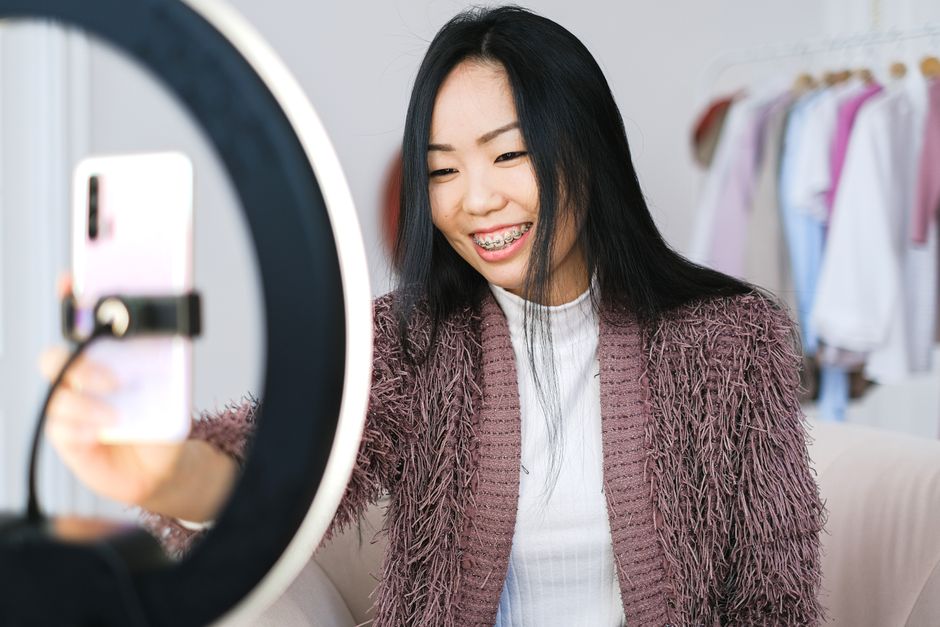
    Young woman using a smartphone and ring light for social media content indoors.

    What Makes an Affiliate Marketing Platform Work for Instagram Creators

    Instagram influencers need platforms that handle three core requirements: mobile-optimized link management, visual content tracking, and payment terms that don’t require waiting months for commissions.

    The best affiliate marketing platform for Instagram influencers includes branded short links that look clean in your bio and Stories. Generic affiliate URLs with long tracking codes reduce click-through rates by 15 to 20% compared to branded links, according to data from Bitly’s 2025 link engagement study. Your audience trusts “yourname.co/skincare” more than “affiliatenetwork.com/ref=12345xyz”.

    Mobile dashboards matter because you’re checking performance between content shoots, not sitting at a desktop. Platforms like Affiliate Aura provide real-time analytics accessible from your phone, showing which Stories and posts generate clicks within minutes, not days.

    Payment speed separates creator-focused platforms from traditional networks. Standard affiliate programs pay 30 to 90 days after a sale, which creates cash flow problems for full-time influencers. Look for platforms offering instant payouts when you hit milestone thresholds, typically starting at $50 to $100 in commissions.

    Key features to prioritize:

    • Branded short link creation for bio and Story links
    • Mobile app or responsive dashboard for on-the-go tracking
    • Real-time click and conversion data, not daily batch updates
    • Payment terms under 30 days or instant milestone payouts
    • Instagram-specific tracking that attributes sales to Stories vs. feed posts
    • Approval process under 48 hours for new merchant partnerships

    Platforms built for e-commerce partnerships, like modern influencer-focused networks, typically offer better terms than legacy affiliate networks that still operate on blogger-era assumptions.

    Person using smartphone with stock market charts while laptop displays data. Indoor setting.

    Matching Affiliate Programs to Your Instagram Niche and Audience

    Your conversion rate depends more on product-audience fit than follower count. A micro-influencer with 8,000 engaged fitness followers will outperform a 100,000-follower general lifestyle account when promoting workout supplements.

    Start by analyzing your top-performing content from the past 90 days. Which posts got saved most often? What questions appear repeatedly in your DMs? These patterns reveal what your audience actually wants to buy, not what you think they want.

    Commission structures vary significantly by niche. Fashion and beauty typically offer 5 to 15% commissions with 30-day cookie windows. Tech and software products pay 20 to 40% but have longer sales cycles. Home and lifestyle products fall in the 8 to 12% range with shorter cookie windows of 7 to 14 days.

    The cookie window matters more on Instagram than other platforms because your audience might see your Story, research the product later, then purchase days afterward. A 7-day cookie means you only get credit if they buy within a week of clicking your link.

    Instagram creators in focused niches (under 3 product categories) see conversion rates 2.3x higher than general lifestyle accounts promoting diverse products, according to Influencer Marketing Hub’s 2026 benchmark report.

    Match programs to your content format strengths. If you create detailed tutorial content, higher-priced products with better commission rates make sense because you’re providing substantial value. If you share quick recommendations and lifestyle content, lower-priced impulse purchases with shorter sales cycles convert better.

    Platforms like Affiliate Aura use AI matching to suggest merchant partnerships based on your niche, audience demographics, and content style, which cuts research time from hours to minutes when you’re evaluating new brand partnerships.

    Woman in a leather jacket holding a cup and chatting online at a cafe table.

    Where to Place Affiliate Links on Instagram (and What Actually Converts)

    Instagram limits clickable links to specific locations, which means your placement strategy directly impacts earnings. You have four primary options: bio link, Stories with link stickers, product tags in shopping posts, and direct messages.

    Your bio link is permanent real estate but only supports one URL without a link-in-bio tool. Most creators use services like Linktree or Beacons to create a landing page with multiple affiliate links. This adds an extra click, which reduces conversion by 30 to 40% compared to direct links, but it’s necessary for promoting multiple products.

    Stories with link stickers convert best for time-sensitive promotions and product launches. The swipe-up feature (now available to all accounts as link stickers) lets you add direct affiliate links. Stories have a 24-hour lifespan, so they work for flash sales and limited offers. Save high-performing Stories to Highlights organized by product category to extend their reach.

    Instagram Shopping tags let you tag products directly in feed posts and Reels if you’re approved for shopping features and the merchant uses Instagram’s commerce platform. This creates the smoothest user experience but requires the brand to have Instagram Shopping enabled, which limits your options.

    Effective placement strategy by content type:

    • Product reviews and tutorials: Story series with link stickers, saved to relevant Highlight
    • Lifestyle content featuring products: Bio link with branded short links, mention in caption
    • Reels and short-form video: Pin comment with link or direct viewers to bio
    • Carousel posts: Final slide with clear CTA directing to bio link
    • Behind-the-scenes content: Casual mentions with Story link for interested followers

    Test different placements for the same product over two weeks. Track which format drives more clicks using your platform’s analytics. Most creators find that Stories outperform bio links by 3:1 for click-through rate, but bio links generate more total revenue over time because they’re permanent.

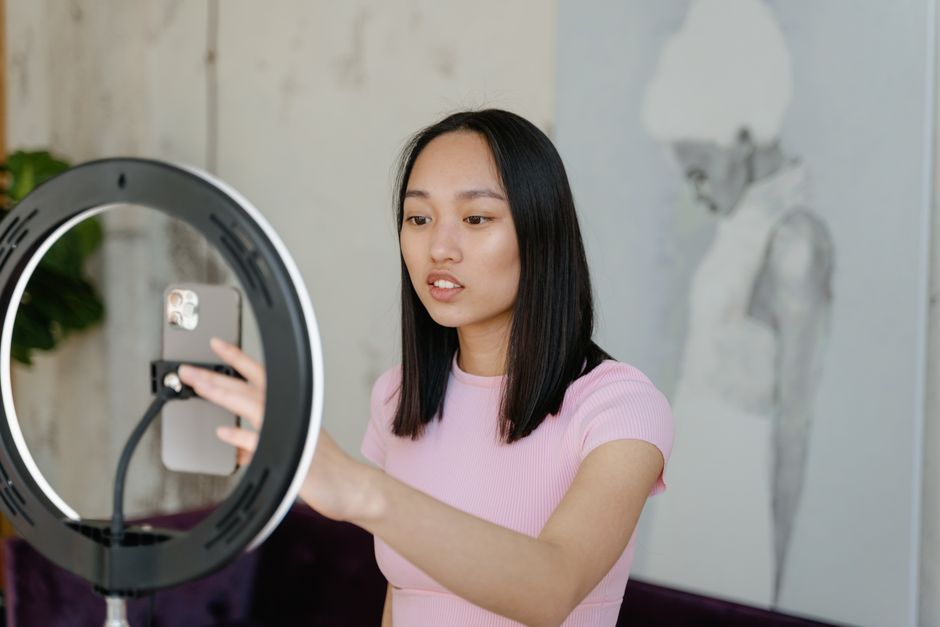
    Young woman recording a makeup tutorial with a ring light for her vlog.

    Setting Up Your First Affiliate Campaign as an Instagram Creator

    New Instagram affiliates should plan for a 7 to 14-day setup period before earning your first commission. This includes platform approval, link creation, and compliance setup.

    Start by choosing 2 to 3 affiliate programs maximum. Promoting too many products early dilutes your message and confuses your audience. Pick products you already use and can authentically recommend, then expand after you understand what converts.

    The application process varies by platform. Direct brand partnerships typically require a media kit with your demographics, engagement rate, and past collaboration examples. Affiliate networks like Affiliate Aura streamline this with profile-based matching, reducing approval time to 24 to 48 hours instead of weeks of back-and-forth emails.

    Step-by-step first campaign setup:

    • Create accounts on 1 to 2 creator-friendly platforms (start with networks offering instant approval for your follower tier)
    • Complete your profile with niche, audience demographics, and content examples
    • Apply to 3 to 5 relevant merchant programs (expect 60 to 80% approval rate for well-matched applications)
    • Generate branded short links for approved products using your platform’s link tools
    • Create a simple link-in-bio page or update your single bio link
    • Draft disclosure language that complies with FTC guidelines (required by law in the US)
    • Plan your first 3 pieces of content featuring the products (mix of Stories and feed posts)
    • Set up tracking to monitor which content drives clicks and conversions

    FTC compliance is non-negotiable. Use clear disclosures like “paid partnership” tags for sponsored content or “#ad” and “#affiliate” in captions when promoting affiliate products. Place disclosures before the “more” button in captions so they’re immediately visible. Failing to disclose can result in FTC fines starting at $43,792 per violation as of 2026.

    Most platforms provide disclosure templates, but you’re ultimately responsible for compliance. When using affiliate link management tools, set up automatic disclosure reminders for posts containing tracked links.

    Close-up image of various social media app icons on a smartphone screen.

    Tracking Performance and Understanding Your Instagram Affiliate Analytics

    Instagram creators need different metrics than traditional affiliates. Your dashboard should show which specific Stories, posts, or Reels drove conversions, not just total clicks and sales.

    The metrics that actually matter for Instagram affiliates are click-through rate by content type, conversion rate by product category, average order value, and revenue per post. Vanity metrics like total impressions matter less than understanding which content formats make your audience buy.

    A good affiliate marketing platform for Instagram influencers provides UTM-level tracking that distinguishes between bio link clicks, Story link clicks, and direct message link clicks. This granularity shows you where to focus your effort. If your Stories convert at 4% but bio link posts convert at 0.8%, you should prioritize Story content.

    Real-time tracking matters on Instagram because content lifespan is short. Stories disappear after 24 hours, and feed posts get most engagement in the first 4 to 6 hours. Platforms like Affiliate Aura show clicks and conversions as they happen, letting you boost high-performing content while it’s still active rather than discovering success days later when the opportunity has passed.

    Key analytics to review weekly:

    • Click-through rate by placement (Stories vs. bio vs. Reels)
    • Conversion rate by product type (which categories your audience actually buys)
    • Average time from click to purchase (shows if your audience impulse-buys or researches first)
    • Revenue per piece of content (identifies your most profitable content formats)
    • Commission per 1,000 followers (benchmark for growth tracking)

    Compare your performance against industry benchmarks. Instagram affiliate conversion rates typically range from 0.5% to 3% depending on niche and audience engagement. Fashion and beauty see higher conversion rates (2% to 4%) while tech and high-ticket items convert lower (0.3% to 1%) but with larger commission values.

    Use your platform’s real-time analytics dashboard to run weekly content audits. Identify your top 3 performing posts, analyze what they have in common, then replicate those elements in future content.

    A professional examines financial graphs on a laptop, indicating market trends.

    Getting Paid: Commission Structures and Payout Options for Instagram Affiliates

    Payment terms separate professional-grade platforms from networks that treat creators as an afterthought. Traditional affiliate networks hold your commissions for 30 to 90 days to account for returns and refund periods. This delay creates cash flow problems if you’re investing in content creation tools or paid promotion.

    Commission structures on Instagram-friendly platforms typically follow three models. Cost-per-sale (CPS) pays a percentage of each purchase, usually 5% to 30% depending on product category and profit margins. Cost-per-click (CPC) pays for traffic regardless of sales, typically $0.10 to $2.00 per click, but it’s rare for Instagram programs. Hybrid models combine a lower commission rate with bonuses for hitting monthly sales targets.

    The best platforms for creators offer tiered payout options. Standard payouts process monthly with 30-day holds. Priority payouts reduce the hold to 7 to 14 days for established affiliates. Instant payouts release commissions immediately when you hit minimum thresholds, typically $50 to $100, though some platforms charge a small processing fee of 2% to 3% for instant access.

    Minimum payout thresholds vary widely. Legacy networks often require $100 to $500 in commissions before processing payment, which can take months for new creators. Modern platforms like Affiliate Aura set minimums at $25 to $50, making it easier to see returns quickly and stay motivated.

    Payment method options matter for international creators. Standard options include direct deposit (ACH), PayPal, wire transfer, and digital payment platforms. Each has different fees and processing times. PayPal typically charges 2% to 3% but processes within 24 hours. Direct deposit is free but takes 3 to 5 business days. International wire transfers can cost $25 to $45 per transaction.

    Realistic earning expectations for Instagram affiliates:

    • Micro-influencers (5,000 to 20,000 followers): $200 to $1,000 per month with consistent promotion
    • Mid-tier creators (20,000 to 100,000 followers): $1,000 to $5,000 per month with strategic product selection
    • Macro-influencers (100,000+ followers): $5,000 to $25,000+ per month depending on niche and engagement

    These ranges assume 2% to 4% engagement rates and focused niche content. General lifestyle accounts typically earn 40% to 60% less than niche-specific creators with similar follower counts because their audience is less targeted.

    Platforms offering instant commission payouts help you reinvest earnings into content quality faster, creating a growth cycle that compounds over time.

    Comparing Top Affiliate Platforms for Instagram Creators in 2026

    Not all affiliate platforms work equally well for Instagram creators. The best options balance approval requirements, payment terms, and Instagram-specific features.

    Amazon Associates remains the largest program with millions of products, but it has significant drawbacks for Instagram creators. The cookie window is only 24 hours, commission rates dropped to 1% to 4.5% for most categories in 2025, and the platform wasn’t designed for social media promotion. You’ll earn less per sale compared to direct brand partnerships.

    ShareASale and CJ Affiliate (formerly Commission Junction) offer thousands of merchants but require more technical setup. Their tracking links are long and unattractive, and mobile dashboards lag behind creator-focused platforms. Approval can take 2 to 7 days per merchant, and minimum payouts sit at $50 to $100 with 30-day holds.

    LTK (formerly rewardStyle) caters specifically to fashion and lifestyle influencers with Instagram integration and shopping features. Commission rates are strong at 10% to 20%, but approval is selective, typically requiring 5,000+ engaged followers and consistent content quality. Payment terms are net-60, meaning you wait two months after a sale to receive commissions.

    Affiliate Aura differentiates itself with instant payout options when you hit milestone thresholds, AI-powered merchant matching, and mobile-first design. The platform connects Instagram creators directly with e-commerce merchants looking for affiliate partners, often resulting in better commission rates than going through intermediary networks. Approval typically processes within 24 to 48 hours.

    Platform comparison for Instagram creators:

    • Best for beginners: Affiliate Aura (fast approval, low minimums, instant payouts)
    • Best product selection: Amazon Associates (millions of products, but lowest commissions)
    • Best for fashion/beauty: LTK (high commissions, but selective approval and long payment delays)
    • Best for established creators: Direct brand partnerships (highest rates, but requires negotiation skills)
    • Best for diversification: Multiple platforms (spreads risk, but increases management complexity)

    Most successful Instagram affiliates use 2 to 3 platforms simultaneously. Start with one creator-friendly platform to learn the basics, then add specialized networks as you identify which product categories convert best for your audience. Managing multiple affiliate programs becomes easier with centralized link management tools that aggregate performance across platforms.

    Frequently Asked Questions

    How do Instagram influencers start affiliate marketing?

    Instagram influencers start affiliate marketing by joining an affiliate network or platform, applying to relevant merchant programs, and creating trackable links to promote products. The process takes 7 to 14 days from application to first campaign. Choose products that match your niche and audience interests, create authentic content featuring those products, and place affiliate links in your bio, Stories, or link-in-bio pages with proper FTC disclosures.

    What affiliate programs work best for Instagram influencers?

    The best affiliate programs for Instagram influencers depend on your niche and audience. Fashion and beauty creators succeed with LTK and Sephora’s program (10% to 20% commissions). Tech and lifestyle influencers perform well with Amazon Associates despite lower rates (1% to 4.5%) because of product variety. Fitness creators should consider supplement brands offering 15% to 25% commissions. Creator-focused platforms like Affiliate Aura work across niches with instant payouts and better approval rates for smaller accounts.

    How do you get affiliate links on Instagram?

    You get affiliate links on Instagram by first joining an affiliate program, then generating tracked links through the platform’s dashboard. Place these links in your bio (single link or link-in-bio tool), add them to Stories using link stickers, or use Instagram Shopping tags if the merchant supports it. Create branded short links to make URLs more trustworthy and trackable. Always include proper disclosures like hashtag ad or hashtag affiliate when posting promotional content.

    Is affiliate marketing allowed on Instagram?

    Yes, affiliate marketing is fully allowed on Instagram as long as you follow FTC disclosure guidelines and Instagram’s branded content policies. You must clearly disclose affiliate relationships using hashtags like #ad or #affiliate before the “more” button in captions, or use Instagram’s “Paid partnership” tag for sponsored content. Failure to disclose can result in FTC fines starting at $43,792 per violation. Instagram encourages creator monetization and provides specific tools like link stickers and Shopping tags for affiliate promotion.

    How much do Instagram influencers make from affiliate marketing?

    Instagram influencers typically earn $200 to $1,000 monthly with 5,000 to 20,000 followers, $1,000 to $5,000 monthly with 20,000 to 100,000 followers, and $5,000 to $25,000+ monthly with 100,000+ followers. Actual earnings depend on niche, engagement rate, and product selection more than follower count. Fashion and beauty niches typically earn more due to higher commission rates (10% to 20%) and impulse purchase behavior. These figures assume consistent promotion and 2% to 4% engagement rates.

    What is the best affiliate marketing platform for Instagram influencers in 2026?

    The best affiliate marketing platform for Instagram influencers in 2026 depends on your experience level and niche. Beginners benefit from Affiliate Aura with its instant payouts, fast approval (24 to 48 hours), and mobile-first dashboard. Fashion creators should consider LTK for higher commissions despite longer payment delays. Established influencers with diverse audiences often use multiple platforms, combining Amazon Associates for product variety with niche-specific networks for better commission rates. Look for platforms offering branded short links, real-time analytics, and payment terms under 30 days.

    Do you need a certain number of followers to join affiliate programs?

    Most affiliate programs don’t require a minimum follower count, but approval rates vary. Creator-focused platforms like Affiliate Aura accept accounts with 1,000+ engaged followers. Traditional networks like ShareASale and CJ Affiliate focus more on content quality than follower count. Selective programs like LTK typically require 5,000+ followers with strong engagement rates. Direct brand partnerships usually expect 10,000+ followers. Focus on engagement rate (2% to 4% is good) and niche relevance rather than just follower count when applying to programs.

    Ready to Get Started?

    Instagram affiliate marketing works best when you have the right platform supporting your content. You need tools that match how you actually create and share, not systems designed for bloggers a decade ago.

    Affiliate Aura gives Instagram creators instant payouts when you hit milestones, mobile-optimized analytics that show which Stories and posts drive sales, and AI-powered matching that connects you with merchants in your niche. The platform handles the technical complexity so you can focus on creating content your audience trusts.

    Your audience is already asking for product recommendations. Start earning from those recommendations with tracking that works, payments that arrive on time, and partnerships that make sense for your content. Create your free Affiliate Aura account and connect with your first merchant partners in under 48 hours.

  • How to Start Affiliate Marketing as an Influencer in 2026

    How to Start Affiliate Marketing as an Influencer in 2026

    You’ve built an audience that trusts your recommendations. Now you want to earn from that trust without burning it. Learning how to start affiliate marketing as an influencer lets you monetize your content by promoting products you already use. Most influencers waste months testing random programs with 60-day payout delays and zero support. In 2026, the right approach turns your existing content into steady income within 30 days. It starts with your next post.

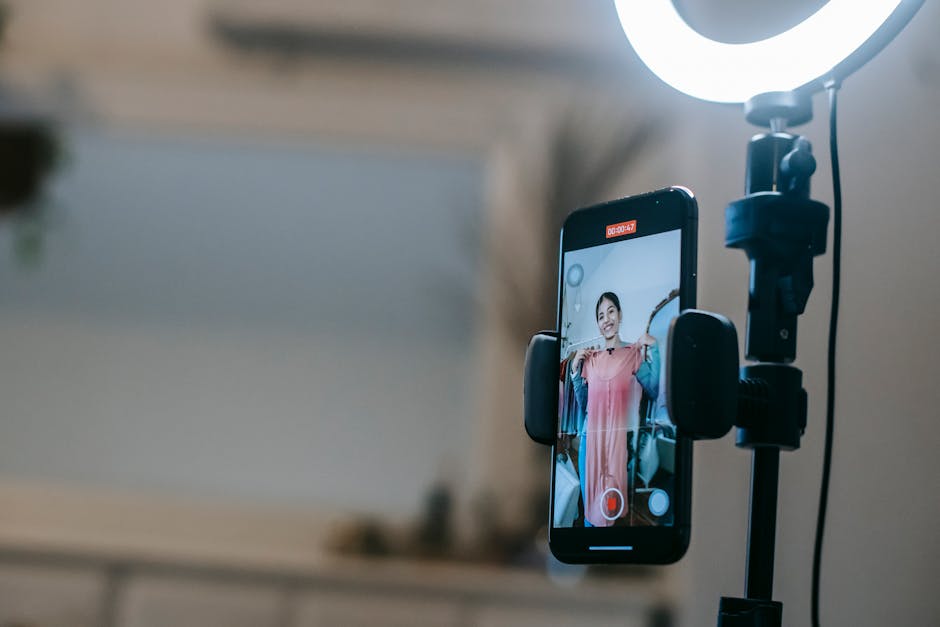
    Anonymous female blogger standing in room and shooting vlog on smartphone with ring lamp while demonstrating pink dress in hands

    Choose Your Niche Before You Pick Products

    Your niche determines which affiliate programs will accept you and how much you’ll earn per conversion. Brands pay 3x more for targeted audiences than generic followers. If you create fitness content for new moms, you’ll earn $40 per sale promoting postpartum workout gear. If you post random lifestyle content, you’ll earn $8 promoting the same product to a cold audience.

    Start by analyzing your last 20 posts. Which topics got the most saves, shares, and direct messages asking for links? That’s your monetizable niche. Ignore vanity metrics like likes. Focus on engagement that signals purchase intent: “Where did you buy that?” or “Does this actually work?”

    Three niche types that convert in 2026:

    • Problem-solution niches: skincare for acne, productivity tools for remote workers, budget travel for families
    • Aspirational lifestyle niches: minimalist home decor, sustainable fashion, fitness transformations
    • Skill-building niches: photography tutorials, cooking techniques, language learning

    Pick one. Brands want proof you can move their specific product category, not evidence you have a large audience. A creator with 8,000 engaged followers in a tight niche will out-earn someone with 80,000 scattered followers every time.

    Back view of anonymous ethnic female in suit working with chart on computer while sitting at table in outdoor cafe during remote work

    How to Start Affiliate Marketing as an Influencer: Find and Join Programs That Match Your Audience

    Most influencers join Amazon Associates first because it’s easy. That’s a mistake. Amazon pays 1-4% commissions and cookies last 24 hours. If your follower clicks your link on Monday but buys on Wednesday, you earn nothing. Direct brand programs pay 10-30% with 30-day cookies.

    Start with products you already use and mention in your content. Visit their website and scroll to the footer. Look for “Affiliate Program,” “Partners,” or “Influencers.” Apply directly. Mention your niche, audience size, and engagement rate. Include 2-3 posts where you organically featured similar products.

    Where to find programs beyond brand websites:

    • Affiliate networks: ShareASale, CJ Affiliate, and Impact host thousands of brands with instant approval for qualified creators
    • Platform-specific programs: LTK for fashion and beauty, Gumroad for digital products, ClickBank for info products
    • Direct outreach: Email brands in your niche that don’t advertise programs, they often create custom deals for the right influencer
    • Matchmaking platforms: Tools like Affiliate Aura connect influencers with e-commerce brands looking for creators in specific niches

    Apply to 5-10 programs in your first week. You’ll get rejected by half. That’s normal. Brands want proof you create content consistently and understand their customer. Once you’re approved, most programs give you a dashboard with trackable links, banners, and promotional assets.

    Laptop displaying Google Analytics in a modern workspace, highlighting digital analytics and technology.

    Create Content That Converts Without Feeling Like an Ad

    Your audience follows you for entertainment, education, or inspiration. They don’t follow you for product pitches. The best affiliate content solves a problem your audience already has, and the product is the solution. The worst affiliate content is you holding a product and saying “Use my link.”

    In 2026, three content formats consistently drive affiliate sales across platforms. Tutorial content shows your audience how to achieve a result, and the affiliate product is a tool in the process. Review content compares 3-5 options in a category and explains which one fits different use cases. Routine or “what I use” content showcases products integrated into your daily life.

    According to Influencer Marketing Hub’s 2026 Affiliate Benchmark Report, tutorial-style content converts 4.2x better than static product posts, with an average click-through rate of 8.3% compared to 1.9% for promotional posts.

    Content structure that drives clicks:

    • Hook with the problem in the first 3 seconds: “If your skin is dry by 2pm, you’re missing this step”
    • Show the before state, demonstrate the solution using the product, show the after result
    • Mention 1-2 alternatives you tried that didn’t work, builds credibility and shows you tested options
    • Include your affiliate link in the first comment, bio, or link-in-bio tool within 60 seconds of posting
    • Add a clear call-to-action: “Link in bio” or “Swipe up” or “Check the description”

    Create a content calendar that mixes 70% regular content with 30% affiliate content. If you post daily, that’s 2 affiliate posts per week. Your audience will tolerate monetization if you’re still delivering value the rest of the time.

    Close-up of a hand holding a smartphone and cigarette, browsing images.

    Use Trackable Links and Promo Codes Correctly

    Every affiliate program gives you a unique tracking link. When someone clicks your link and makes a purchase, the merchant’s system credits the sale to you. Break that link, and you don’t get paid. In 2026, most platforms still ban direct affiliate links in posts, so you need a strategy.

    Instagram and TikTok don’t allow clickable links in captions. You have three options: add your affiliate link to your bio and tell viewers to check there, use a link-in-bio tool like Linktree or Beacons to house multiple links, or use Stories and Reels with swipe-up links if you have 10,000+ followers. YouTube lets you add links directly in video descriptions, pin a comment with your link in the first 5 minutes after posting for maximum visibility.

    Promo codes work differently. The brand gives you a custom code like “YOURNAME10” for 10% off. Your audience enters it at checkout, and the system tracks conversions to you. Codes convert 20-30% lower than links because they require an extra step, but they work well on platforms where links are hard to access. Use codes for podcast mentions, live streams, and offline events.

    Link management best practices:

    • Shorten long affiliate links using branded short links that include your name, they look more trustworthy than bit.ly links
    • Test every link before you post, click it yourself and complete a test purchase to verify tracking works
    • Update expired links within 24 hours, dead links cost you 100% of potential earnings from that post
    • Track which links perform best using real-time analytics dashboards built into your affiliate platform

    If you’re promoting 10+ products across multiple programs, use a link management tool to organize everything in one place. Affiliate Aura offers link generation and tracking with performance analytics so you can see which products your audience actually buys.

    Asian woman recording a vlog indoors using a smartphone on a tripod.

    Promote Consistently Across Your Best-Performing Channels

    Posting one affiliate link and hoping for sales is like opening a store for one day and expecting a full-time income. Affiliate marketing compounds. Your first post might generate 5 clicks and 1 sale. Your tenth post on the same product generates 50 clicks and 8 sales because your audience has seen it multiple times and trusts your recommendation.

    In 2026, the average influencer needs 4-7 touchpoints before a follower clicks an affiliate link. That means mentioning the product across different content formats: a Reel showing you using it, a carousel post explaining features, a Story with a quick review, a long-form video with a tutorial. Each piece reinforces the others.

    Platform-specific promotion strategies:

    • Instagram: Post a Reel with the product in action, add a carousel post with before/after results 3 days later, share Stories with polls asking “Have you tried this yet?” to gauge interest
    • TikTok: Create a 15-second hook video showing the result, follow up with a 60-second tutorial video explaining the process, stitch or duet with other creators reviewing the same product
    • YouTube: Film a dedicated review video for high-ticket items over $100, include the product in larger “favorites” or “routine” videos for lower-priced items, add affiliate links to older videos that still get traffic
    • Pinterest: Design 3-5 pins per product with different headlines, link directly to your blog post or affiliate link, Pinterest drives 30% of affiliate traffic for lifestyle and home niches

    Track which platform drives the most conversions, not just clicks. You might get 1,000 clicks from TikTok but only 10 sales, while 200 clicks from YouTube generate 40 sales. Focus your effort where your audience actually buys.

    Laptop displaying cryptocurrency trading chart on a white desk.

    Understand FTC Disclosure Rules and Stay Compliant

    The FTC requires influencers to clearly disclose affiliate relationships. If you earn a commission from a link, you must tell your audience before they click. In 2026, enforcement is stricter. Brands are liable for influencer violations, so most programs now require proof of disclosure before approving you.

    The disclosure must be impossible to miss. “Ad,” “Sponsored,” or “Affiliate link” works. “#ad” in a sea of 20 hashtags doesn’t. On video content, say it out loud in the first 10 seconds: “This video contains affiliate links, which means I earn a small commission if you purchase.” On static posts, put the disclosure above the fold where viewers see it without clicking “more.”

    Platform-specific disclosure requirements:

    • Instagram: Add “Paid partnership with [Brand]” using the built-in tool, or write “affiliate links in bio” in the first line of your caption
    • TikTok: Use the “Paid partnership” label in settings, or overlay text saying “affiliate links in bio” in the first 3 seconds
    • YouTube: Check the “video contains paid promotion” box, and verbally disclose in the video intro and add a written disclosure in the description
    • Blog posts: Add a disclosure paragraph at the top of the post before any affiliate links appear

    Honest disclosure builds trust. 73% of consumers say they’re more likely to buy from an influencer who clearly labels affiliate content, according to a 2026 study by the Digital Marketing Institute. Your audience knows you need to earn money. They just want transparency.

    Track Performance and Double Down on What Works

    Most influencers check their affiliate dashboard once a month and wonder why earnings are flat. The creators earning $5,000+ monthly check their stats daily and adjust based on what the data shows. You need three metrics: click-through rate, conversion rate, and earnings per click.

    Click-through rate tells you if your content is compelling enough to make people click. If 1,000 people see your post and 50 click your link, that’s a 5% CTR. Anything above 3% is good. Below 1% means your call-to-action is weak or your audience doesn’t trust the recommendation. Conversion rate tells you if the right people are clicking. If 50 people click and 5 buy, that’s a 10% conversion rate. Above 5% is strong. Below 2% means you’re attracting the wrong audience or promoting the wrong product.

    Earnings per click is your most important metric. Divide total earnings by total clicks. If you earned $200 from 500 clicks, your EPC is $0.40. Track this per product and per platform. You’ll discover that one $100 skincare product with a 15% commission and 8% conversion rate earns you more than ten $20 products with 5% commissions and 2% conversion rates.

    What to do with your data:

    • Create more content around your top 3 earning products, these are proven winners with your audience
    • Drop products with sub-1% conversion rates after 30 days, they’re wasting your time and credibility
    • Test different content formats for mid-performing products, a tutorial might convert better than a review
    • Negotiate higher commissions with brands once you’ve driven 50+ sales, show them your numbers and ask for 5-10% more

    Platforms like Affiliate Aura provide real-time analytics so you can see which links are getting clicked and which products are converting while you’re still creating content. This lets you double down on winners within days, not weeks.

    Frequently Asked Questions

    How do I start affiliate marketing as an influencer?

    Start by choosing a specific niche based on your existing content and audience engagement, then apply to 5-10 affiliate programs that sell products in that niche. Create content that naturally features those products solving real problems, add your trackable affiliate links to your bio or video descriptions, and disclose the affiliate relationship clearly. Most influencers see their first commission within 2-4 weeks of consistent posting.

    Do influencers need a website for affiliate marketing?

    No, you don’t need a website to start earning affiliate commissions in 2026. Instagram, TikTok, and YouTube creators successfully promote affiliate links using link-in-bio tools, video descriptions, and Stories without maintaining a blog. However, a simple website or landing page can increase conversions by 20-40% because it gives you space for detailed reviews, comparison charts, and SEO traffic that works while you sleep.

    How much money can an influencer make from affiliate marketing?

    Influencer affiliate earnings range from $100 to $50,000+ per month depending on niche, audience size, and promotion consistency. A creator with 10,000 engaged followers in a high-value niche like finance or software typically earns $500-2,000 monthly. Fashion and beauty influencers with 50,000 followers average $2,000-8,000 monthly. The top 5% of affiliate influencers earn six figures annually by promoting high-ticket products with 20-30% commission rates.

    Which social media platform is best for affiliate marketing?

    YouTube drives the highest conversion rates for affiliate marketing, with an average of 4-6% compared to Instagram’s 2-3% and TikTok’s 1-2%, because long-form video builds more trust and allows detailed product explanations. However, Instagram works best for fashion and beauty products, TikTok excels for impulse purchases under $50, and Pinterest outperforms all platforms for home decor and DIY niches. Choose based on where your specific audience already engages with your content.

    How do influencers get affiliate links?

    Influencers get affiliate links by applying directly to brand affiliate programs through the company website, joining affiliate networks like ShareASale or CJ Affiliate that host multiple brands, or using matchmaking platforms like Affiliate Aura that connect creators with relevant merchants. Once approved, you receive a unique tracking link or promo code through the program dashboard. Most programs approve qualified influencers within 1-3 business days.

    Can you start affiliate marketing with a small following?

    Yes, you can start affiliate marketing with as few as 500-1,000 engaged followers if you have a clear niche and strong engagement rate. Many affiliate programs focus on conversion potential rather than follower count. Micro-influencers with 1,000-10,000 followers often have 5-8% engagement rates compared to 1-2% for larger accounts, making them more valuable to brands. Start with programs that don’t have minimum follower requirements, prove your conversion ability, then apply to premium programs.

    How long does it take to make money from affiliate marketing as an influencer?

    Most influencers earn their first affiliate commission within 2-4 weeks of consistent promotion, but building a sustainable income of $1,000+ per month typically takes 3-6 months. The timeline depends on your posting frequency, audience size, and niche competitiveness. Influencers who post 4-5 times per week with clear calls-to-action see results faster than those who post sporadically. Traditional affiliate programs pay 30-60 days after the sale, while instant payout platforms like Affiliate Aura pay once you hit milestone thresholds.

    Ready to Get Started?

    You now have the complete framework to turn your influence into affiliate income. The difference between influencers who earn $100 per month and those who earn $10,000+ comes down to three things: picking a tight niche, promoting consistently across multiple touchpoints, and tracking what actually converts.

    The biggest mistake is waiting until you have a massive following. Start now with your current audience. Test 3-5 products over the next 30 days. Track your click-through rates and conversion rates. Double down on what works and cut what doesn’t.

    If you want to skip the hassle of managing links across multiple programs, Affiliate Aura connects you with e-commerce brands looking for influencers in your niche. You get instant access to trackable links, real-time performance analytics, and faster payouts once you hit milestones. No more waiting 60 days to see if your promotion worked.

    Your audience is already asking where to buy the products you use. Give them the link and start earning from the recommendations you’re already making.